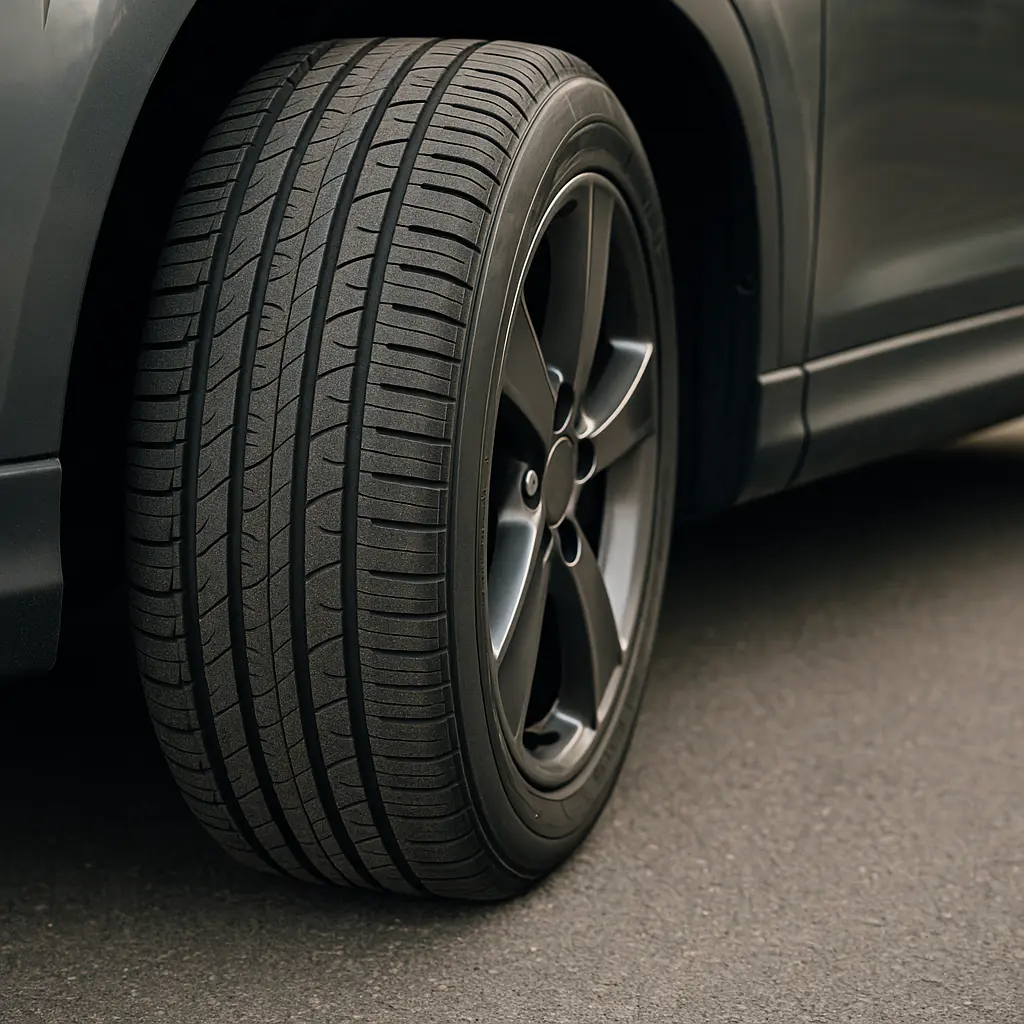
Tyres are the unsung heroes of every vehicle. They connect your car to the road, influence safety, handling, and fuel efficiency, yet most drivers rarely think about them until something goes wrong. One of the most common questions Australian drivers ask is: how long do car tyres last?
The truth is, tyre lifespan depends on a variety of factors – from driving habits and road conditions to tyre quality, vehicle type, and maintenance routines. Unlike some car parts with clear replacement schedules, tyres are subject to wear, age, and unpredictable variables that make their lifespan less straightforward.
This guide explains everything you need to know about tyre longevity, including average lifespan, when to replace, how to extend their life, and the unique considerations for Australian conditions.

What Determines Tyre Lifespan?
Several factors impact how long your tyres will last before they need replacing:
Driving Style
Aggressive acceleration, harsh braking, and sharp cornering wear tyres faster. Smooth, consistent driving extends their life.
Road Conditions in Australia
Australian roads vary widely – from smooth highways to gravel country lanes. Driving on rough or unsealed roads accelerates tyre wear. City driving with constant stop-start traffic also shortens tyre life compared to highway cruising.
Tyre Quality and Type
Premium tyres often last longer than budget alternatives. All-season, summer, or performance tyres each wear differently, while off-road tyres are built for durability but may sacrifice longevity on tarmac.
Climate and Weather
Australia’s climate is tough on tyres. High UV exposure causes rubber to harden and crack, particularly in hotter states like Queensland and WA. Cold climates can slow wear but may impact grip.
Vehicle Weight and Load
Heavier cars, SUVs, and utes put more stress on tyres, especially when carrying heavy loads or towing. This extra pressure accelerates tread wear.
Maintenance Habits
Regularly checking tyre pressure, wheel alignment, and rotation has a massive effect on lifespan. Poorly maintained tyres wear unevenly and need replacing sooner.
How Long Do Car Tyres Last on Average?
There isn’t a one-size-fits-all answer, but we can break it down:
- By Time: Most tyres last between 5–7 years before rubber degradation makes them unsafe, even if the tread looks fine. Manufacturers often recommend replacement after 6 years, with a maximum of 10 years from the manufacturing date.
- By Mileage: Average passenger car tyres last 40,000–80,000 km, depending on use and quality. Performance tyres may wear out in as little as 20,000 km, while touring tyres on family cars often last longer.
- Australian Context: With mixed conditions, most Aussie drivers find they need replacement around the 50,000 km mark, or roughly every 3–5 years for regular commuters.
Signs Your Tyres Need Replacing
Even if you haven’t reached the time or mileage limit, your tyres may still need changing. Warning signs include:
Low Tread Depth
Australian law requires a minimum tread depth of 1.5mm. However, grip and braking performance decline well before that. Experts recommend replacement at 3mm for safety, especially in wet conditions.
Uneven Wear
If one side of the tyre is worn more than the other, it often signals alignment or suspension issues. Such tyres won’t last long and can affect handling.
Cracks and Dry Rot
Exposure to UV rays and heat can cause cracks in the rubber. This weakens tyre structure, increasing the risk of blowouts.
Bulges or Blisters
A bulge indicates internal damage, usually from hitting a pothole or kerb. Such tyres are unsafe and need immediate replacement.
Increased Road Noise or Vibration
If your car feels different to drive, with more vibration or noise, worn tyres could be the cause.
The Tyre Age Factor: Why Old Tyres Are Unsafe
Many drivers assume if tread is still visible, tyres are fine. But rubber ages regardless of use. Tyres sitting unused in a garage degrade faster than those driven regularly.
Check the DOT code on your tyre’s sidewall – it reveals the week and year of manufacture. For example, “3520” means the tyre was made in the 35th week of 2020.
If your tyres are more than 6 years old, even with plenty of tread, they may no longer be safe.
How to Extend Your Tyre Lifespan
Good maintenance can add thousands of extra kilometres to your tyres:
Keep Tyres Properly Inflated
Under-inflated tyres increase rolling resistance, wear edges faster, and waste fuel. Over-inflated tyres wear in the middle. Check pressures monthly and before long trips.
Regular Rotation
Rotating tyres every 10,000 km ensures even wear, especially for front-wheel-drive cars where front tyres wear quicker.
Maintain Wheel Alignment
Hitting potholes, speed bumps, or kerbs can throw your alignment out, causing uneven wear. Regular checks are essential.
Balance Your Tyres
Unbalanced tyres lead to vibration and irregular wear. Balancing should be done with new tyres and checked during rotations.
Drive Smoothly
Avoid unnecessary hard acceleration and braking to reduce stress on your tyres.
Store Tyres Properly
If you use seasonal tyres (summer/winter), store them in a cool, dry place away from direct sunlight.
Tyre Replacement in Australia: What to Know
When it’s time for new tyres, here are key factors Australian drivers should consider:
Choosing the Right Tyres
- Daily Commuters: Look for comfort, longevity, and fuel efficiency.
- Performance Drivers: Prioritise grip and handling, but expect shorter lifespan.
- SUVs & Utes: Durability, off-road capability, and load rating matter most.
- Electric Vehicles: EVs need tyres that handle extra weight and instant torque.
Legal Requirements
In Australia, tyres must have at least 1.5mm tread depth, be free from damage, and match the correct load and speed ratings for your vehicle.
Replacement Costs
The cost varies widely – from $100–$150 per tyre for budget options, to $300–$500+ for premium or performance tyres. Larger SUV tyres and EV-specific tyres are usually more expensive.
Tyre Recycling
Australia has growing initiatives for tyre recycling. When you replace tyres, ensure your old ones are disposed of responsibly through accredited recycling programs.
How Tyres Affect Fuel Efficiency and Safety
Your tyres directly impact more than just grip. Worn or poorly maintained tyres can:
- Increase Fuel Consumption: Under-inflated tyres can raise fuel use by up to 5%.
- Reduce Braking Distance: Bald tyres take much longer to stop, especially in wet conditions.
- Impact Handling: Tyres in poor condition reduce stability, cornering ability, and steering response.
- Increase Blowout Risk: Ageing or damaged tyres are more likely to fail at high speeds.
Seasonal and Regional Considerations in Australia
Australia doesn’t require winter tyres like Europe, but conditions vary:
- Northern Australia: Heat accelerates rubber degradation, making regular inspections vital.
- Southern States: Cooler climates extend tyre life, but wet roads demand good tread.
- Outback Driving: Off-road or gravel trips demand tougher all-terrain tyres with higher load ratings.
Myths About Tyre Lifespan
Myth: Tyres Last Until They’re Bald
Reality: Tyres degrade with age, even with visible tread.
Myth: Premium Tyres Never Wear Out
Reality: While they often last longer, all tyres eventually require replacement.
Myth: You Only Need to Replace One Tyre at a Time
Reality: Replacing tyres in pairs (or all four) ensures balance, safety, and even wear.
Final Thoughts
Your tyres are the most important safety component on your car. They influence how quickly you stop, how efficiently you use fuel, and how confidently you drive. In Australia’s diverse conditions – from city streets to outback tracks – understanding tyre lifespan is essential for both safety and savings.
On average, expect to replace your tyres every 40,000–80,000 km, or every 3–5 years, whichever comes first. Regular inspections, good maintenance, and choosing the right tyres for your needs will help you get the most value from every set.
When in doubt, consult a trusted tyre shop or mechanic. After all, tyres are the only thing between your car and the road – and they deserve as much attention as your engine or brakes.

Leave a comment
Your email address will not be published. Required fields are marked *