

Car registration (often called “rego” in Australia) is an essential legal requirement that ensures your vehicle is authorised for road use. Without it, you can’t legally drive on public roads, and you risk facing heavy fines or even impoundment. Whether you drive a compact hatchback, a family SUV, or a work ute, keeping your registration current protects you, your vehicle, and other road users.
This comprehensive guide walks you through everything you need to know about renewing car registration in Australia, including how to do it online, how much it costs, what’s required by each state, and the most efficient ways to stay compliant without spending more than necessary.
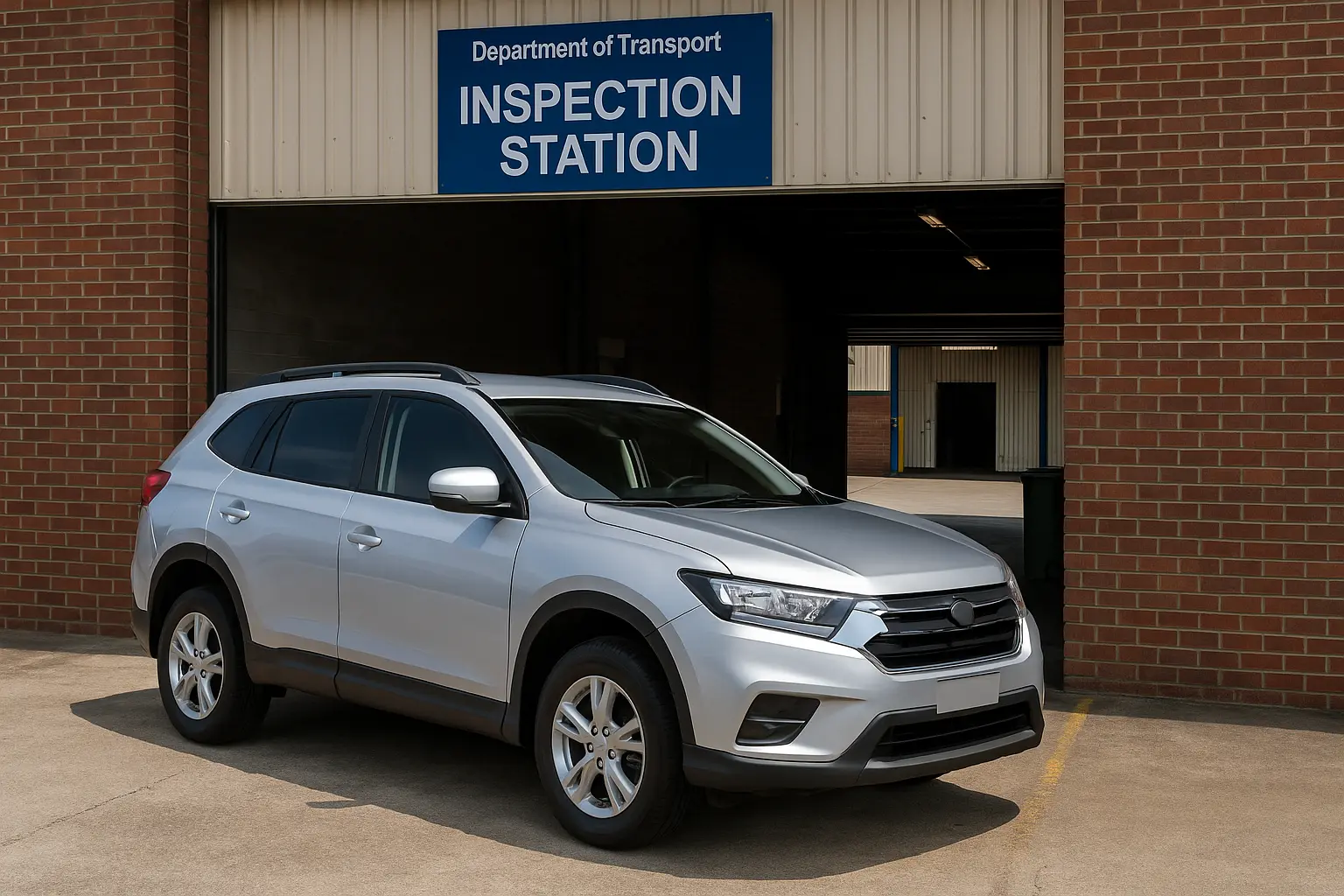
Understanding Car Registration in Australia
Car registration is more than just a bureaucratic process—it ensures that vehicles on Australian roads meet safety, insurance, and environmental standards. Registration links your car to your personal details in your state or territory’s transport system. It confirms that your vehicle:
- Meets road safety and emissions standards.
- Is insured for third-party bodily injury.
- Can be tracked and identified for compliance or enforcement.
Each state or territory manages registration separately, meaning renewal costs, periods, and procedures vary slightly depending on where you live.
Why You Must Renew Registration on Time
Driving with expired registration is illegal across all Australian states. Failing to renew on time can lead to:
- On-the-spot fines or penalties (ranging from $700 to $2000 in some states).
- Loss of CTP (Compulsory Third Party) insurance coverage, meaning you could be personally liable in an accident.
- Vehicle impoundment if caught repeatedly driving unregistered.
Most states send reminders by email or post, but it’s ultimately your responsibility to renew before your rego expires.
How to Renew Car Registration Online
Online renewal is the fastest and easiest way to keep your rego up to date. Each state offers a dedicated online portal for vehicle registration renewal.
Here’s what you generally need before you log in:
- Your vehicle registration number
- A renewal notice or billing number
- Access to online payment (credit/debit card or BPAY)
- A valid safety inspection certificate (if required)
After completing payment, you’ll receive confirmation instantly, and your digital registration record is updated in the state’s system.
Some states also provide digital rego certificates and vehicle registration status checks online—so you can verify your vehicle’s status anytime.
State-by-State Registration Renewal Guide
Because Australia’s states and territories manage their own transport departments, renewal costs and requirements differ slightly. Here’s a breakdown:
New South Wales (NSW)
Authority: Service NSW
You can renew your registration online using the Service NSW portal. Before doing so, make sure your eSafety Check (pink slip) is valid and your CTP insurance is active.
Typical Costs:
- Light vehicle: $65–$70 base fee + CTP + motor tax (varies by vehicle weight)
- Renewal periods: 6 or 12 months
Late Penalty: You must renew within three months of expiry; otherwise, you’ll need to re-register.
Victoria (VIC)
Authority: VicRoads
VicRoads offers flexible renewal options including monthly, quarterly, or annual payments through their myVicRoads account.
Typical Costs:
- Light vehicle: $60–$70 base + insurance levy and TAC charge
- Renewal periods: 1, 3, 6, or 12 months
Pro Tip: Opting for a 12-month period often works out cheaper overall.
Queensland (QLD)
Authority: Department of Transport and Main Roads (TMR)
Renewals can be done online, via the TMR app, or at any customer service centre.
Typical Costs:
- 4-cylinder car: around $380 for 12 months
- 6-cylinder car: around $560 for 12 months
You can choose between 1, 6, or 12-month renewals. Make sure your compulsory CTP insurance is linked to your rego.
South Australia (SA)
Authority: Service SA
Renew online using EzyReg. South Australia offers flexible payment options and reminders via SMS.
Typical Costs:
- Around $280–$400 annually for standard passenger cars
Unique Feature: SA allows direct debit setup for automatic renewal, so you’ll never miss a due date.
Western Australia (WA)
Authority: Department of Transport (DoT WA)
You can renew online through the DoTDirect portal. If your rego is more than three months overdue, you’ll need to reapply from scratch.
Typical Costs:
- About $380 for most passenger cars per year
Tip: Set up DoTDirect email reminders to avoid missing renewals.
Tasmania (TAS)
Authority: Transport Tasmania
Renew online through the Service Tasmania portal. No safety inspection is required unless the car changes ownership.
Typical Costs:
- Around $290–$350 per year for small passenger vehicles
Tasmania also allows quarterly or six-month renewals for added flexibility.
Australian Capital Territory (ACT)
Authority: Access Canberra
ACT allows online renewals and reminders via email or SMS. CTP insurance must be current before renewing.
Typical Costs:
- Around $600–$700 per year including CTP insurance
Note: Renewal periods are 3, 6, or 12 months.
Northern Territory (NT)
Authority: MVR (Motor Vehicle Registry)
Renew online or in person. Inspection requirements vary based on vehicle age.
Typical Costs:
- Around $500 per year for a standard car including third-party insurance
Documents Required for Renewal
Before renewing, make sure you have:
- Registration renewal notice or vehicle details
- Valid CTP insurance certificate
- eSafety or inspection report (if applicable)
- Driver licence or proof of identity
- Payment method (credit/debit card or BPAY)
These are typically verified automatically during online renewal, making the process seamless.
How to Check Your Registration Status
You can check your car’s registration status anytime through your state’s transport website. You’ll usually need your number plate and state of registration. This check shows whether your car is currently registered, the expiry date, and whether your CTP insurance is active.
It’s useful before long trips or when buying/selling a used car.
Cost Breakdown: What You’re Paying For
Your registration renewal isn’t just a flat fee—it includes several components:
- Base registration fee: Administrative cost to register your vehicle.
- CTP insurance: Covers personal injury to others in an accident.
- Motor vehicle tax: Based on engine size, weight, or vehicle type.
- Inspection fees: Required for certain states or vehicle categories.
Together, these determine your total cost.
Renewing Registration for Company or Fleet Vehicles
If you manage multiple vehicles, most states offer fleet registration management systems. These allow bulk renewals, consolidated billing, and easy tracking for business vehicles. It’s crucial to ensure no vehicle in your fleet becomes unregistered, as this can void insurance during business operations.
What Happens If You Miss the Renewal Deadline
If your rego expires, you’re not allowed to drive or even park the car on public roads. In most states:
- You get a grace period (up to three months in NSW and WA).
- After that, your car must be re-registered, which involves inspections and new paperwork.
- You may lose your plates if the lapse exceeds six months.
Always renew on or before the due date to avoid unnecessary expenses or downtime.
How to Save on Registration Renewal
Here are a few practical tips to reduce your rego costs:
- Choose shorter renewal periods if you’re planning to sell your vehicle soon.
- Register for digital notices to avoid missing deadlines.
- Keep your vehicle efficient—lighter cars and smaller engines often pay lower motor taxes.
- Bundle payments with insurance for potential discounts.
- Claim business use deductions if the car is used for work.
Understanding Digital Registration Certificates
Paper rego labels were phased out years ago in most states. Now, your registration details are stored digitally and linked to your licence plate. Police and authorities can instantly verify if your rego is active through the national database.
This also means you no longer need to display physical stickers on your windscreen, reducing clutter and paperwork.
Renewing Registration for Interstate Moves
If you’ve moved to another state, you’ll need to re-register your car in that jurisdiction. This usually requires:
- Proof of identity and address
- Vehicle inspection or roadworthy certificate
- Existing registration papers
- Payment of new registration and insurance
Most states require this within 14 days of moving, so plan accordingly to avoid fines.
Frequently Asked Questions
Can I renew my registration early?
Yes. You can usually renew up to three months before expiry without losing remaining validity.
Can I drive if my rego expired yesterday?
No. Even a day’s lapse means your vehicle is unregistered and uninsured.
Do I need a pink slip every year?
In NSW, yes—for vehicles over five years old. In other states, only when transferring ownership.
Can I pay my rego in instalments?
Yes, most states offer monthly, quarterly, or six-month payment options.
Is there a difference between CTP and registration?
Yes. CTP is an insurance component; registration is the legal permission to drive the car.
Final Thoughts
Renewing your car registration in Australia is straightforward when you understand the process. By setting reminders, using online renewal tools, and keeping your vehicle insured and roadworthy, you’ll avoid fines and maintain peace of mind.
As road safety and digital systems continue to improve, renewing your rego online has never been easier. Whether you’re in Sydney, Melbourne, Brisbane, or Perth, make it a habit to check your renewal status regularly—and stay road-legal all year round.

Leave a comment
Your email address will not be published. Required fields are marked *