The Mitsubishi ASX has long been one of Australia’s most recognisable compact SUVs. Known for its practicality, reliability, and affordable entry point, the ASX has become a familiar sight on Aussie roads. But in an era where small SUVs are becoming smarter, more connected, and increasingly hybrid-friendly, can the ASX still compete?
This in-depth review covers every angle — pricing, design, performance, interior quality, safety, and ownership experience — to help Australian buyers decide if this updated small SUV is worth their attention.
Mitsubishi ASX Overview
The ASX sits in the small SUV category, between a hatchback and a full-sized SUV. It’s a sweet spot for city drivers who want the elevated driving position and practicality of an SUV but don’t need the size (or running costs) of a large family model.
In 2025, Mitsubishi refined the ASX lineup to offer stronger performance, improved tech, and a refreshed cabin. It still prioritises comfort and practicality over sportiness, but now feels far more up-to-date inside and out.
Price & Variants in Australia
Pricing for the Mitsubishi ASX in Australia starts around $37,000 – $38,000 before on-road costs for the base model, and extends to about $46,000 – $47,000 for the top-spec Exceed variant.
Across the range, buyers typically get a choice between the LS, Aspire, and Exceed trims. The key differences lie in tech inclusions, upholstery materials, and safety assistance systems.
Even the entry-level model now comes equipped with LED headlights, alloy wheels, smartphone connectivity, and multiple airbags. As you move up the trims, you’ll find luxury-style features such as larger infotainment displays, wireless charging, and digital driver displays.
Design & Exterior Styling
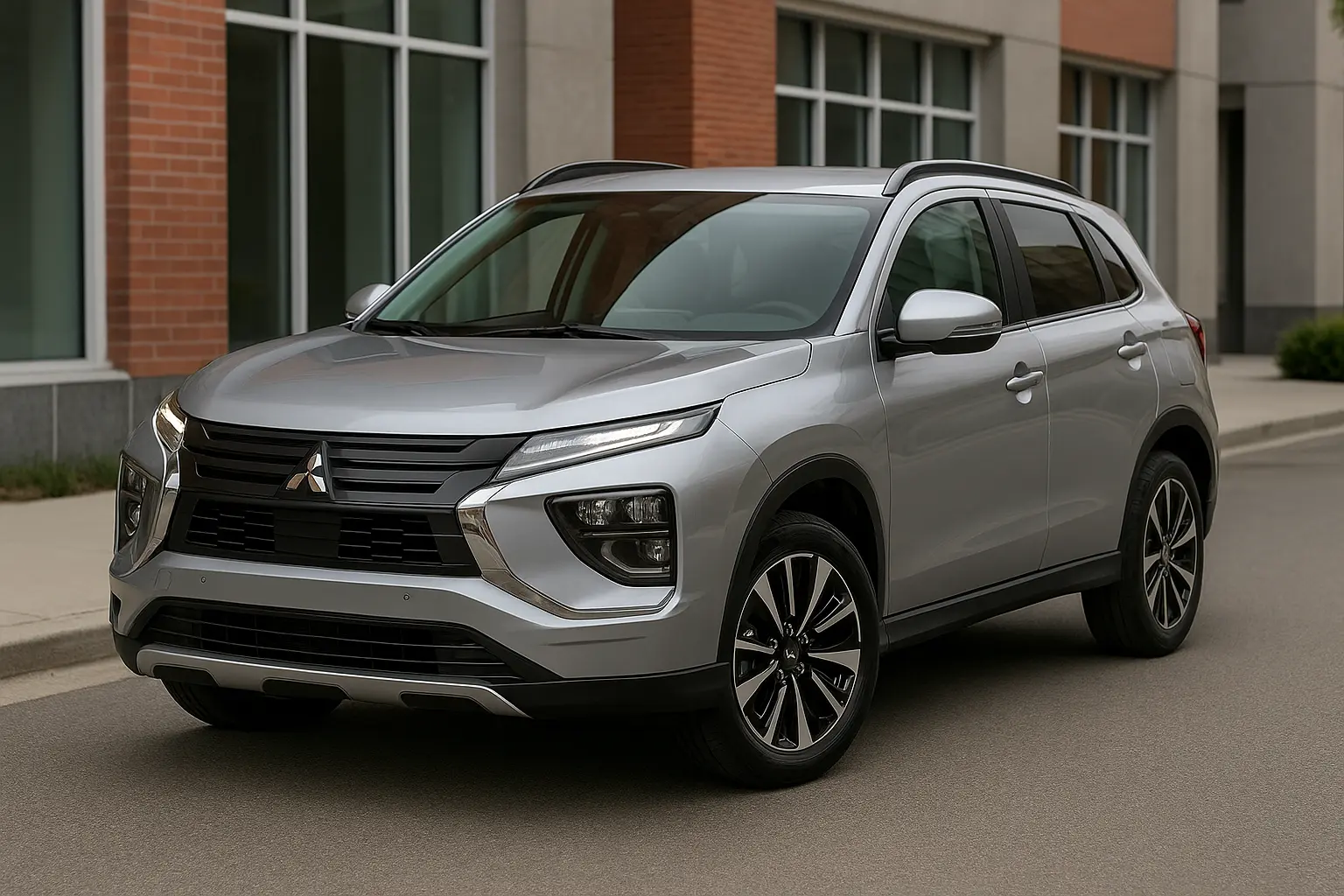
The ASX’s design has evolved considerably. It now wears a sharper, more modern interpretation of Mitsubishi’s Dynamic Shield front-end styling, with a broad grille and slimmer LED daytime running lights.
The proportions are compact — ideal for city living — with short overhangs and a wide stance that gives it a solid, planted feel. From the side, strong character lines and black-clad wheel arches add to its SUV appeal without making it look bulky.
The rear design features new taillights and a tidier tailgate layout. It’s a clean, practical design language that fits well in Australian urban environments, from tight parking lots to coastal drives.
Dimensions
- Length: Approx. 4,240 mm
- Width: 1,800 mm
- Height: 1,580 mm
- Wheelbase: 2,640 mm
Those figures make it one of the more compact SUVs on the market — perfect for narrow city streets — yet its wheelbase and clever interior layout allow for excellent space utilisation inside.
Engine & Performance
Under the bonnet, the current Mitsubishi ASX offers a 1.3-litre turbocharged petrol engine, delivering around 113 kW and 270 Nm of torque. Power is sent to the front wheels through a 7-speed dual-clutch automatic transmission.
This setup replaces the old 2.0-litre naturally aspirated engine found in previous generations, and it’s a welcome change. The turbo engine feels more responsive, particularly at low speeds and during overtaking.
In city driving, the ASX feels smooth and confident, while the dual-clutch gearbox shifts quickly and cleanly. On open highways, it cruises comfortably, maintaining low revs and keeping noise levels subdued.
While the ASX isn’t designed for sporty driving, its balance between refinement and everyday usability will appeal to most Australian buyers.
Fuel Efficiency
Fuel economy for the 1.3-litre turbo is quoted around 6.4 L/100 km, depending on driving conditions and variant. In real-world use, most owners can expect something closer to 7.0 L/100 km in mixed conditions — still competitive for a small petrol SUV.
Those prioritising ultimate efficiency might prefer hybrid rivals, but the ASX’s efficient turbo setup and light weight make it a practical, affordable option for everyday use.
Driving Experience
On the road, the ASX strikes a middle ground between comfort and agility. The steering is light in town and firms up slightly on highways, giving a predictable, stable feel.
Its suspension setup is tuned more for comfort than corner carving, meaning it soaks up potholes and road imperfections well — a real benefit on uneven Australian roads.
Noise insulation has improved too. At highway speeds, the cabin remains quiet, with minimal tyre or wind noise. Drivers will appreciate how easy the ASX is to manoeuvre in tight spaces, thanks to its compact dimensions and light steering feel.
For weekend getaways or longer drives, the ASX maintains a stable, reassuring ride. It’s not overly firm or floaty — just composed and easygoing.
Interior & Cabin Design
Inside, Mitsubishi has brought the ASX firmly into the modern era.
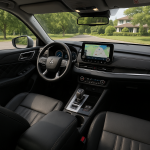
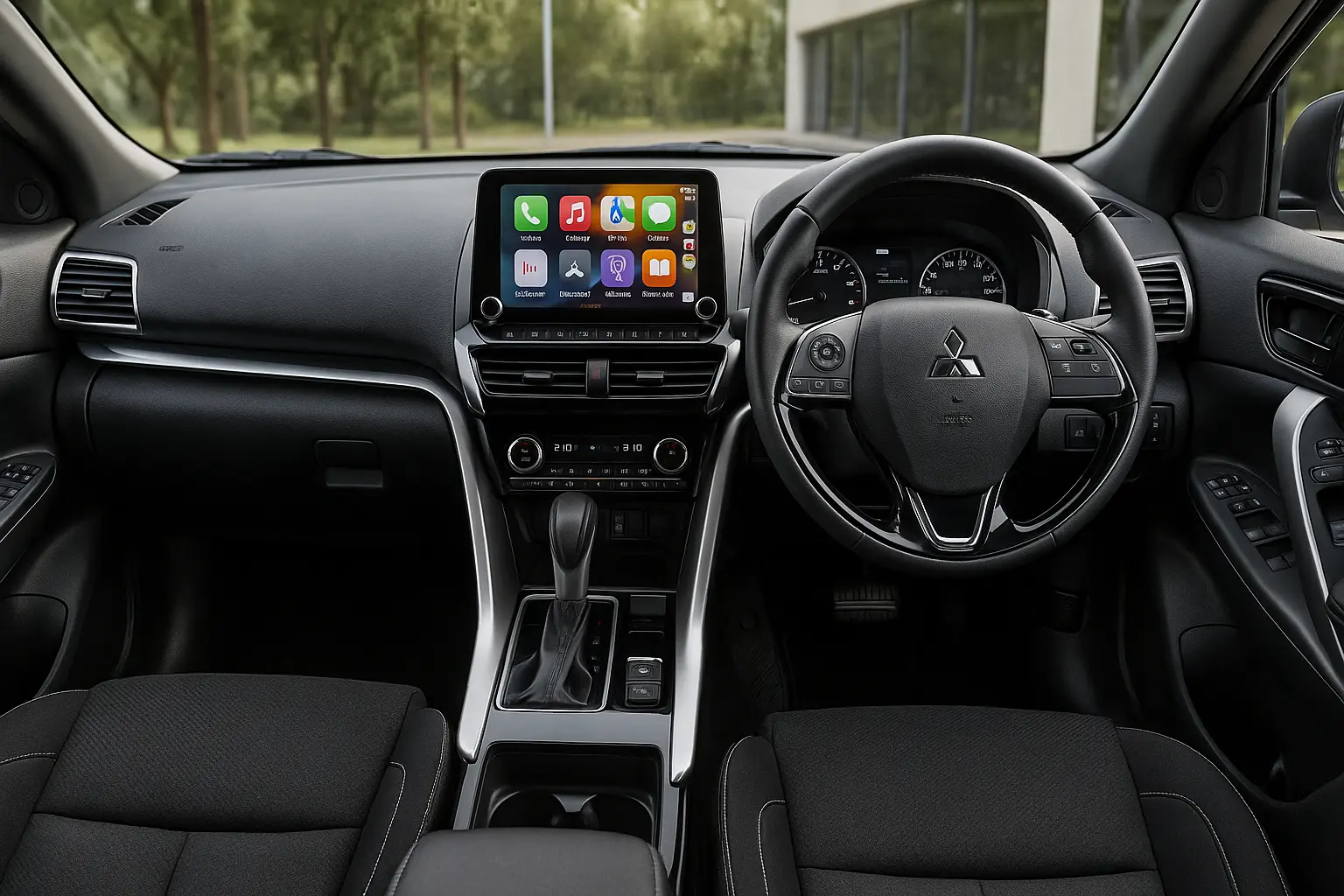
The dashboard layout is simple yet stylish, featuring a floating-style infotainment screen, intuitive climate controls, and a soft-touch upper dash that enhances perceived quality.
Higher trims feature a large digital display cluster, ambient lighting, and premium upholstery with contrast stitching. Seats are supportive and ergonomically shaped for long drives, offering plenty of headroom and legroom for both front and rear passengers.
Small storage areas throughout the cabin — including deep door pockets, cup holders, and a practical centre console bin — make it easy to stay organised.
Technology & Infotainment
Tech-savvy buyers will appreciate the upgrade in infotainment. Depending on the trim, you’ll find a 10-inch central touchscreen with built-in navigation, smartphone mirroring via Apple CarPlay and Android Auto, and even Google Built-In functionality on higher models.
Wireless charging pads, USB-C ports, and high-resolution reversing cameras are now standard on many trims. The sound system, particularly on the top-spec Exceed, is richer and clearer than before.
Voice commands work reliably, and physical shortcut buttons remain — making it easier to adjust key functions without diving through menus. It’s a user-friendly setup that blends old-school practicality with modern connectivity.
Practicality & Space
Despite being classed as a small SUV, the ASX offers generous space for its footprint.
- Boot capacity: Approx. 480 litres with seats up
- Rear seats folded: Around 1,590 litres
That’s enough for luggage, strollers, or bulky grocery runs. The rear seats split 60:40 and fold flat, creating a flexible load area.
Rear passenger space is comfortable for adults under six feet tall. The rear bench is slightly raised to improve outward visibility, and wide door openings make access easy — a big plus for parents fitting child seats.
Safety & Driver Assistance
Safety has taken a big leap in the new ASX. It includes Mitsubishi’s latest suite of driver-assistance technologies, such as:
- Forward Collision Mitigation (autonomous emergency braking)
- Lane Departure Warning
- Blind Spot Monitoring
- Rear Cross-Traffic Alert
- Driver Attention Alert
- Adaptive Cruise Control (in higher trims)
- 360-degree camera (Exceed variant)
There are multiple airbags, ISOFIX mounting points for child seats, and high-strength safety cell construction.
While official local crash-test ratings for the newest version are pending, previous ASX models have earned solid reputations for occupant safety.
Comfort & Ride Quality
Mitsubishi focused heavily on comfort when developing this generation.
Ride quality is supple, even over rough tarmac, and the suspension absorbs most road irregularities without sending harsh jolts through the cabin. The seats provide strong lumbar support, and climate control keeps the interior consistently comfortable across temperature extremes.
On longer journeys, the cabin remains composed. Whether it’s a city commute or a weekend road trip, the ASX feels refined, easy to drive, and fatigue-free.
Fuel Type & Efficiency in Real Life
The 1.3-litre turbo uses unleaded petrol, and its efficiency depends largely on driving style and traffic. City commuters can expect mid-7s per 100 km, while highway cruising often returns figures in the low 6s.
Mitsubishi’s automatic stop-start technology and lightweight engineering play a big part in keeping fuel costs low, especially for urban drivers facing frequent stop-and-go traffic.
Ownership Costs & Warranty
One of Mitsubishi’s standout advantages in Australia is its 10-year/200,000 km warranty, provided you service the vehicle on schedule within the Mitsubishi network. This is one of the best warranties available across the industry.
Service intervals are every 15,000 km or 12 months, and Mitsubishi’s capped-price servicing program offers predictable running costs.
The ASX’s reputation for reliability, combined with this long warranty, makes it one of the most reassuring choices for long-term ownership.
Average annual servicing costs remain moderate compared to rivals, and spare parts availability is excellent across Australia.
Real-World Use & Family Friendliness
For small families, the ASX offers plenty of day-to-day practicality. The elevated driving position helps with visibility, while the boot and rear seat flexibility make it suitable for school runs, shopping trips, and weekend holidays.
Parents will appreciate ISOFIX and top-tether anchor points for child seats, and the large rear doors simplify loading and unloading. The slightly raised ground clearance also makes it ideal for rougher suburban or gravel roads without feeling cumbersome.
Competitors in the Australian Market
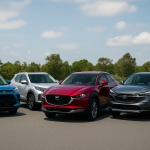
The small SUV market in Australia is crowded with high-quality options. Main competitors include:
- Mazda CX-30 – Known for premium interior and dynamic handling.
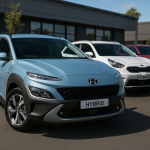
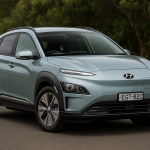
- Hyundai Kona – Offers hybrid and EV options, plus bold styling.
- Toyota C-HR – Sportier design and hybrid efficiency.
- Nissan Qashqai – Spacious interior and excellent tech interface.
- MG ZS and Haval Jolion – Lower price points, but improving features.
Compared to these, the ASX’s main advantages are warranty coverage, reliability, and ownership confidence. It may not be the most advanced in terms of electrification or cutting-edge chassis tech, but its well-rounded nature keeps it relevant for many Australian buyers.
Driving on Australian Roads
The ASX feels well-suited to local conditions. Its ground clearance of around 205 mm handles uneven suburban roads, and its suspension tuning works nicely on regional highways.
Drivers will appreciate the light steering during urban manoeuvres and parking, while the stability at higher speeds makes highway drives stress-free. On unsealed country roads, the ASX feels planted and predictable — although it’s best considered a city SUV rather than an off-roader.
Performance Summary
- Engine: 1.3-litre Turbo Petrol
- Transmission: 7-speed dual-clutch auto
- Drive Type: Front-wheel drive
- Power: 113 kW
- Torque: 270 Nm
- 0–100 km/h: ~9 seconds
- Fuel Economy: ~6.4 L/100 km (combined)
- Fuel Type: Unleaded Petrol
- Towing Capacity: Up to 1,200 kg (braked)
These figures put it in line with most small-SUV rivals, with enough performance for overtaking and steady highway cruising.
Strengths
- Modern, attractive exterior design.
- Improved cabin quality and tech.
- Excellent warranty and ownership value.
- Smooth turbocharged engine with good mid-range punch.
- Balanced ride comfort and city-friendly dimensions.
Weaknesses
- Price rise compared with older ASX models.
- No hybrid or AWD option for now.
- Rear headroom slightly tight for tall passengers.
- Some advanced features reserved for top trims.
Verdict – Is the Mitsubishi ASX Worth Buying?
For Australian drivers wanting a small SUV that’s comfortable, reliable, and packed with everyday features, the Mitsubishi ASX remains a strong contender.
Its biggest strengths are the blend of practicality, generous equipment, and Mitsubishi’s long warranty. It may not be the sportiest or most tech-heavy option, but it offers a solid, well-rounded driving experience that will satisfy most urban and suburban buyers.
The ASX excels as a city SUV for individuals, couples, or small families who value dependability over flashiness. If you prioritise comfort, warranty coverage, and ease of ownership, it’s a vehicle worth shortlisting.
Final Thoughts
The Mitsubishi ASX continues to evolve while staying true to its core appeal — affordability, practicality, and low running costs.
In an Australian market overflowing with small SUVs, the ASX distinguishes itself through reliability and peace of mind. It might not turn the most heads, but it’s the kind of car that simply works day after day without fuss.
For anyone seeking a trusted city SUV with balanced performance and long-term value, the ASX remains a safe, confident choice.

Leave a comment
Your email address will not be published. Required fields are marked *