The Hyundai Tucson has long been a standout in the competitive Australian SUV market. Known for its bold styling, smart technology, and diverse powertrain options, it represents Hyundai’s evolution into a brand that blends design flair with engineering excellence. For 2025, the Tucson arrives in Australia with refreshed styling, updated hybrid technology, and more premium interior finishes—all while maintaining its reputation for reliability and value.
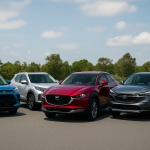
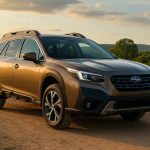
In a landscape dominated by rivals such as the Toyota RAV4 Hybrid, Mazda CX-5, and Kia Sportage, the Hyundai Tucson aims to carve a niche for buyers seeking a tech-forward SUV that delivers comfort, efficiency, and strong resale value.
Design and Exterior Styling
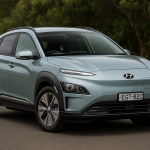
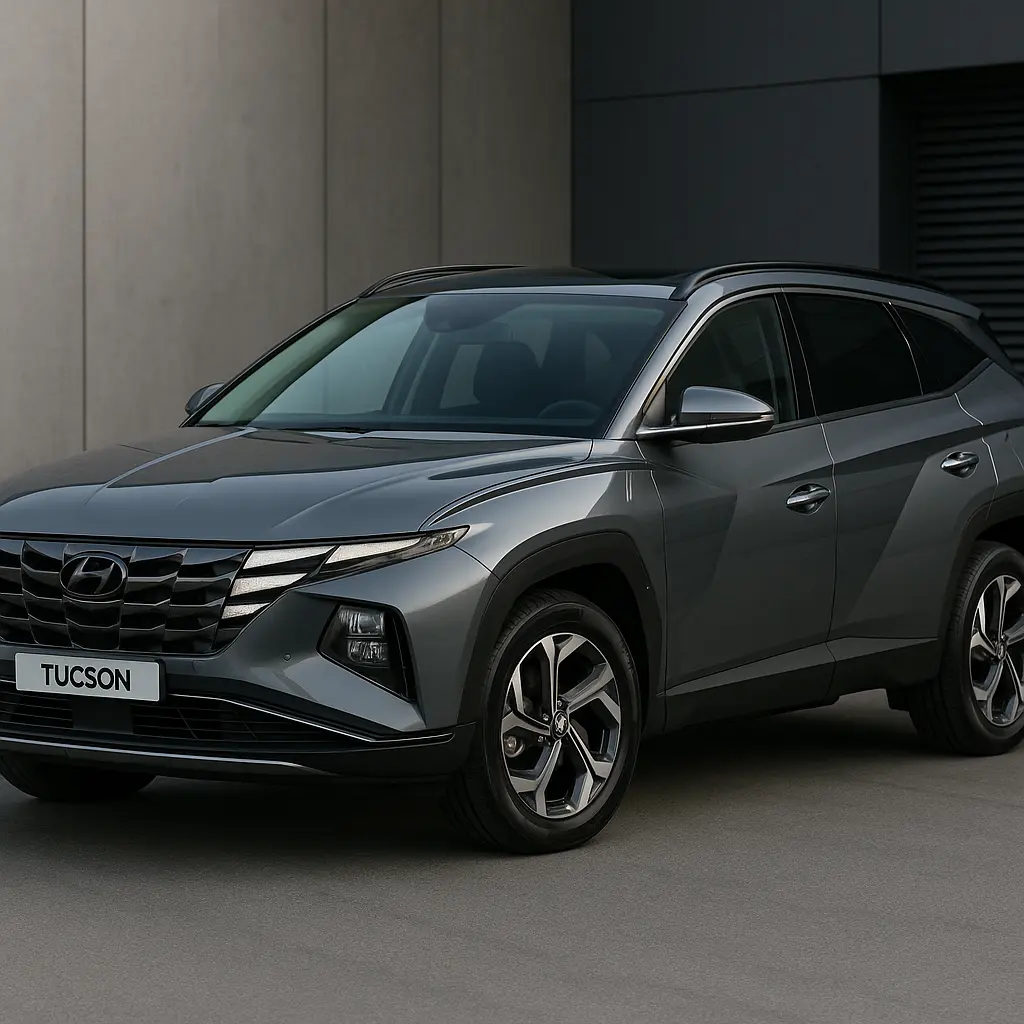
Hyundai has never shied away from bold design, and the Tucson’s exterior exemplifies this philosophy. Its “Parametric Dynamics” design language makes a strong visual statement—sharp creases, hidden LED daytime running lights integrated into the grille, and sculpted body lines create a futuristic presence on the road.
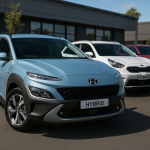
From every angle, the Tucson feels athletic. The wide stance, angular headlights, and cascading grille give it a commanding road presence. The sloping roofline adds a touch of sportiness without compromising cabin space. The hybrid variants add subtle blue highlights and aerodynamic alloy wheels, signalling efficiency without being flashy.
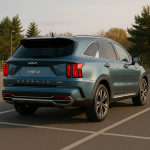
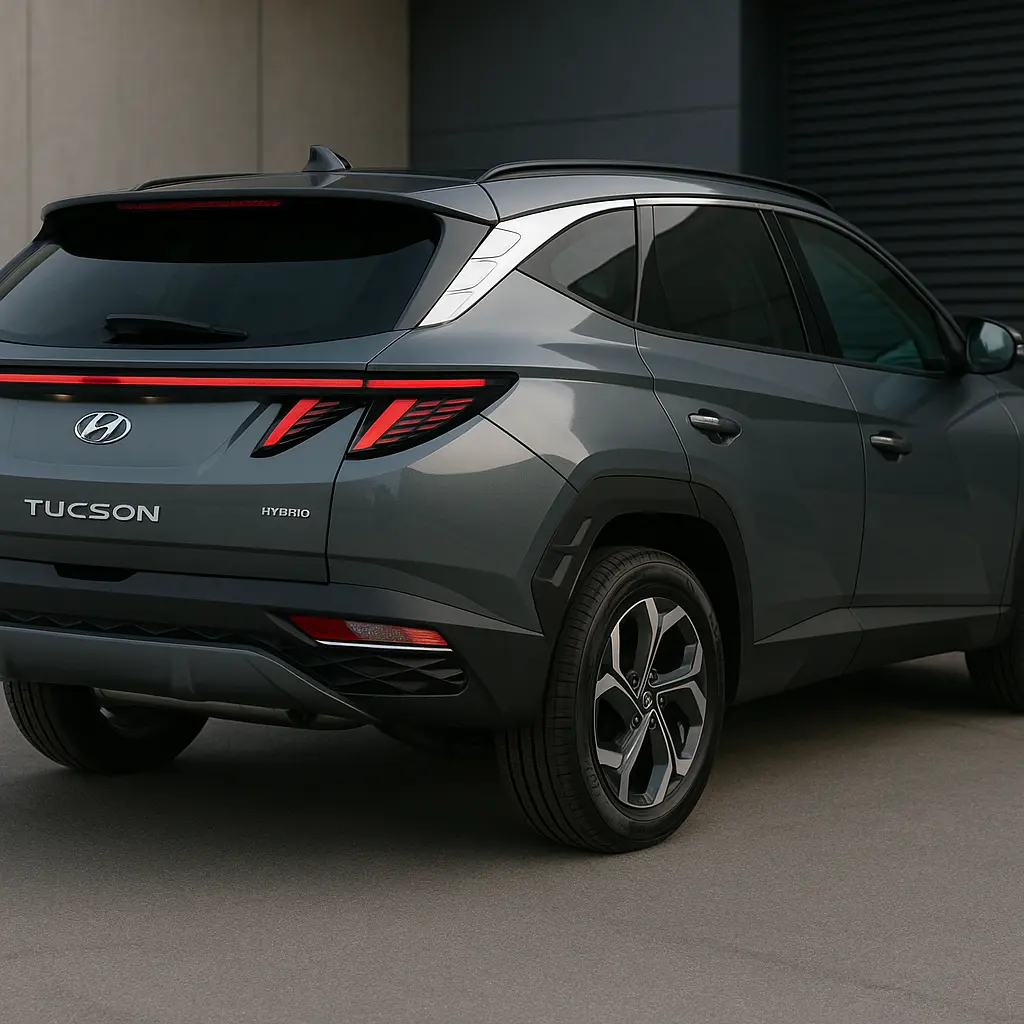
At the rear, the connected LED taillights, full-width light bar, and neatly integrated rear spoiler enhance its modern aesthetic. For Australian buyers, Hyundai offers a wide range of exterior colour choices including Amazon Grey, Shimmering Silver, and Titan Grey—each adding a distinct personality.
Interior Comfort and Cabin Experience
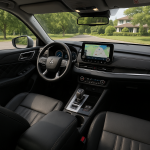
Step inside, and the Tucson feels closer to a luxury SUV than a mainstream mid-sizer. Hyundai’s attention to detail shines through the quality of materials, layered dashboard design, and intuitive layout. Soft-touch surfaces, satin chrome accents, and ambient lighting elevate the cabin ambiance.
The hybrid models feature unique digital instrument clusters and ambient blue lighting that subtly remind you of its eco-conscious DNA. Front seats are well-bolstered, providing excellent long-distance comfort, while rear passengers benefit from generous legroom and reclining seatbacks.
The Tucson also scores highly in practicality. The wide-opening doors make entry and exit effortless, while the 539-litre boot (expanding to 1,860 litres with the rear seats folded) ensures ample storage for weekend trips or family errands. The hybrid’s battery placement doesn’t intrude much into the cargo area—something Hyundai has engineered impressively well.
Technology and Features
One of the Tucson’s biggest strengths lies in its technology suite. Every variant—whether petrol, diesel, or hybrid—comes loaded with a comprehensive infotainment and safety package.
Infotainment and Connectivity
The centrepiece is the 10.25-inch touchscreen infotainment system with built-in satellite navigation, Apple CarPlay, and Android Auto. Wireless smartphone mirroring is standard across most variants, and the interface is fluid and intuitive. The 10.25-inch digital driver display complements the main screen, offering crisp graphics and configurable layouts.
Higher trims add a premium Bose audio system, voice recognition, and Hyundai’s “Bluelink” connected services, allowing remote climate control, door locking, and vehicle status monitoring via a smartphone app—ideal for tech-savvy Australians.
Climate and Comfort Features
Dual-zone climate control with rear vents ensures all passengers enjoy consistent comfort. Top variants include heated and ventilated front seats, a heated steering wheel, and panoramic sunroof—features once reserved for luxury vehicles.
Convenience and Driver Aids
Keyless entry, push-button start, wireless charging, power tailgate, and smart parking assist all add to the ease of ownership. Hyundai’s attention to convenience features positions the Tucson as one of the most well-equipped SUVs in its class.
Powertrains and Performance
Petrol and Diesel Options
The Hyundai Tucson continues to offer traditional petrol and diesel powertrains. The 2.0-litre petrol engine is ideal for urban drivers, while the 2.0-litre turbo-diesel provides strong torque for towing and highway driving. Both are paired with smooth automatic transmissions and all-wheel drive options for enhanced traction.
Hybrid Powertrain
The headline act, however, is the hybrid variant. It combines a 1.6-litre turbocharged petrol engine with an electric motor, producing a combined output of around 169kW and 350Nm. Power delivery is seamless, with the hybrid system automatically switching between electric and petrol modes for maximum efficiency.
The hybrid Tucson feels zippy around town thanks to instant torque from the electric motor, yet remains whisper-quiet during cruising. It also delivers impressive fuel economy—around 5.2L/100km—making it a compelling alternative to diesel-powered SUVs.
The transition between electric and petrol modes is nearly imperceptible, aided by Hyundai’s refined hybrid system that has matured significantly since its debut in earlier models. For those conscious of both running costs and environmental impact, the hybrid variant hits a sweet spot.
Ride and Handling
On Australian roads, the Tucson strikes an excellent balance between comfort and agility. The suspension setup—tuned specifically for local conditions—absorbs rough surfaces and gravel tracks with ease, while maintaining composure through bends. Steering is precise and well-weighted, providing confidence in city traffic and on the open highway alike.
The hybrid variant adds an extra layer of smoothness due to the electric motor’s torque assistance. It feels especially refined in stop-start driving, which is a big plus for commuters in cities like Sydney or Melbourne. Even on longer country drives, cabin noise remains impressively low thanks to extensive insulation and aerodynamic design.
Safety and Driver Assistance
Safety has always been a Hyundai strength, and the Tucson is no exception. It has earned a 5-star ANCAP safety rating and comes loaded with Hyundai SmartSense technology across the range. Key features include:
- Forward Collision-Avoidance Assist (with Junction Turning)
- Blind-Spot Collision Warning and Avoidance
- Lane Keeping Assist and Lane Following Assist
- Rear Cross-Traffic Alert
- Smart Cruise Control with Stop & Go
- 360-Degree Camera System
- Safe Exit Warning
These systems combine to make daily driving more secure and less stressful. The adaptive cruise control and lane-centering functions are especially effective during long highway journeys, keeping the Tucson steady and relaxed even in heavy traffic.
Fuel Efficiency and Environmental Impact
The hybrid Tucson stands out for its outstanding efficiency. With combined consumption around 5.2L/100km, it rivals the Toyota RAV4 Hybrid while offering similar performance. Regenerative braking helps capture energy during deceleration, while eco drive modes allow drivers to fine-tune throttle response and air-conditioning settings to maximise range.
For those frequently driving in urban areas, the ability to coast silently in EV mode adds a sense of serenity and saves fuel. Meanwhile, Hyundai’s commitment to sustainability extends beyond efficiency—eco-friendly materials and reduced cabin plastics further minimise its environmental footprint.
Pricing and Variants in Australia
Hyundai offers the Tucson range in multiple trims—ranging from the base Tucson, to the mid-spec Elite, and top-spec Highlander. The hybrid variant is available across several grades, ensuring flexibility for buyers.
Approximate pricing (as of late 2025) in Australia:
- Tucson 2.0 Petrol (FWD): from $37,000 (drive-away)
- Tucson Elite Hybrid (AWD): from $51,000 (drive-away)
- Tucson Highlander Hybrid (AWD): from $57,000 (drive-away)
These prices make the Tucson highly competitive against key rivals like the Toyota RAV4, Honda CR-V e:HEV, and Mazda CX-5. Considering the hybrid’s premium efficiency and tech, it offers strong value for money.
Hyundai also provides a five-year/unlimited-kilometre warranty and eight-year battery warranty for the hybrid system—an attractive reassurance for long-term owners.
Ownership and Running Costs
Running costs are another strong point for the Tucson. Servicing intervals are typically every 15,000km or 12 months, whichever comes first. Hyundai’s prepaid service plans and capped-price servicing options make it easier to budget for ongoing maintenance.
Insurance premiums are moderate, thanks to Hyundai’s strong safety reputation and availability of affordable replacement parts. The hybrid’s efficiency further reduces total ownership costs, making it one of the smartest SUV choices for Australian families.
Driving Impressions: Everyday Life with the Tucson
In daily use, the Tucson feels intuitive, quiet, and comfortable. The hybrid powertrain enhances city drivability, allowing near-silent takeoffs and effortless acceleration in traffic. On highways, it cruises confidently, with minimal wind or road noise. The adaptive cruise control works seamlessly, and lane centering feels natural rather than intrusive.
Parking is a breeze, too. The combination of 360-degree cameras, sensors, and semi-automated parking assist makes tight spots in urban areas stress-free. For families, the rear seat alert and smart tailgate (which opens when it detects the key nearby) add an extra layer of convenience.
Comparisons: How It Stacks Against Rivals
The Tucson competes in one of the toughest segments in Australia, and it holds its ground impressively well.
- Toyota RAV4 Hybrid: The segment benchmark for efficiency, but often faces long waitlists and a conservative design. The Tucson feels more premium and readily available.
- Mazda CX-5: Delivers excellent handling and interior craftsmanship, but lacks a hybrid option in most trims. Tucson wins on efficiency and tech.
- Kia Sportage Hybrid: Shares its platform with the Tucson but offers slightly sportier styling. Hyundai’s cabin materials and tuning give it a more refined feel.
Overall, the Tucson’s blend of design flair, comfort, and hybrid technology make it one of the most well-rounded options on the market.
Verdict: Why the Hyundai Tucson Hybrid Deserves Attention
The Hyundai Tucson remains a top contender for Australian SUV buyers in 2025. It’s stylish, practical, packed with technology, and offers the peace of mind of hybrid efficiency. Whether you’re a family needing space, a commuter seeking economy, or a driver wanting comfort and safety, the Tucson delivers across the board.
It might not have the badge prestige of European rivals, but it easily matches them in refinement and exceeds them in value. Backed by Hyundai’s strong dealer network, long warranty, and Australian-specific tuning, the Tucson stands tall as one of the best mid-size SUVs in the country.
Final Verdict:
The Hyundai Tucson Hybrid blends bold design, refined performance, and smart technology into a single, value-packed SUV. For Australian buyers wanting the future of hybrid driving without breaking the bank, the Tucson is a clear winner.

Leave a comment
Your email address will not be published. Required fields are marked *