The small-car market may be shrinking, but the Hyundai i20 N proves there’s still space for a genuine, driver-focused hot hatch in Australia. It’s a car built for enthusiasts — a compact hatch with serious performance intent, manual transmission, and everyday practicality. In a landscape dominated by SUVs and automatics, the i20 N stands as a throwback to purist driving joy.
This review dives deep into every aspect of the i20 N: performance, handling, comfort, technology, ownership costs, and real-world usability — all from an Australian perspective.
Design and Styling
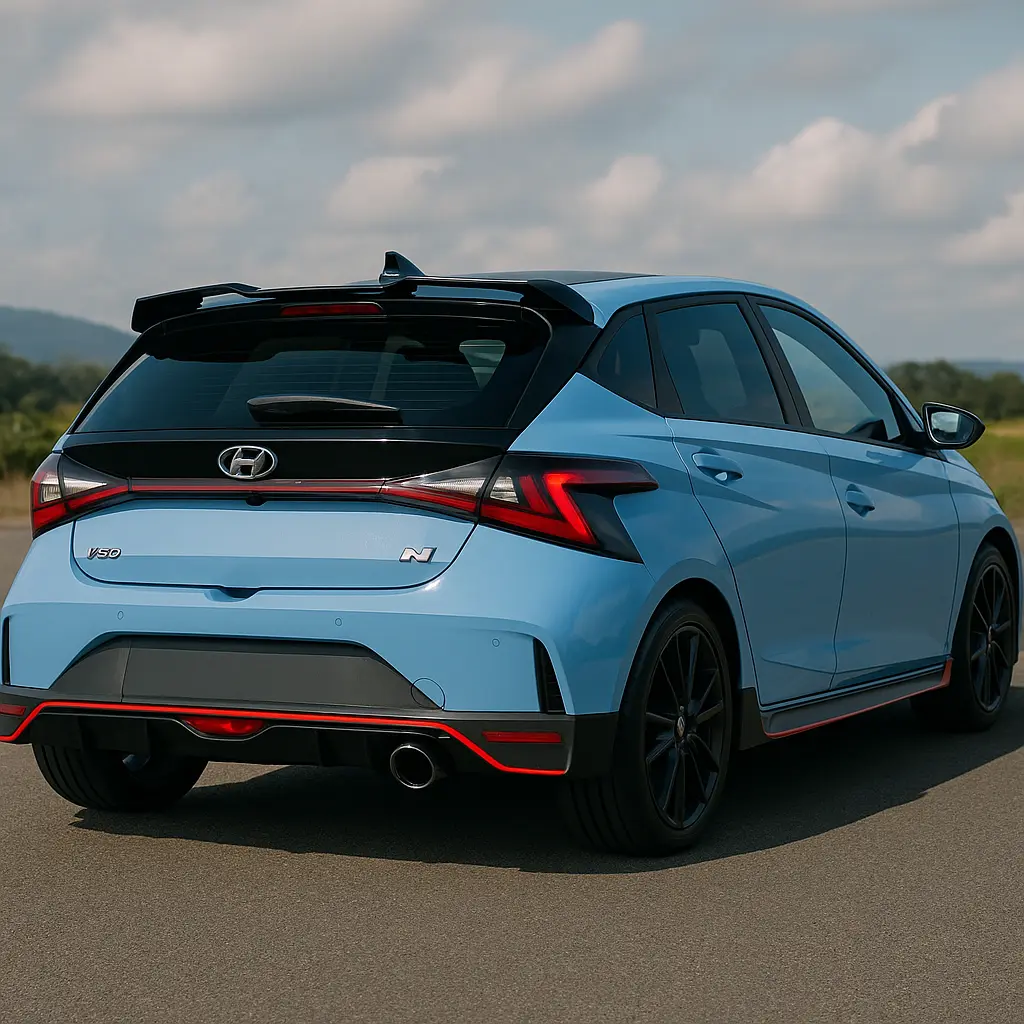
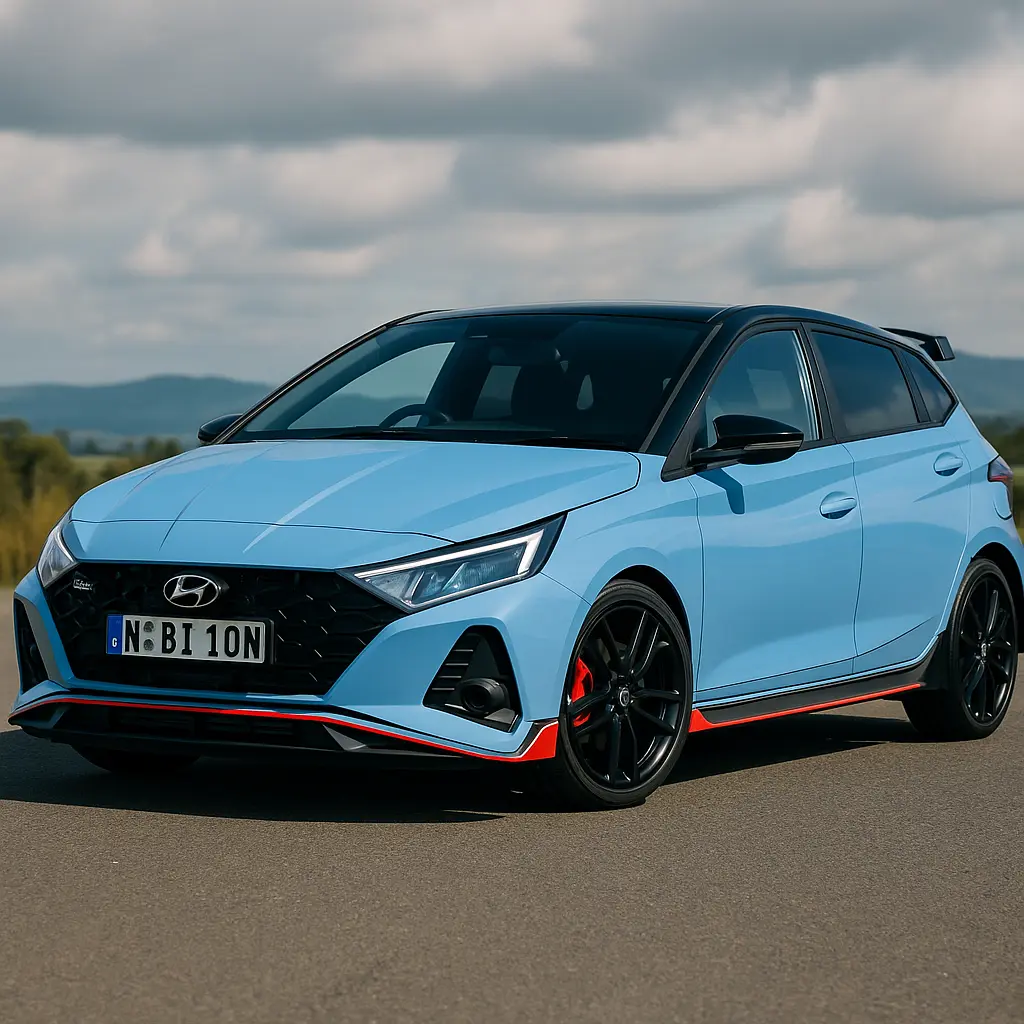
The Hyundai i20 N doesn’t rely on subtlety. It announces its intent with an aggressive stance, bold body lines and sporty detailing. Up front, you get a large grille with the “N” badge, flanked by angular LED headlights. A contrasting roof, rear diffuser, red accent lines and a roof-mounted spoiler enhance the athletic look.
Despite its compact footprint, it carries a strong road presence. The 18-inch alloy wheels, N-branded red brake calipers and twin-tip exhaust make it clear this is no regular city hatch.
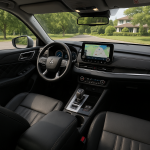
Inside, the cabin follows the same theme — dark trim, red stitching and a driver-centric layout. The sports seats are bolstered for cornering support, while the flat-bottom steering wheel and metal pedals create a cockpit feel. Fit and finish are solid for the segment, with quality materials that blend practicality and sportiness.
Engine and Performance
At the heart of the Hyundai i20 N lies a 1.6-litre turbocharged four-cylinder petrol engine delivering 150 kW of power and 275 Nm of torque. It’s paired exclusively with a six-speed manual gearbox and front-wheel drive.
This engine loves to rev and rewards enthusiastic driving. Peak power arrives at 5,500 rpm, but torque builds from low in the range, providing responsive acceleration whether you’re on winding roads or merging onto the highway. A 0-100 km/h time of around 6.7 seconds places it firmly in the hot-hatch category.
An integrated rev-matching system helps smooth downshifts, while a mechanical limited-slip differential (LSD) ensures traction and stability when pushing hard through corners. Few small hatches at this price offer such a sophisticated setup.
The engine note is another highlight. The exhaust emits a raspy, enthusiastic growl that enhances the experience — playful, not overpowering. Hyundai’s engineers clearly tuned the i20 N to be as fun to listen to as it is to drive.
Transmission and Drive Modes
The six-speed manual is the only gearbox available, and it’s one of the car’s biggest selling points. The shift action is short and mechanical, giving excellent feedback. The clutch is light enough for daily traffic but responsive enough for performance driving.
Hyundai’s N-Mode system allows drivers to tailor the experience. There are several selectable profiles — Normal, Sport, and N-Mode — each altering throttle response, exhaust tone, steering weight, and stability-control intervention. You can even configure a custom N mode, storing your preferred setup for road or track use.
Handling and Ride Quality
Handling is where the Hyundai i20 N truly shines. The chassis feels tight, precise, and agile — exactly what enthusiasts demand from a hot hatch. The steering is quick and communicative, offering excellent road feedback.
On twisty Australian backroads, it’s eager and composed. The torsion-beam rear suspension, though simpler than a multi-link setup, has been finely tuned to balance grip and playfulness. With the LSD working to distribute torque efficiently, the i20 N corners with confidence and minimal understeer.
The downside? Ride comfort is firm. The suspension prioritises control and feedback over cushioning. Rough surfaces and expansion joints can be felt in the cabin, especially on long commutes. For drivers prioritising comfort, this may be a compromise. But for enthusiasts, that firmness translates to responsiveness and control — exactly what makes the car so rewarding.
Interior Comfort and Features
Despite its hardcore performance edge, the i20 N doesn’t skimp on creature comforts. Standard equipment includes:
- 10.25-inch digital driver display
- 10.25-inch infotainment touchscreen with Apple CarPlay and Android Auto
- Satellite navigation and digital radio
- Wireless charging pad
- Keyless entry and push-button start
- Climate control air-conditioning
- USB ports and Bluetooth connectivity
The infotainment interface is clear and responsive, with performance-specific pages showing boost pressure, lap times, and G-forces. The digital driver cluster can be customised to display revs, shift lights, or N-mode data.
Front passengers enjoy supportive sports seats with plenty of adjustment. Rear space, however, is tight — typical for the segment. Two adults can fit for short trips, but tall passengers will find legroom limited. Boot space is around 310 litres, enough for groceries or weekend bags but less than some regular hatches due to suspension packaging.
Safety and Driver Assistance
The Hyundai i20 N comes with a full suite of safety technology, including:
- Forward collision avoidance with pedestrian and cyclist detection
- Lane-keeping assist and lane-following aid
- Blind-spot monitoring
- Rear cross-traffic alert
- Driver attention warning
- Hill-start assist
- Six airbags
While it has not yet been officially ANCAP-rated, the safety technology aligns with current standards for small cars. Visibility from the driver’s seat is good, aided by large mirrors and a relatively upright driving position.
Fuel Efficiency and Real-World Economy
Official combined fuel consumption is around 6.9 L/100 km, though in spirited driving expect closer to 8 L/100 km. The i20 N requires premium unleaded petrol (95 RON or higher), common for turbocharged performance engines.
The 40-litre fuel tank may seem small, but given its compact size and weight, range remains acceptable for daily commuting. On longer trips at steady highway speeds, efficiency improves significantly.
Practicality and Everyday Usability
The i20 N’s compact size makes it easy to live with in Australian cities. Parking is effortless, and visibility is excellent. The turning circle is tight, making narrow suburban streets less stressful.
Storage options include deep door bins, a decent glovebox, centre console tray, and cupholders. Boot space, while not class-leading, can handle everyday needs. Folding the rear seats expands cargo capacity for larger items.
Noise levels are higher than in a standard hatch due to stiffer suspension and wider tyres. However, cabin refinement is still commendable for a car tuned for performance. Wind and road noise are noticeable at highway speeds, but not intrusive enough to spoil long-distance comfort.
Ownership Costs and Maintenance
Hyundai offers strong value when it comes to ownership. The i20 N benefits from the brand’s five-year/unlimited-kilometre warranty, including coverage for non-competitive track use under certain conditions — a rare move in the performance car world.
Service intervals are every 12 months or 10,000 km, whichever comes first. Hyundai’s pre-paid service plan keeps costs predictable, with average annual servicing around the mid-$300 range over the first five years.
Tyre wear will depend on driving style. Enthusiastic drivers should budget for more frequent replacements, as the sticky performance tyres wear faster than those on regular hatches. Insurance premiums are slightly higher than mainstream small cars but still manageable thanks to the i20 N’s relatively low purchase price.
Performance Compared to Rivals
The i20 N competes with a handful of small hot hatches in Australia:
Volkswagen Polo GTI – Offers a dual-clutch automatic and refined ride, but lacks a manual gearbox and the raw engagement of the i20 N.
Suzuki Swift Sport – Lighter and cheaper, but down on power and handling precision.
Ford Fiesta ST – A direct rival, similarly powerful and also focused on driving fun, though supply in Australia has been limited.
Hyundai i30 N Line – A step up in size and comfort, but heavier and costlier.
Among these, the i20 N strikes the best balance of price, performance, and everyday usability. Its manual transmission appeals to traditionalists, and its setup feels more track-ready than its rivals.
Strengths and Weaknesses
Strengths
- Engaging manual gearbox
- Excellent chassis tuning and handling balance
- Value-for-money performance package
- Strong warranty and service support
- Lively design and cabin atmosphere
Weaknesses
- Firm ride on rough roads
- Tight rear passenger space
- No automatic option
- Small fuel tank for long road trips
Who Should Buy the Hyundai i20 N?
The i20 N is ideal for drivers who prioritise driving engagement and personality over plush comfort. It’s perfect for enthusiasts who miss the analog feel of older hot hatches, yet still want modern safety tech and reliability.
It’s also a smart buy for those seeking a fun daily driver that doesn’t break the bank. While not as comfortable as a mainstream hatchback, it rewards every drive with excitement — something few cars under $40,000 can claim.
For young professionals, weekend canyon-runners, or anyone wanting a genuine hot hatch experience without European maintenance costs, the i20 N makes a lot of sense.
Verdict
The Hyundai i20 N represents one of the most exciting affordable performance cars on sale in Australia today. It proves that big fun can come in a small package. The combination of turbo power, manual gearbox, and precision handling delivers a raw driving thrill that’s becoming increasingly rare.
Yes, it’s firm, and yes, it’s loud — but that’s exactly what makes it special. It’s not about comfort or convenience; it’s about connection between driver and machine. And on that front, the i20 N nails it.
If you’re after a small performance hatch that can commute during the week and tear up mountain roads on weekends, this is one of the best options available. The Hyundai i20 N isn’t just a car — it’s a statement that fun, affordable performance is still alive and well in Australia.

Leave a comment
Your email address will not be published. Required fields are marked *