A car wash might sound simple — soap, water, done. But ask any Australian car enthusiast or detailer, and they’ll tell you that the way you wash your car can dramatically affect its appearance, resale value, and even longevity. Whether you’re taking the DIY route in your driveway or considering the convenience of an automatic wash, understanding the differences, methods, and pitfalls makes all the difference.
In this comprehensive guide, we’ll explore everything you need to know — from the pros and cons of hand vs automatic washing, to professional-level techniques, ideal products, and how to avoid damaging your paintwork. Let’s dive into the essentials of proper car washing and maintenance, tailored to Australian conditions.
Why Regular Car Washing Matters
Regular washing isn’t just about looks. It’s about protecting your investment.
Australia’s diverse driving environments — from coastal salt air to red inland dust — can quickly wear down paint, chrome, and glass surfaces. Bird droppings, tree sap, road grime, and UV rays all contribute to paint degradation. Washing removes these contaminants before they can do permanent damage.
Keeping your car clean also:
- Prevents rust and corrosion
- Improves visibility and safety
- Preserves resale value
- Enhances aerodynamics (clean surfaces reduce drag slightly)
- Keeps interiors cleaner by reducing dirt transfer
Think of washing as ongoing protection — not vanity.
Hand Wash vs Automatic Wash: The Great Debate
Hand Washing: The Classic Care Approach
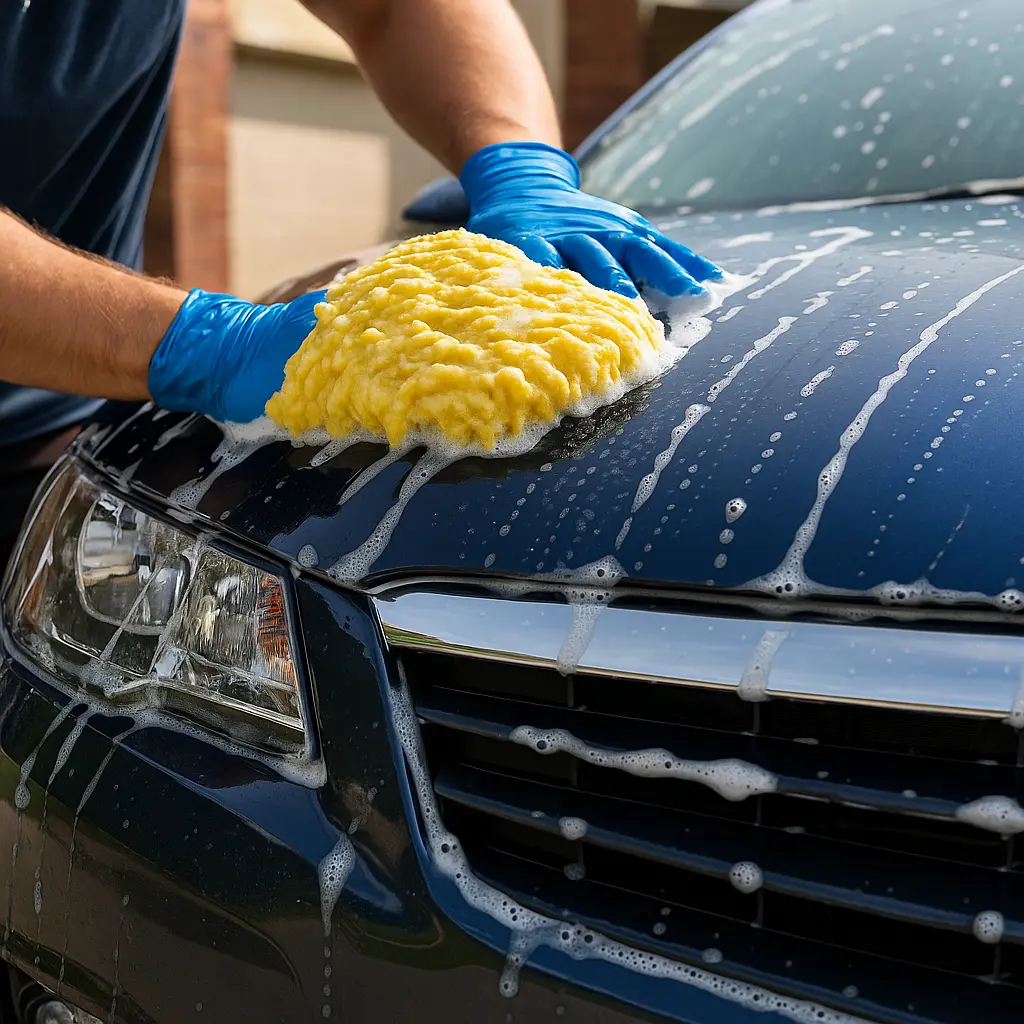
Hand washing gives you control and attention to detail that machines can’t replicate. Using the right tools — microfibre mitts, pH-balanced shampoo, and separate buckets — helps protect your car’s finish.
Advantages of Hand Washing
- Gentle on paint: When done correctly, it minimises swirl marks.
- Attention to detail: You can focus on problem areas like wheel arches or bugs on the bumper.
- Customisable: Choose premium products suited to your car’s finish (ceramic-coated, matte, metallic, etc.)
- Cost-effective: Minimal setup after initial investment in tools.
Drawbacks
- Time-consuming (typically 30–60 minutes)
- Requires proper technique to avoid micro-scratches
- Consumes more water if not managed carefully
- Weather-dependent — not ideal in harsh sun or cold winds
Automatic Car Washes: Speed Meets Convenience
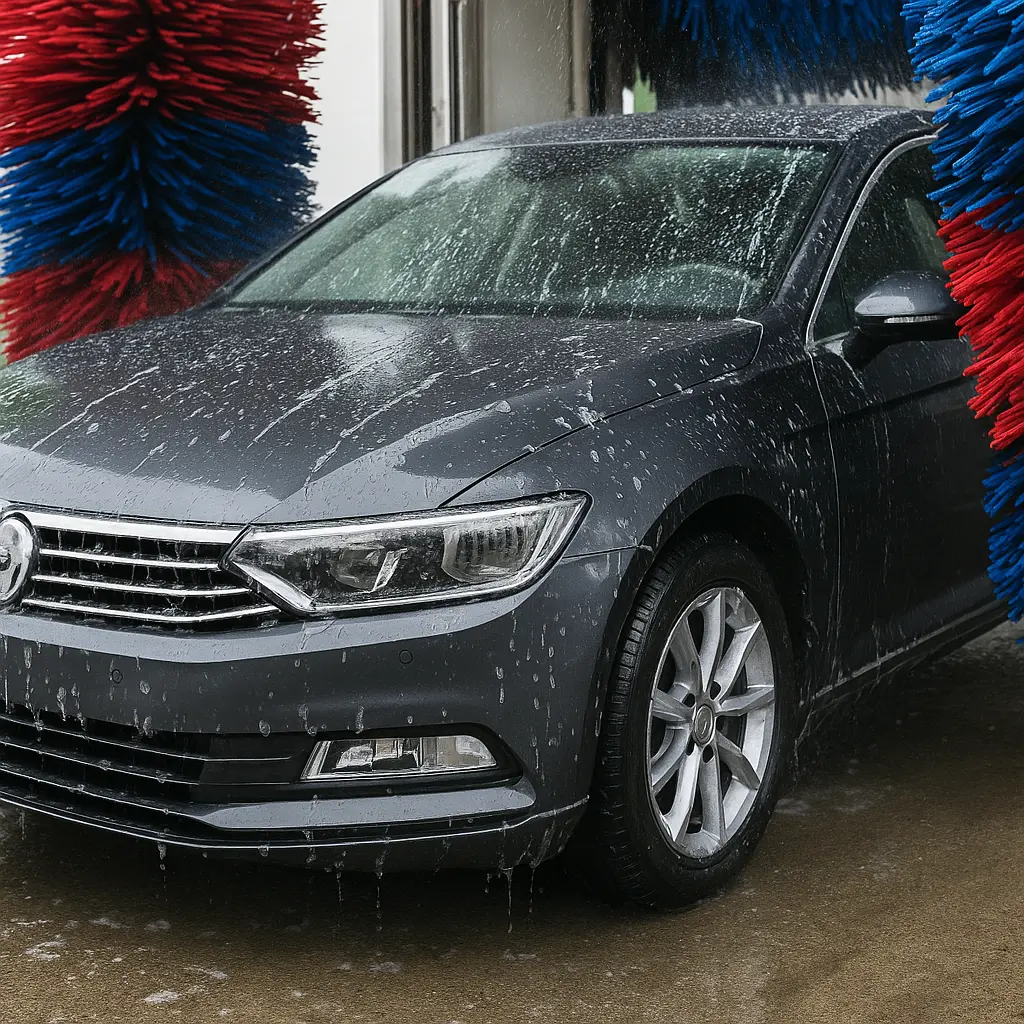
Automatic or touchless car washes are popular for busy urban drivers. They’re fast, easy, and available almost everywhere.
Advantages of Automatic Washes
- Speed: Wash and rinse in under 10 minutes.
- Consistency: Automated pressure and detergent application.
- Ideal for busy schedules: No setup or cleanup required.
Drawbacks
- Potential for scratches: Especially with older brush-style machines.
- Less thorough: May miss detailed areas like grilles or mirrors.
- Chemical residue: Harsh detergents can strip wax or sealant layers.
- Limited customisation: Can’t target specific issues like tar or sap.
Touchless Wash: The Modern Middle Ground
Touchless systems use high-pressure water jets and specialised detergents without physical contact. While safer for paint, they might not remove heavy grime effectively. Combining a touchless rinse with periodic hand washes can deliver the best of both worlds.
DIY Car Cleaning: The Essentials
Doing it yourself offers satisfaction and precision. With proper tools and knowledge, you can achieve professional results without damaging your car.
1. Gather the Right Tools
- Two buckets (one for soapy water, one for rinsing)
- Microfibre wash mitts or sponges
- Car shampoo (pH-neutral, not household detergent)
- Microfibre drying towels or chamois
- Soft wheel brushes
- Wheel cleaner (acid-free for safety)
- Spray wax or ceramic detailer
Avoid using dishwashing liquid or bathroom cleaners — they strip protective coatings and dry out rubber trims.
2. Choose the Right Time and Place
Always wash your car in the shade or during cooler parts of the day. Direct sunlight causes soap and water to dry too fast, leaving streaks or water spots. Avoid washing on dusty, windy days that can reintroduce debris mid-clean.
3. Rinse First
Rinsing removes loose dirt and dust, reducing the risk of scratching when you begin washing. Start from the top and work your way down — roof, windows, panels, wheels, and tyres last.
4. The Two-Bucket Technique
One bucket holds soapy water, the other clean water for rinsing your mitt. This prevents transferring dirt back to your paint surface. Dip, wash a section, rinse mitt, repeat.
5. Wash from Top to Bottom
Gravity works in your favour. Start at the roof and work down. Lower panels and bumpers pick up the most grime and should be washed last. Use gentle, straight-line motions instead of circles to minimise swirl marks.
6. Don’t Forget the Wheels
Brake dust is corrosive. Use a dedicated brush and cleaner. Never use the same cloth on wheels and paint — cross-contamination can cause scratches.
7. Rinse and Dry Thoroughly
After washing, rinse off all soap and use a microfibre towel to dry. Avoid air-drying; it leaves water spots. A drying aid or quick detailer spray adds lubrication and extra shine.
Best Practices for a Professional-Level Finish
Use the Right Soap
pH-balanced car shampoos protect wax layers and coatings. Some products even include gloss enhancers or water softeners for a spot-free finish.
Microfibre Everything
From mitts to towels, microfibre is key. It traps dirt within fibres rather than dragging it across paint. Wash them separately after use to maintain effectiveness.
Protective Layers
After cleaning, applying a wax or ceramic sealant helps repel dirt and water, making future washes easier. These coatings also offer UV protection against Australia’s intense sun.
Interior Detailing
While you’re at it, don’t ignore the inside. Vacuum carpets, clean dashboards with non-greasy protectants, and wipe glass with a streak-free cleaner. A clean interior complements a polished exterior.
Common Car Washing Mistakes (and How to Avoid Them)
Using Household Cleaners
They’re too harsh and strip wax protection. Always use automotive-specific shampoos.
Washing in Direct Sunlight
Soap dries too quickly, leading to streaks and water spots. Pick a shaded spot instead.
Skipping the Pre-Rinse
Dry dirt acts like sandpaper. Always rinse before contact washing.
Using Old Towels or Sponges
Rough materials can scratch the paint. Microfibre only.
Neglecting Wheels
Dirty wheels ruin an otherwise spotless car — and brake dust can cause long-term corrosion.
Not Drying Properly
Leaving a car to air dry encourages mineral deposits. Use clean drying towels or a leaf blower for streak-free results.
Overusing Wax or Polish
More isn’t always better. Too much product can create haze. Thin, even layers are more effective.
Eco-Friendly Car Washing in Australia
Australia’s water restrictions and environmental awareness mean sustainable washing methods are more relevant than ever.
Tips for Greener Washing
- Use a bucket and trigger nozzle to limit water waste.
- Choose biodegradable, phosphate-free soaps.
- Wash on grass so water filters naturally through soil.
- Opt for waterless wash products when light cleaning is enough.
Some commercial car washes recycle water, making them eco-conscious choices too.
Caring for Special Paint Finishes
Modern vehicles come with various finishes — matte, metallic, pearl, and ceramic-coated. Each needs specific care.
Matte Paint:
Never use wax or polish. Use matte-safe soaps that preserve the satin look.
Metallic or Pearl Paint:
Use gloss-enhancing shampoos and sealants that amplify light reflection.
Ceramic-Coated Cars:
Avoid abrasive products. Use pH-neutral soaps and maintain with ceramic sprays to extend coating life.
Seasonal Car Washing Tips
Summer:
Focus on UV protection. Apply sealants and wash more frequently due to bugs, sap, and dust.
Winter:
Rinse undercarriages regularly to remove salt, mud, and grime.
Spring:
Great time for a deep clean — clay bar treatment, interior shampooing, and wax refresh.
Autumn:
Watch for falling leaves and tree sap; both can stain if left unattended.
Detailing vs Washing: Knowing the Difference
A car wash is surface-level cleaning. Detailing goes deeper — polishing, waxing, interior shampooing, and even engine bay cleaning.
For enthusiasts, occasional detailing complements routine washing, keeping the vehicle show-ready.
When to Seek Professional Help
Even seasoned DIYers benefit from professional detailing occasionally. If your car’s paint feels rough, has deep swirl marks, or lacks shine, professionals can restore it with paint correction, machine polishing, or ceramic coatings. It’s also smart before selling a car to maximise resale value.
Conclusion: A Clean Car Is a Happy Car
Whether you’re a weekend warrior with a bucket and mitt or someone who relies on quick automatic washes, understanding how different methods affect your car ensures it stays looking sharp for years.
A proper wash routine protects your paint, enhances driving pride, and keeps your investment looking newer for longer. With the right products, techniques, and care, car washing becomes more than maintenance — it’s a satisfying ritual that keeps your ride in top form for every Aussie adventure.

Leave a comment
Your email address will not be published. Required fields are marked *