
Trading in your old car for a new one is one of the most convenient ways to upgrade. It saves time, avoids the hassle of private selling, and gives you instant credit toward your next vehicle. But convenience can come at a cost — many Aussie car owners accept less than what their car is truly worth because they walk into the dealership unprepared.
The Australian used car market is evolving. With supply chain shortages, EV incentives, and increasing demand for fuel-efficient vehicles, trade-in values fluctuate more than ever. To ensure you get the best possible deal, you need to know how the process works, what affects your car’s value, and what tactics dealers use behind the scenes.
This comprehensive guide will walk you through every step of the car trade-in process — from understanding market trends to negotiating with confidence.

Understanding How Car Trade-Ins Work
When you trade in your old car, you’re essentially selling it to the dealership as part of your purchase for a new or used vehicle. The dealer assesses your car’s market value, deducts potential reconditioning costs, and then offers you a figure.
The trade-in amount is usually subtracted directly from the price of your next car, which can also reduce the amount of finance you need. However, what you gain in convenience, you might lose in potential cash value — since dealers need to resell your car at a profit.
Knowing this helps you play the game smarter.
What Dealers Consider When Valuing Your Trade-In
- Make, model, and year: Popular, reliable brands like Toyota, Mazda, and Subaru generally retain value better.
- Mileage: Lower kilometres equal higher resale potential.
- Condition: Clean interiors, minor wear, and full service history improve appraisal results.
- Service records: A logbook showing regular servicing adds credibility and trust.
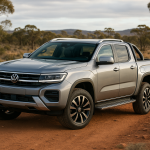
- Demand: If your vehicle is in demand (e.g. dual-cab utes, hybrid SUVs), you’re in a stronger position.
- Market trends: Seasonal changes and fuel prices can influence trade-in value.
Dealers will inspect your car, run a valuation using RedBook or Glass’s Guide, and calculate a resale margin. The number they offer isn’t random — it’s calculated to maintain their profit while making the deal look fair to you.
Preparing Your Car for Trade-In
Your goal is to make the car look well-maintained and desirable to both the dealer and future buyers. Presentation can make a difference of hundreds — even thousands — of dollars.
Deep Clean and Detail
Give your car a full wash and interior detail before the trade-in appointment. A clean car signals care and responsibility. Pay attention to:
- Shampooing carpets and seats
- Polishing the paintwork
- Removing stains and odours
- Cleaning glass and mirrors
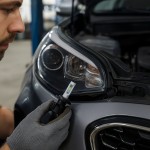
- Restoring headlights if they’ve gone dull
If your car has scratches or minor dents, consider affordable paintless dent repairs. They can yield a much higher perceived value.
Fix Minor Issues
Dealers notice everything — from worn tyres to cracked windshields. Addressing small repairs like headlight bulbs, wipers, or fluid top-ups can improve your offer without major expense.
Gather Documentation
Having your car’s logbook, receipts, warranty records, and spare keys ready shows you’ve maintained it properly. Transparency builds trust and prevents dealers from lowering their offer “just in case.”
When to Trade In Your Car: Timing Is Everything
Timing can drastically influence your trade-in value. Here’s what to keep in mind:
- End of financial year (EOFY): Dealers push to hit sales targets, making them more flexible with trade-in prices.
- Before new model releases: Once a new version of your car is announced, your current model’s value may drop.
- During high-demand seasons: SUVs fetch higher prices during winter, while convertibles and small cars sell better in summer.
- When interest rates are stable: High interest rates can slow the used car market, affecting trade-in offers.
If you’re in no rush, track online valuation trends for a few weeks using Australian car valuation tools before visiting dealerships.
How to Get the Best Trade-In Value
There’s both art and strategy involved in getting the best trade-in offer.
Know Your Car’s Market Value
Before walking into a dealership, use online valuation tools like RedBook or browse used car listings on major Australian sites. Compare your car’s model year, mileage, and condition against others currently for sale. This gives you a realistic idea of what dealers might offer.
Shop Around
Never accept the first offer. Visit multiple dealerships or car-buying services. You can even request written trade-in quotes — dealers may increase their offer once they see competition.
Negotiate Separately
A classic mistake is negotiating your trade-in and new car price together. Dealers often “blend” figures to make the deal look better. Instead, finalise your new car price first, then discuss the trade-in value. Treat them as two separate transactions.
Consider Selling Privately
Private sales usually bring in higher returns, but require time and effort. Compare the trade-in offer with private market value to decide whether the convenience is worth the difference.
Highlight Service History
Mention how well you’ve maintained the car, recent replacements (like tyres or battery), and any warranty remaining. This can help justify a higher offer.
Be Honest
If the dealer later discovers hidden problems (like previous accident repairs), they can reduce or withdraw the offer. Transparency often earns a fairer deal.
Trade-In vs Selling Privately: Which Option Wins?
| Aspect | Trade-In | Private Sale |
|---|---|---|
| Convenience | Fast and simple | Requires effort and time |
| Price | Usually lower | Typically higher |
| Payment | Instant | Delayed |
| Paperwork | Dealer handles it | You manage it |
| Safety | Secure transaction | Involves meeting strangers |
In short, if you value time and simplicity, trade-in is ideal. But if maximising cash is your top goal, a private sale might be better.
Common Mistakes to Avoid When Trading In Your Car
Even experienced car owners can make missteps that cost thousands. Avoid these pitfalls:
Not Researching Your Car’s Value
Without prior research, you’re at the dealer’s mercy. Always know your car’s fair market value before any negotiation.
Accepting the First Offer
Dealers expect you to negotiate. Always compare at least two or three quotes.
Trading in a Dirty Car
A poorly presented car creates a negative impression. It suggests poor maintenance, reducing confidence in its reliability.
Ignoring Repairs
Minor issues can be exaggerated by dealers to lower the offer. Fix what you can afford to fix.
Combining Trade-In and New Car Price
As mentioned earlier, keep these negotiations separate to avoid confusion or manipulation.
Focusing Only on Monthly Payments
Dealers may lower your monthly payments by extending finance terms, not by improving the trade-in value. Always look at total deal cost.
Trading When You Owe More Than It’s Worth
If your existing car loan is “underwater” (i.e., you owe more than the trade-in value), you’ll carry negative equity into your next loan. Always check your payoff balance first.
Dealer Tactics to Watch Out For
Dealers are professionals — they know the psychology of negotiation. Recognising their tactics helps you stay in control.
- Lowball offers: Dealers start low expecting you to negotiate up. Counter confidently with research-backed evidence.
- Blending numbers: They mix trade-in and car purchase prices to confuse the overall value. Keep them separate.
- Urgency pressure: Salespeople use “limited-time deals” to push you into quick decisions. Take your time.
- Highlighting flaws: Some dealers overstate minor issues to justify lowering your trade-in value. Stand your ground with service records.
Confidence is your best defence — when you know the numbers and your rights, the negotiation becomes balanced.
How Finance and Tax Can Affect Trade-In Value
In Australia, trade-ins can sometimes influence your financial or tax situation, particularly if you use your car for business.
- GST advantage: In some cases, GST is only applied to the difference between your new car price and the trade-in amount.
- Business vehicle depreciation: If your car is under a business name, trade-in value can affect your tax depreciation claim.
- Loan settlements: If your existing loan balance exceeds trade-in value, dealers can roll it into a new finance deal — but this increases your overall debt.
It’s wise to speak with your accountant or finance advisor before finalising a trade-in, especially for company vehicles.
Electric and Hybrid Vehicles: Trade-In Trends
EV and hybrid trade-ins are rising as more Australians switch to sustainable options. However, depreciation rates vary widely between brands.
- Strong resale performers: Toyota hybrids, Tesla models, and BYD Atto 3 maintain value due to brand trust and growing demand.
- High-depreciation risks: Older plug-in hybrids or niche EVs with limited charging support may drop value faster.
- Battery health matters: Dealers check battery reports, so maintaining charging habits can preserve resale value.
If you plan to trade in an EV, keeping detailed battery and service records is crucial for top offers.
Expert Dealer Advice for Maximising Trade-In Offers
We spoke to several Australian dealership professionals (fictionalised insights based on industry standards) to share what actually matters during trade-in evaluations:
- Presentation counts: “A clean, detailed car makes a huge impression. It shows pride of ownership.”
- Timing and flexibility: “If you’re flexible with delivery or can trade during high-demand months, we can offer better numbers.”
- Transparency helps trust: “When owners are upfront about minor issues, we usually work with them instead of penalising them.”
- Don’t over-accessorise: “Expensive aftermarket mods rarely add value. In fact, they can narrow the resale audience.”
Dealers want cars they can resell easily — the more mainstream, clean, and reliable your trade-in looks, the more they’re willing to pay.
Negotiation Tips for Australian Car Owners
- Use silence strategically: After quoting your expected value, let the dealer respond. Don’t rush to fill silence.
- Bring competing offers: Even a screenshot from another dealer can encourage better pricing.
- Stay polite but firm: Negotiation is about respect — confidence without aggression gets results.
- Ask about bonuses: Some dealers offer extra trade-in incentives during promotions. Ask directly.
- Be ready to walk away: The most powerful tool in negotiation is the willingness to leave.
Final Checklist Before You Trade In
Before handing over your keys, ensure you’ve:
- Cleared personal items and data from infotainment systems.
- Removed e-tags, parking passes, and accessories.
- Gathered all sets of keys and manuals.
- Settled any outstanding finance (or confirmed payoff details).
- Checked the contract carefully for hidden fees or deductions.
A smooth, well-prepared trade-in experience makes both parties feel like winners.
Conclusion: Trading Smart Pays Off
Trading in your car doesn’t have to mean losing money. With a bit of preparation, research, and negotiation skill, you can walk into any Australian dealership with confidence — knowing exactly what your car is worth and how to get the best trade-in deal.
Remember: the goal isn’t just convenience, it’s maximising value while saving time. Whether you’re upgrading to a hybrid SUV or downsizing to a city hatchback, applying these tips ensures your trade-in becomes a smart step toward your next great drive.

Leave a comment
Your email address will not be published. Required fields are marked *