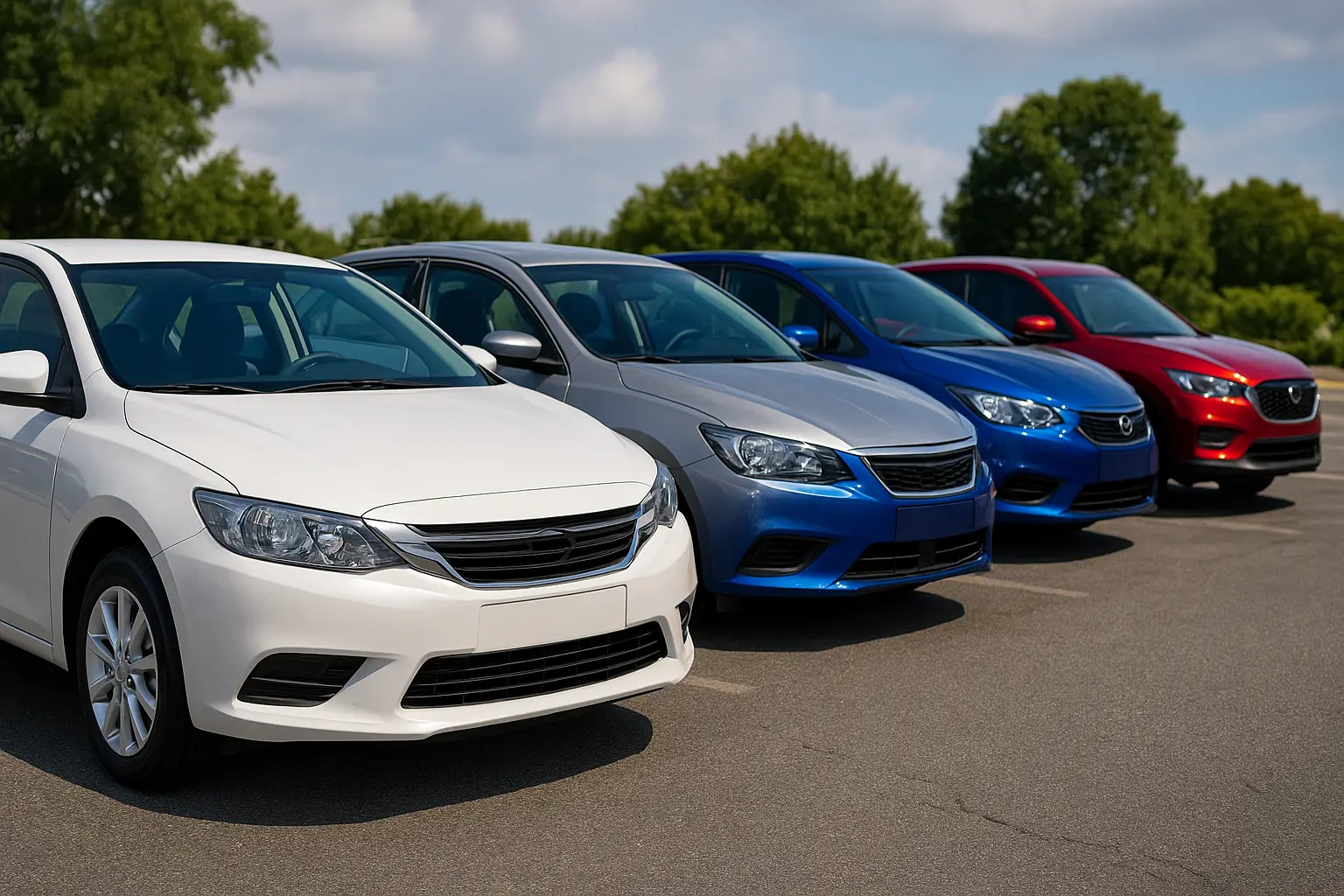
Car paint colour isn’t just about personal preference—it can influence resale value, insurance rates, maintenance costs, and even how often you wash your vehicle. In Australia, where harsh sunlight, coastal air, and bush conditions can all affect paint longevity, choosing the right shade is more important than many buyers realise.
Over the years, Australians have leaned towards practical colours like white, silver, and black, but new colour trends are emerging in 2025. More buyers are experimenting with blues, greens, and matte finishes, while manufacturers are introducing eco-friendly paints and advanced coatings.
This comprehensive guide will take you through:
The History of Car Paint Colours in Australia
Car paint trends have always been a reflection of broader cultural and economic factors.
In the 1980s and 1990s, bright reds and blues were more common as Australian carmakers like Holden and Ford emphasised sporty utes and sedans. By the 2000s, silver and grey took over as popular choices, seen as “modern” and “tech-inspired.”
The 2010s cemented white as Australia’s top colour, largely because it was seen as easy to maintain, reflective in heat, and safer on the road. Black and deep metallic shades appealed to luxury buyers, while practical drivers stuck to neutrals.
Today, buyers have more options than ever, with matte finishes, pearlescent tones, and dual-tone combinations entering mainstream models.
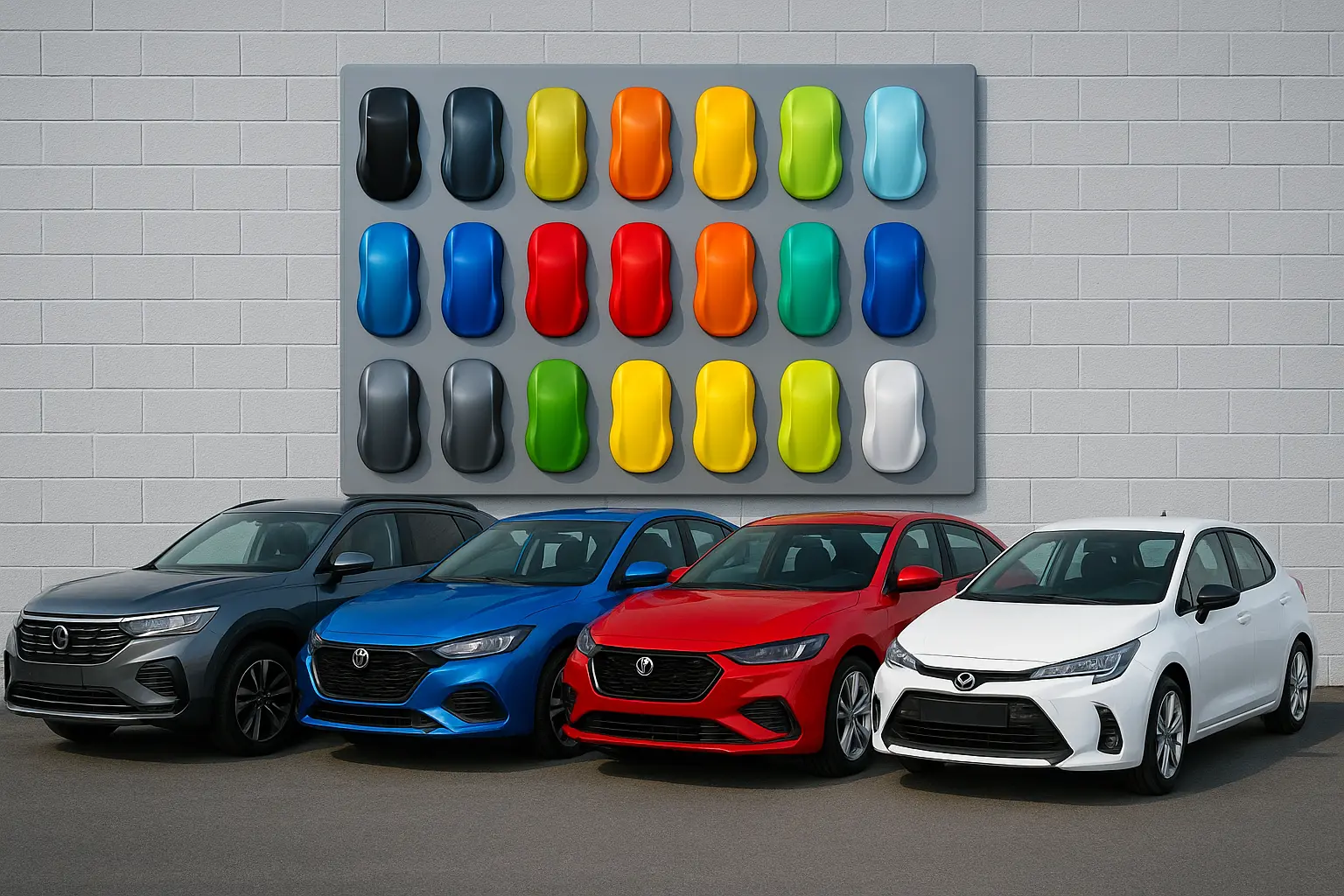
Most Popular Car Paint Colours in Australia
White
White remains the most popular choice for Australians year after year. It reflects heat better than darker colours, reducing cabin temperature during scorching summers. White cars are also easier to touch up after minor scratches and hold their value well in the used-car market.
Fleet buyers, rideshare drivers, and family buyers particularly prefer white because it blends practicality with long-term resale benefits.
Silver and Grey
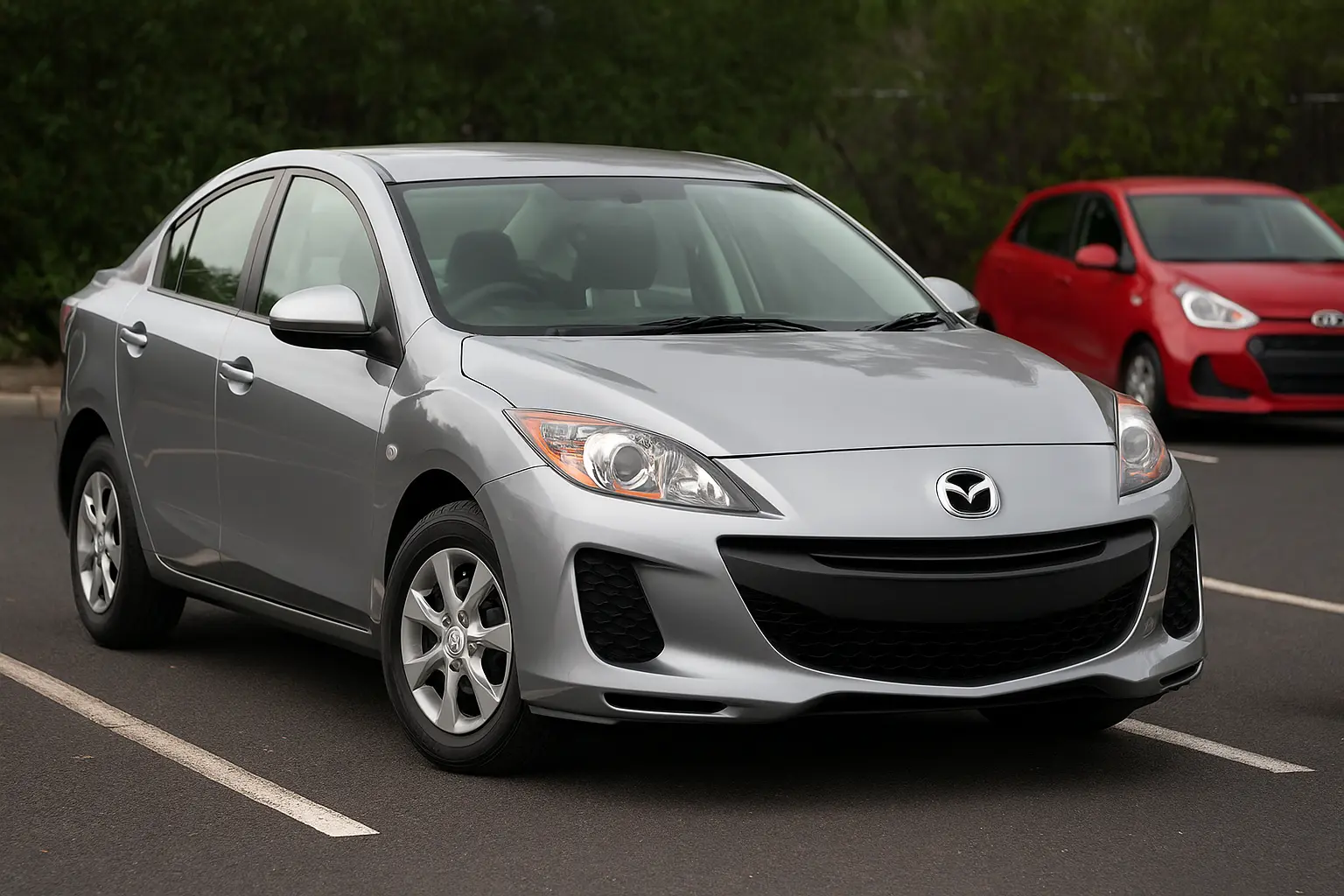
Silver and grey cars are viewed as sophisticated, modern, and low-maintenance. They hide dust and light scratches well, making them popular across both budget and luxury segments.
These shades are especially appealing for city dwellers who deal with stop-start traffic and frequent car washes.
Black
Black remains a classic, often associated with luxury sedans, performance SUVs, and premium brands. It’s a bold, stylish option but requires high maintenance. Black paint shows dirt, swirl marks, and sun damage faster than lighter colours—something Australian buyers in hotter states need to consider.
Blue
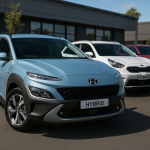
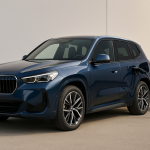
Blue shades have gained momentum in recent years. From bright sky blues on hatchbacks to deep navy on SUVs, it strikes a balance between unique styling and practical resale. Blue cars stand out without being too flashy, making them popular among younger buyers.
Red
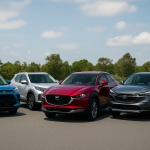
Red is a strong choice for sports cars, utes, and drivers wanting an eye-catching look. However, it tends to fade quicker in the Australian sun, meaning owners often need regular waxing or ceramic coatings to protect the finish.
Green
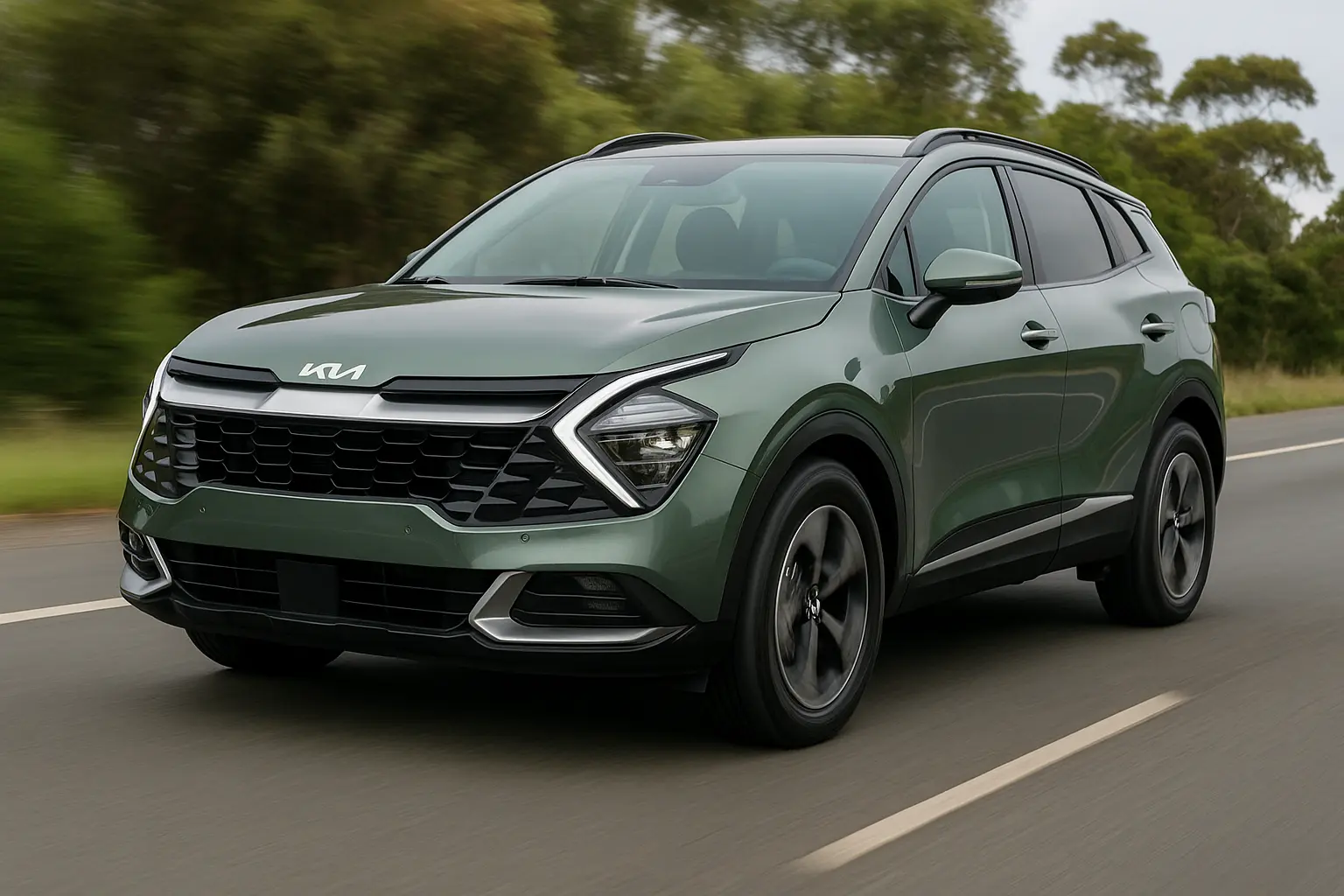
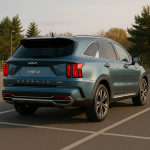
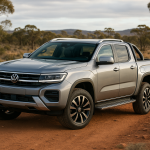
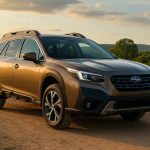
Once rare, green has made a comeback in earthy tones and metallic finishes. Brands like Toyota, Subaru, and Land Rover are reintroducing greens as adventurous, outdoorsy shades, appealing to off-road SUV buyers.
Other Unique Colours
Some Australians opt for bold yellow, orange, or purple—particularly among performance enthusiasts or custom car owners. These colours are less common, which can make them harder to resell, but they create a distinctive personality for the vehicle.
Car Paint Colour Trends in 2025
2025 is seeing a shift towards individuality and sustainability. Here are some standout trends:
- Matte and Satin Finishes: Popular on premium models, matte grey or satin black offers a sleek, futuristic appeal.
- Earth Tones: Greens, browns, and beiges are trending as SUV buyers seek “natural” tones for lifestyle vehicles.
- Two-Tone Paint Jobs: Hatchbacks and compact SUVs are being offered with contrasting roofs (e.g., white roof on a red car), giving a stylish city-car vibe.
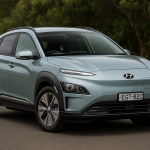
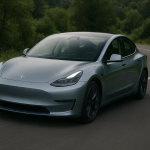
- Electric Car Colours: EVs often showcase bold futuristic palettes, including bright blues, metallic silvers, and unique shades to differentiate from petrol vehicles.
- Pearlescent Whites: More buyers are shifting from standard flat white to pearlescent or metallic whites for an extra premium touch.
How Car Colour Impacts Resale Value
When selling your car in Australia, colour can significantly affect resale.
- White, silver, and grey generally fetch the best resale values because they appeal to the widest buyer base.
- Black and dark blue cars may sell slightly slower due to maintenance concerns but retain strong appeal among premium buyers.
- Bright colours like red or yellow can limit buyer interest, meaning cars may take longer to sell.
- Rare colours may either help or hurt resale—sometimes a unique tone can attract niche enthusiasts, while other times it narrows the pool of interested buyers.
According to industry data, neutral colours tend to depreciate less than bold or experimental shades.
Maintenance and Practicality: Choosing Colours for Australian Conditions
Australia’s climate is tough on car paint, and certain colours hold up better than others.
- White and silver cars resist fading better under the sun and show fewer swirl marks.
- Black cars heat up quickly and reveal imperfections, requiring frequent detailing.
- Red and yellow paints are prone to sun fading without protective coatings.
- Blue and green tend to do well but still require regular waxing in coastal regions to prevent salt damage.
Modern protective options like ceramic coatings, paint protection films, and UV-resistant waxes are worth considering, especially if you own darker or vibrant coloured cars.
Insurance and Car Paint Colours
Though insurance premiums are mostly based on driver history and vehicle type, colour can play a subtle role. Some insurers have historically considered bright colours like red to be “higher risk” due to perceived sporty driving behaviour. While less common today, resale value and accident statistics by colour may still influence underwriting.
White and silver vehicles may attract slightly lower insurance quotes because they are more visible in low light and statistically safer.
Tips for Choosing the Right Car Paint Colour
- Think about resale: If you plan to sell within five years, stick to neutral shades like white, silver, or grey.
- Consider your lifestyle: Off-road adventurers might prefer greens or earthy tones, while city drivers may go for dark shades for style.
- Factor in maintenance: If you don’t have time for frequent detailing, avoid black and bright reds.
- Check climate impact: In hotter states, lighter colours are more practical.
- Personal expression: If you plan to keep the car long-term, go with the colour you love—even if resale isn’t optimal.
The Future of Car Paint Technology
Beyond just colour, paint technology is advancing rapidly:
- Self-healing paints are being tested, where scratches disappear with heat.
- Solar-reflective coatings can help reduce cabin heat in darker colours.
- Eco-friendly waterborne paints are replacing solvent-based versions to cut emissions.
- Smart paints that change shade under different lighting are already being explored for concept vehicles.
These innovations are likely to influence the way Australians choose car colours over the next decade.
Conclusion
Car paint colours in Australia are more than a style choice—they influence practicality, ownership experience, resale value, and even running costs. In 2025, neutral shades like white, silver, and grey remain dominant, but adventurous buyers are exploring blues, greens, and matte finishes.
Whether you’re buying your first hatchback, a family SUV, or a luxury EV, consider how your paint colour aligns with your lifestyle, climate, and long-term ownership goals. After all, your car’s colour is the first impression it makes—and in Australia’s diverse driving conditions, it’s a choice that can last years.

Leave a comment
Your email address will not be published. Required fields are marked *