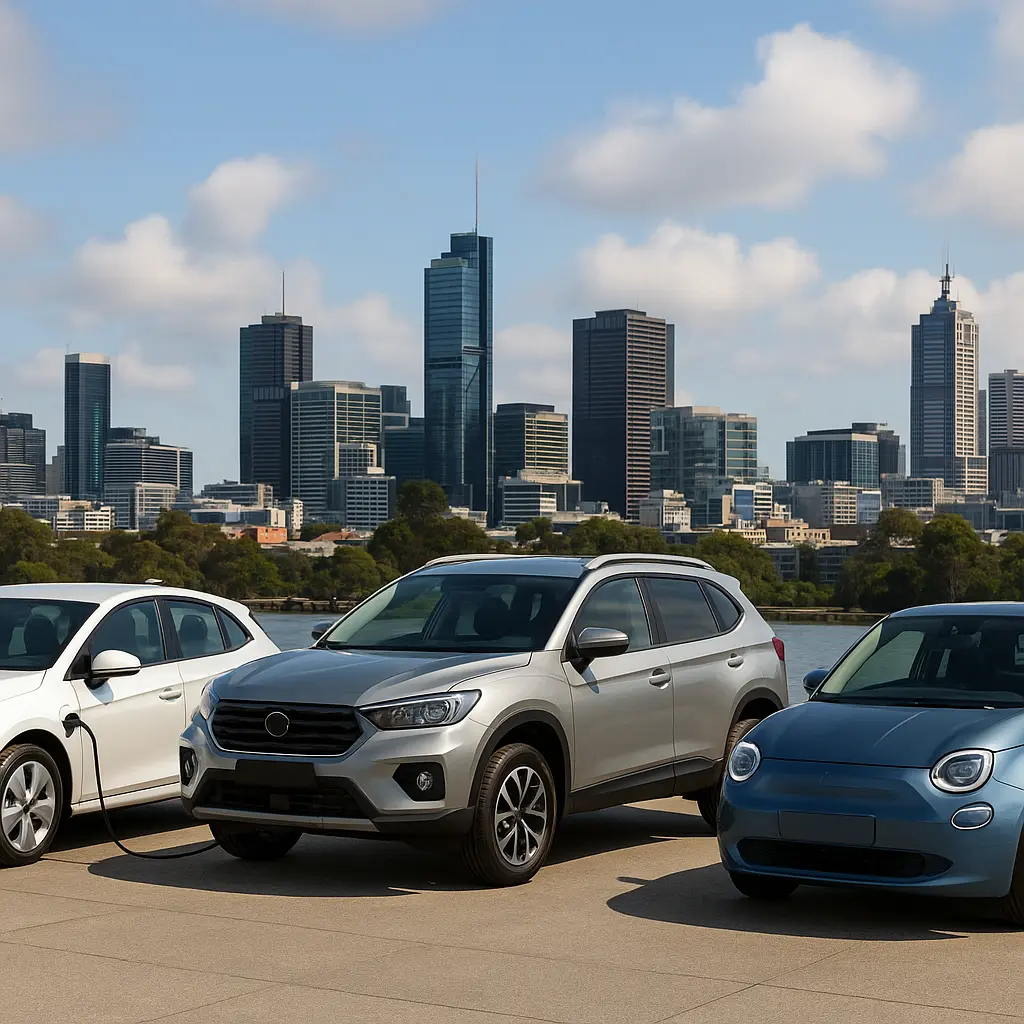
Owning a car has always been part of the Australian lifestyle. From weekend getaways on winding coastal roads to the daily commute in bustling city centres, cars are more than just transport—they’re freedom, convenience, and identity. But the way Australians think about car ownership is undergoing a radical transformation.
Several factors are driving these changes: the rise of electric vehicles (EVs), the growing popularity of car subscription models, government incentives, financial pressures, and shifts in lifestyle preferences. Australians are no longer simply asking “What car should I buy?” but also “Do I need to own one at all?”
This blog takes an in-depth look at the evolving trends in car ownership across the country, exploring EV adoption, car subscriptions, shared mobility, digital car services, and what the future of driving could look like in Australia.
EV Ownership in Australia: More Than a Trend
EV Adoption on the Rise
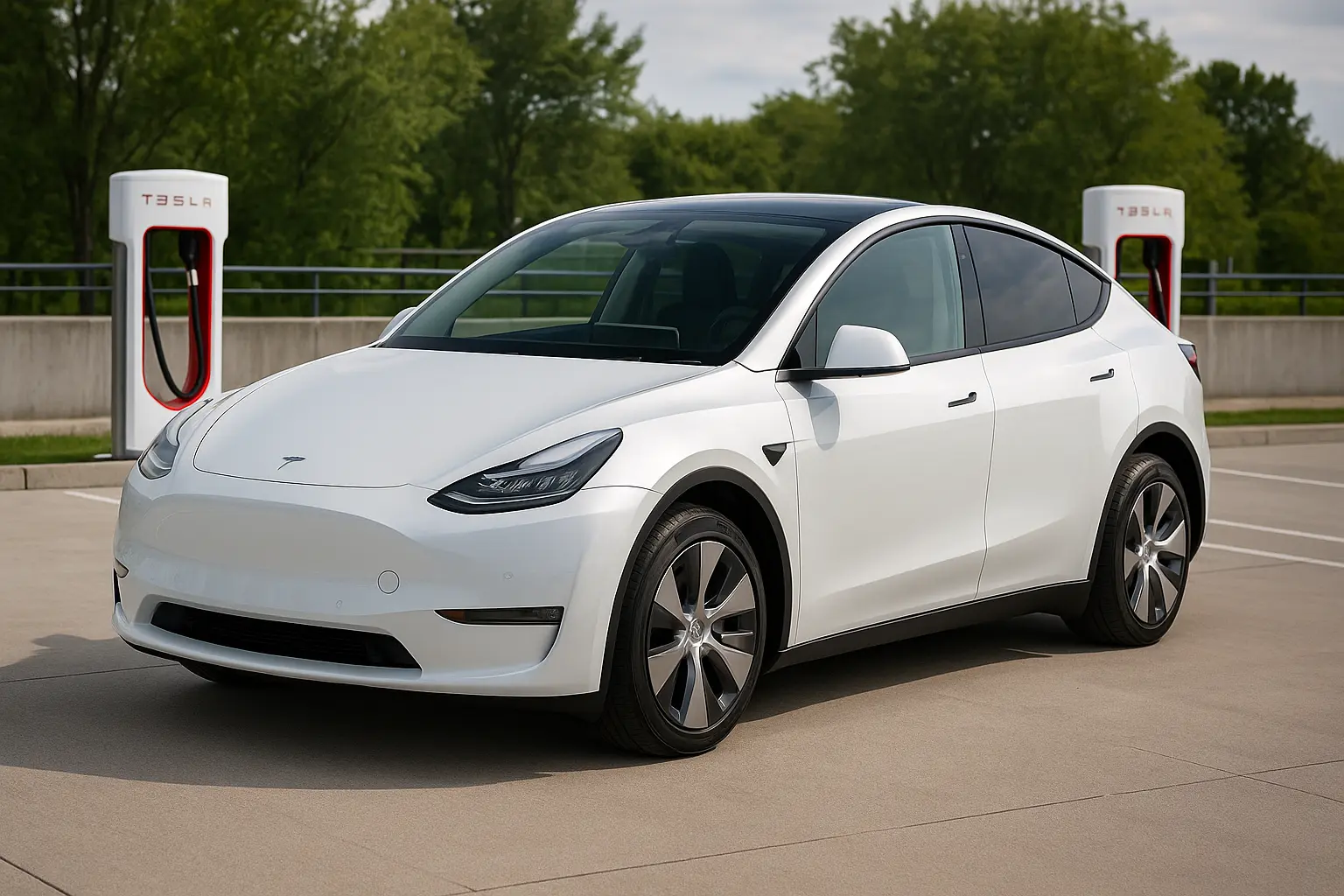
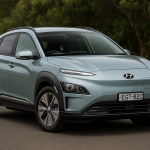
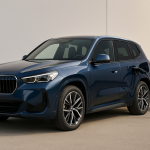
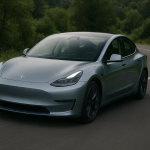
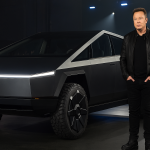
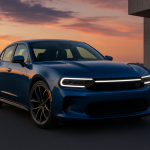
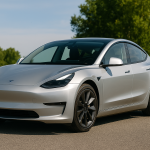
Australia has been slower than Europe, the US, and China in EV uptake, but momentum is growing quickly. New EV models with longer ranges, improved charging networks, and falling prices are making ownership more attractive. In 2025, almost every major manufacturer—Tesla, BYD, Hyundai, Kia, Toyota, and even luxury brands like BMW and Mercedes—has an EV option on sale in Australia.
For urban drivers, EVs now make sense: cheaper running costs, instant torque for city driving, and access to a growing number of public charging stations. Regional adoption is slower due to concerns about charging infrastructure, but this gap is narrowing.
Financial Incentives and Savings
Government policies and incentives have also supported adoption. Rebates on purchase prices, stamp duty reductions, and exemptions from certain road taxes make EVs financially viable. On top of that, charging at home with solar panels reduces running costs even further, appealing to eco-conscious Australians.
Lifestyle Shifts: Sustainability Matters
Car ownership is no longer just about horsepower or badge prestige—it’s about aligning with personal values. Younger generations, particularly millennials and Gen Z, are more inclined to see EV ownership as part of a sustainable lifestyle. Owning an EV has become a statement: it says you’re forward-thinking, environmentally responsible, and tech-savvy.
The Rise of Car Subscription Services
What Is a Car Subscription?
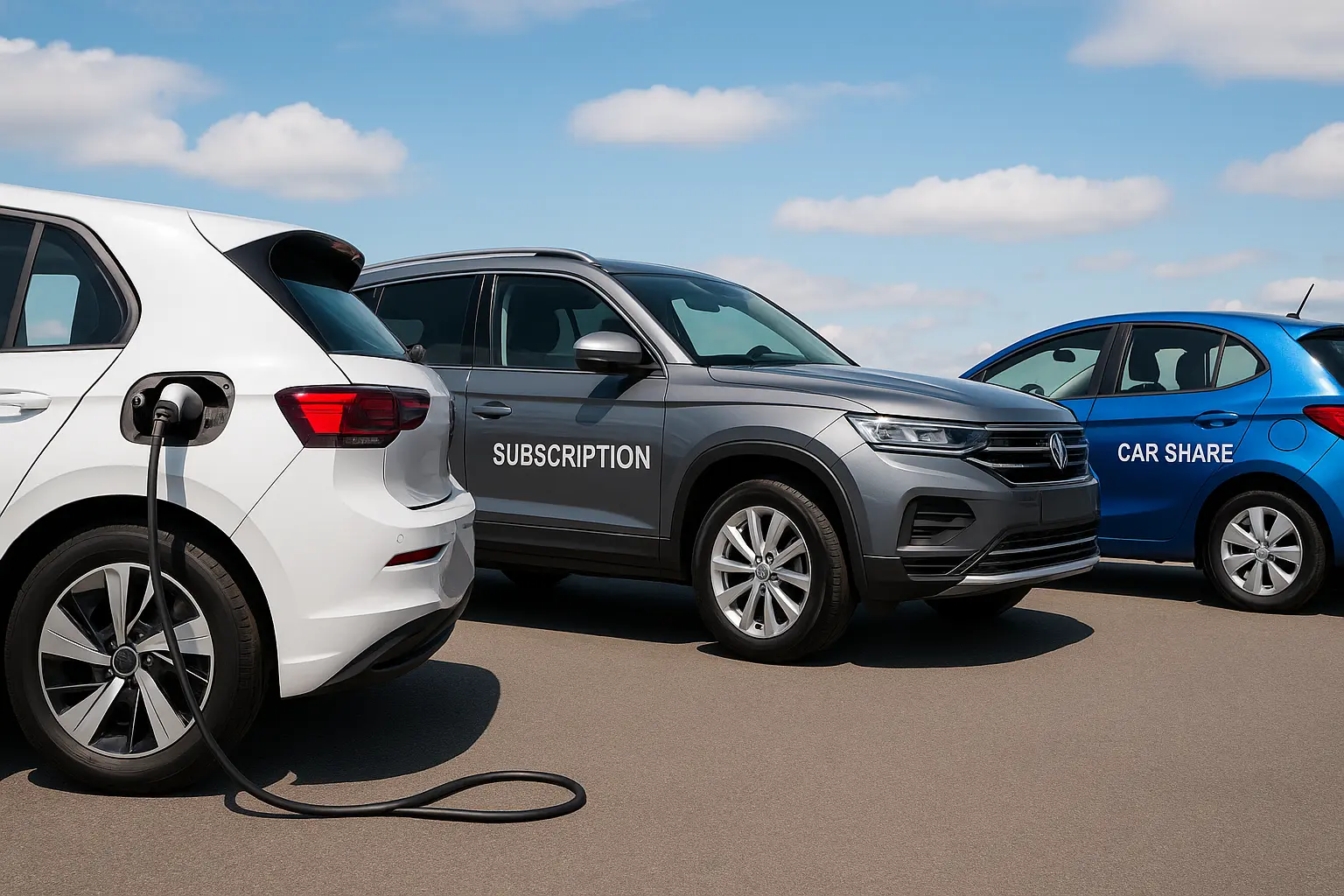
Car subscriptions are essentially the “Netflix of driving.” Instead of buying or leasing a car outright, you pay a monthly fee that covers the vehicle, insurance, maintenance, and often roadside assistance. Companies like Carbar, Carly, and Flexicar are pioneering this model in Australia.
Why Australians Are Considering Subscriptions
The appeal is flexibility. Traditional ownership comes with long-term commitments, but subscriptions let you swap cars based on lifestyle needs. One month you could drive a compact hatch for city commuting, the next a spacious SUV for a family holiday.
Subscriptions also simplify budgeting. There are no hidden costs like unexpected repairs or fluctuating insurance premiums. For younger Australians and city dwellers who may not want the financial burden of car ownership, this model is particularly appealing.
Challenges for Subscriptions in Australia
While growing, car subscriptions are still a niche compared to traditional ownership. Monthly fees can be higher than standard car loans in the long run, and availability of vehicles in regional areas is limited. However, as the model matures and competition increases, prices are expected to become more competitive.
Traditional Ownership vs. New Models
Financing and Insurance
Car finance is still the most common path to ownership in Australia, but the way people approach it is shifting. Instead of locking into five-year loans, many are considering shorter-term finance or exploring flexible ownership models. Insurance, too, is evolving with telematics-based policies, where premiums are influenced by actual driving behaviour.
Leasing
Business leasing remains popular, especially with EVs, thanks to tax advantages. For private owners, leasing is gaining traction for those who want the benefits of driving a new car without full ownership responsibilities.
Car Sharing and Ride-Hailing
Not every Australian needs a car 24/7. Services like GoGet, Uber Carshare, and Ola are reducing the need for individual ownership. In densely populated areas like Sydney and Melbourne, many young professionals now rely on shared mobility as a cheaper, more practical alternative.
Technology & Connectivity in Ownership
Cars are no longer just mechanical machines—they’re connected devices. This has major implications for ownership trends.
- Over-the-air updates: Tesla popularised it, but now many manufacturers push software updates to improve performance, add features, or fix issues without a dealership visit.
- App-based ownership: Remote locking, pre-conditioning cabins, and subscription-based in-car features are becoming normal.
- Data-driven services: Cars now collect driving and maintenance data, influencing how insurers set premiums and how owners maintain vehicles.
For Australians, this means ownership is less about physical control of a machine and more about managing a service ecosystem.
Generational Differences in Car Ownership
Baby Boomers and Gen X
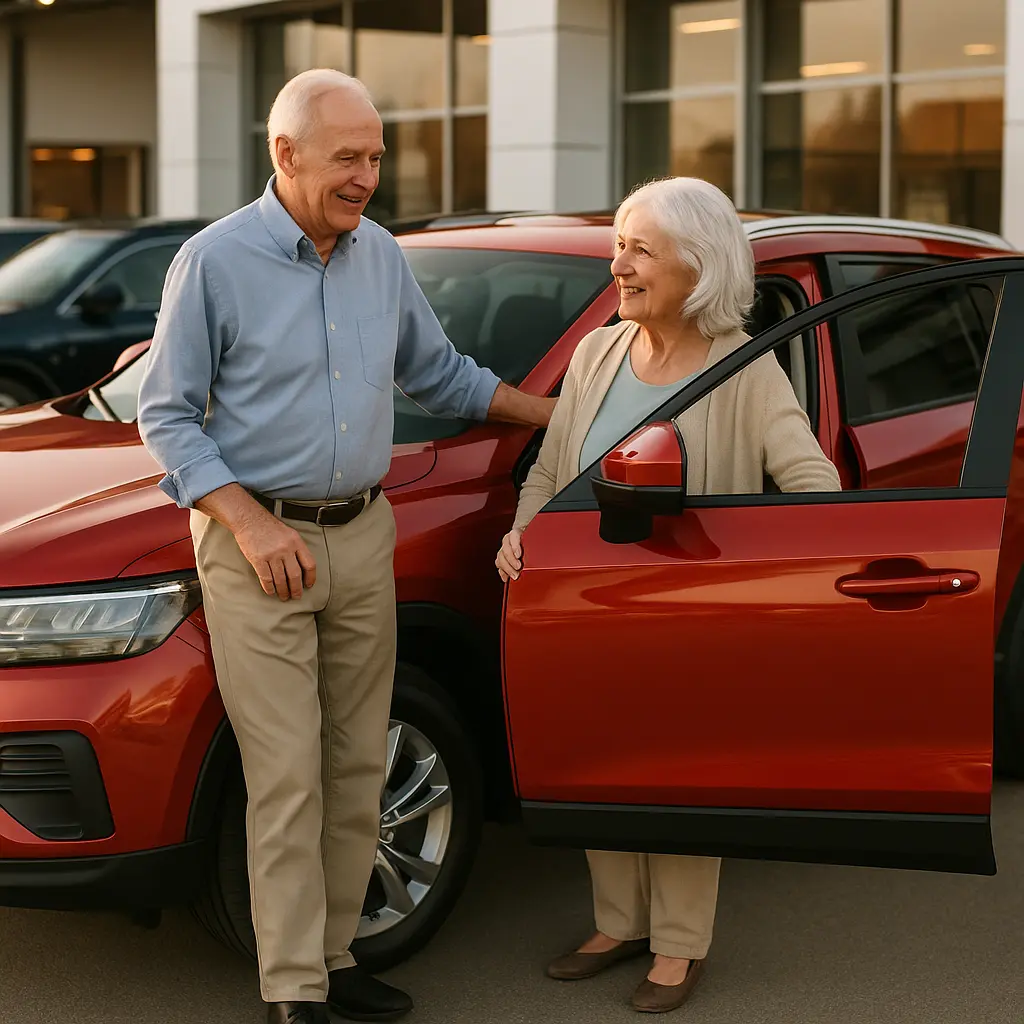
These generations tend to favour traditional ownership. They value long-term investment, brand loyalty, and often see cars as status symbols. Many own multiple vehicles, including SUVs, luxury sedans, and utes for work or recreation.
Millennials and Gen Z
Younger Australians are challenging the status quo. For them, flexibility trumps ownership. They are more open to subscriptions, EVs, and even ditching car ownership entirely in favour of ride-hailing and public transport.
For urban Gen Z in particular, the smartphone is more essential than the car. Cars must fit seamlessly into their digital lifestyles, offering connectivity and sustainable credentials.
The Financial Angle: Ownership Costs in 2025
Car ownership remains one of the largest household expenses in Australia. Rising interest rates, inflation, and fuel prices have made people reconsider whether buying a car is worth it.
- EVs vs. Petrol Cars: While EVs have higher upfront costs, they save thousands over time with lower fuel and maintenance expenses.
- Subscriptions vs. Buying: Subscriptions are more expensive month to month but provide peace of mind by bundling costs.
- Insurance Shifts: EVs may have higher premiums due to costly battery replacements, but technology is driving insurers to adapt.
For many Australians, the financial decision is no longer straightforward—it’s about balancing upfront affordability with long-term savings.
The Future of Driving in Australia
Autonomous Vehicles
While fully autonomous cars are still years away, advanced driver assistance systems (ADAS) are becoming mainstream. Features like lane-keeping, adaptive cruise control, and automated parking are shaping the way Australians interact with their cars.
EV Infrastructure Growth
Public charging stations are rapidly expanding, with major rollouts planned along highways and regional routes. This infrastructure growth will make EV ownership far more accessible in the next five years.
Shift from Ownership to Access
Perhaps the biggest trend is the psychological shift: Australians no longer see car ownership as a rite of passage. Instead, they’re moving toward “access models”—whether through subscriptions, sharing, or flexible leasing.
This aligns with global megatrends in mobility: sustainability, digitalisation, and urbanisation.
Conclusion: Redefining Car Ownership for a New Era
The Australian car ownership landscape is being redefined by EV adoption, subscription models, connected technologies, and shifting generational values. While traditional ownership still dominates, the future is moving towards flexibility, sustainability, and access over outright possession.
For car buyers and drivers, the choice is wider than ever: own, lease, subscribe, or share. Each option comes with its own advantages, and the “best” choice depends on lifestyle, finances, and values.
One thing is certain: the future of driving in Australia is dynamic, connected, and greener than ever before.

Leave a comment
Your email address will not be published. Required fields are marked *