
Car ownership in Australia isn’t cheap. Beyond the price of the car itself, ongoing costs like fuel, insurance, registration, servicing, and repairs add up fast. What makes things even more painful is when drivers spend money on maintenance that their cars don’t really need.
Car maintenance myths have been around for decades, passed down from parents, mechanics, and even old driving manuals. Some were once true, but advancements in modern engineering, fuel quality, and lubricants mean many are now outdated. Others were never true at all—yet they continue to cost Aussie drivers thousands of dollars each year.
In this guide, we’ll cut through the noise. You’ll learn which myths still hold up, which are a complete waste of money, and what modern car service advice you should actually follow.
Why Car Maintenance Myths Persist
Before diving into the myths, let’s look at why they survive:
- Tradition & habit: Many myths began when cars were less reliable, and some advice was necessary decades ago but not today.
- Mistrust of technology: Drivers often feel safer sticking to “old school” advice rather than trusting new materials and electronics.
- Service upselling: Some myths benefit businesses by encouraging extra work and products.
- Fear factor: Nobody wants their car breaking down, so owners over-maintain just in case.
The key is separating fact from fiction. So let’s bust the most common myths.
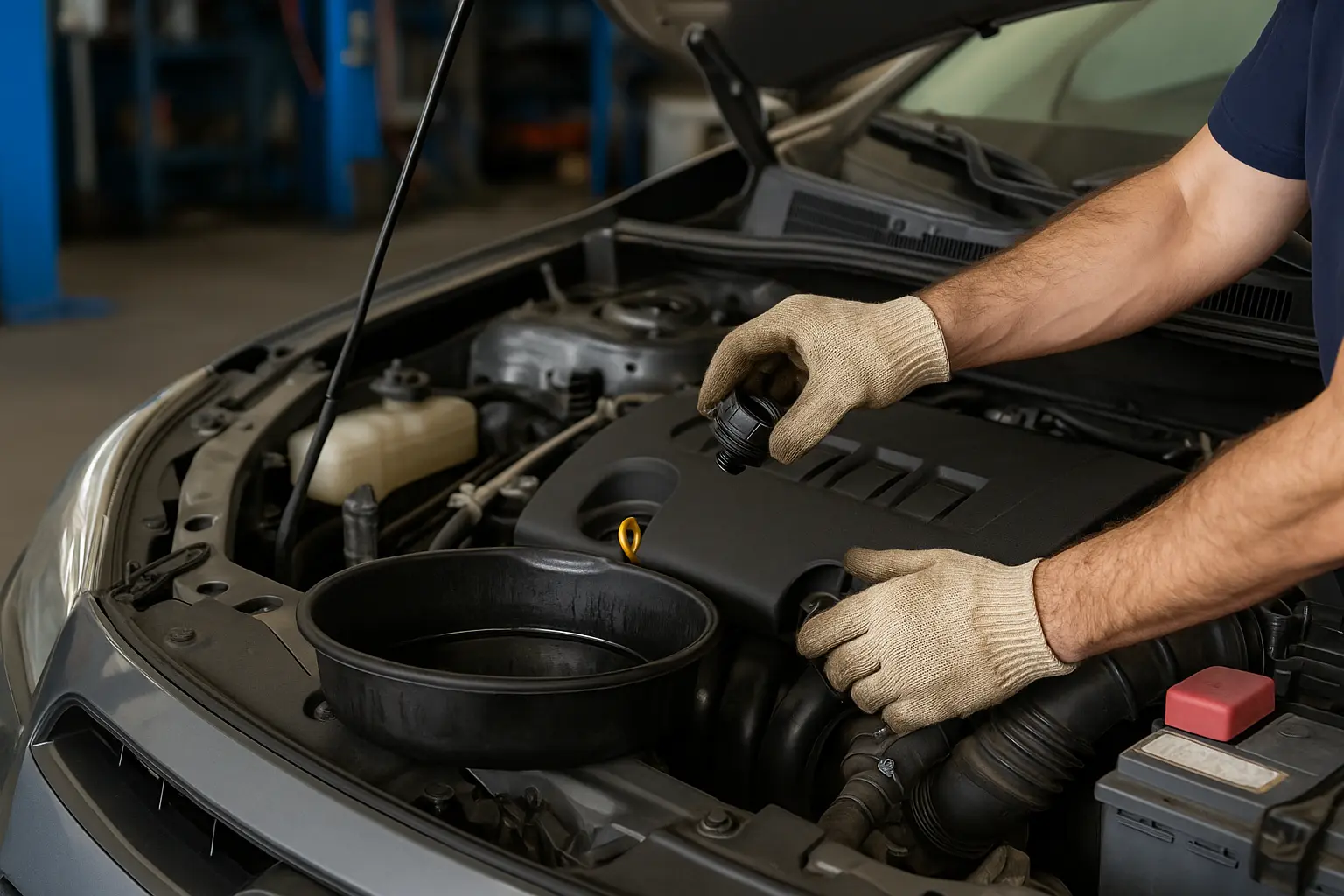
Myth 1: You Must Change Engine Oil Every 5,000 km
For decades, drivers were told to change oil every 5,000 km (or every three months). This advice made sense in the 1970s and 1980s when oils were less refined and engines were dirtier.
Reality Today:
- Modern synthetic oils last far longer—often 10,000–15,000 km between changes.
- Manufacturer recommendations in Australia commonly sit at 12,000–15,000 km.
- Changing oil too often is a waste of money and environmentally unfriendly.
When It Matters:
- If you tow heavy loads, drive in dusty areas, or make mostly short trips, more frequent changes may help.
- Always check the owner’s manual, not just what a mechanic says.
Verdict: Outdated. Follow manufacturer guidelines, not old rules of thumb.
Myth 2: Premium Fuel Makes Any Car Run Better
Fuel companies love this myth, and many drivers believe that 98-octane petrol automatically makes their car perform better than 91.
Reality Today:
- If your car is designed for 91 or 95 octane, using 98 won’t provide noticeable benefits.
- The engine’s ECU is tuned for a specific octane. If it doesn’t need higher octane, you’re just burning money.
- Premium fuel only makes sense in performance cars that require it (like many turbocharged engines).
When It Matters:
- If your manual says “premium fuel required,” always follow it.
- If it says “premium recommended,” you might notice slight improvements in efficiency or performance—but not enough to justify the cost for everyday driving.
Verdict: Myth for most cars. Check the handbook before wasting money.
Myth 3: Warm Up Your Car for Several Minutes Before Driving
Older carbureted engines needed time to warm up before driving, especially in cold climates. Many Aussie drivers still idle their cars unnecessarily.
Reality Today:
- Modern fuel injection systems adjust automatically, so extended idling is unnecessary.
- Idling wastes fuel, increases emissions, and can wash oil off cylinder walls.
- The best way to warm up is to drive gently for the first 5–10 minutes.
Verdict: Outdated. Start, wait a few seconds, then drive.
Myth 4: Air Conditioning Shouldn’t Be Used Often Because It Wears Out the System
Plenty of drivers avoid using the AC, worried it will break down faster.
Reality Today:
- Regular use actually helps the system stay healthy by circulating refrigerant oil, which lubricates seals.
- Not using AC for months can cause seals to dry and leak.
- Modern compressors are built to handle constant cycling.
Verdict: Myth. Use your AC regularly—it’s better for the system.
Myth 5: You Must Replace Tyres in Pairs or All Four
Some mechanics insist on replacing at least two tyres at once.
Reality Today:
- If one tyre is damaged and the others have plenty of tread left, you can replace just one.
- However, tyres must always match in size, speed rating, and load rating.
- For AWD vehicles, tread depth differences can damage the drivetrain, so matching pairs (or full sets) are more important.
Verdict: Depends on vehicle type. For most cars, one tyre replacement is fine if matched correctly.
Myth 6: Brake Fluid Never Needs Changing
Some owners think brake fluid lasts forever because it looks fine at a glance.
Reality Today:
- Brake fluid absorbs moisture over time, reducing its boiling point and risking brake fade.
- Most manufacturers recommend changing every 2 years.
- Ignoring this can lead to spongy brakes or complete failure in emergencies.
Verdict: Dangerous myth. Regular brake fluid replacement is essential.
Myth 7: Red Coolant Is Always Better Than Green
Coolant colour is often misunderstood. Many believe red equals high-performance.
Reality Today:
- Colour only identifies the chemical formulation, not quality.
- Mixing types can cause corrosion or sludge.
- The only coolant that matters is the one specified in your owner’s manual.
Verdict: Misleading. Always follow manufacturer specifications.
Myth 8: Wash Your Car with Dishwashing Liquid
Plenty of Aussies reach for dishwashing liquid, thinking “soap is soap.”
Reality Today:
- Household detergents strip protective wax and damage clear coat.
- They’re too harsh for automotive finishes.
- Use pH-balanced car shampoo instead.
Verdict: Myth. Dishwashing liquid shortens paint life.
Myth 9: You Need to Service at the Dealership to Keep Warranty
This myth benefits dealerships but not consumers.
Reality Today:
- In Australia, you can service your car at any licensed mechanic and still keep warranty valid.
- The key requirement is using manufacturer-approved parts and fluids.
- Independent workshops often charge less for the same service.
Verdict: Myth. You’re free to choose your mechanic.
Myth 10: Bigger Batteries Give Better Performance
Some believe upgrading to a larger car battery boosts performance.
Reality Today:
- Batteries supply starting power and stabilise electrical systems; they don’t increase horsepower.
- Installing a bigger battery won’t improve acceleration or handling.
- Stick to the manufacturer’s recommended size.
Verdict: Myth. Bigger isn’t better here.
Myth 11: Engine Flushes Are Always Necessary
Mechanics often upsell engine flush services during oil changes.
Reality Today:
- For most modern engines, high-quality oil and regular changes prevent sludge.
- Engine flushes can loosen deposits and clog oil passages if not needed.
- They may help in neglected engines, but aren’t routine maintenance.
Verdict: Mostly a waste of money. Use only in specific cases.
Myth 12: Tyre Pressure on the Sidewall Is the Correct Setting
Some drivers inflate tyres to the maximum PSI listed on the sidewall.
Reality Today:
- The sidewall shows the maximum pressure the tyre can handle—not the recommended setting.
- Correct pressures are on your door jamb sticker or manual.
- Over-inflation causes harsh rides and uneven wear.
Verdict: Myth. Always use vehicle recommendations.
Myth 13: Rust Proofing Is Essential for Every Car
Many dealerships push aftermarket rust protection.
Reality Today:
- Modern cars already come with excellent factory rust protection.
- Additional treatments may be useful for beachside living or frequent off-road driving, but not for most city drivers.
- Over-application can even trap moisture.
Verdict: Mostly unnecessary unless in extreme environments.
Myth 14: Changing Automatic Transmission Fluid Isn’t Needed
Plenty of drivers think transmission fluid lasts forever.
Reality Today:
- Heat and friction break down fluid over time.
- Manufacturers specify intervals, often every 60,000–100,000 km.
- Ignoring it risks costly transmission rebuilds.
Verdict: Dangerous myth. Transmission fluid service is vital.
Myth 15: A Dirty Car Runs Worse
Some say dirt increases weight or reduces aerodynamics enough to hurt fuel economy.
Reality Today:
- The effect is negligible.
- However, dirt can damage paint, leading to rust.
- Clean cars look better and maintain resale value, but performance impact is minimal.
Verdict: Exaggerated. Wash for appearance, not efficiency.
Practical Car Care Tips That Actually Matter
Now that we’ve busted the myths, here’s advice that really works:
- Follow the service schedule in your handbook.
- Use quality fluids and filters.
- Check tyres monthly for pressure and wear.
- Replace wiper blades yearly.
- Drive smoothly—aggressive driving increases wear.
- Keep records of all services to boost resale value.
The Bottom Line
Car maintenance myths are expensive, misleading, and sometimes dangerous. Modern vehicles are built with advanced technology and require far less “old school” care than most people think.
The best approach for Aussie drivers is simple:
- Trust your manufacturer’s guidelines.
- Avoid unnecessary extras.
- Maintain consistently, not excessively.
By ignoring myths and focusing on proven car care advice, you’ll save money, extend your car’s life, and enjoy peace of mind on the road.

Leave a comment
Your email address will not be published. Required fields are marked *