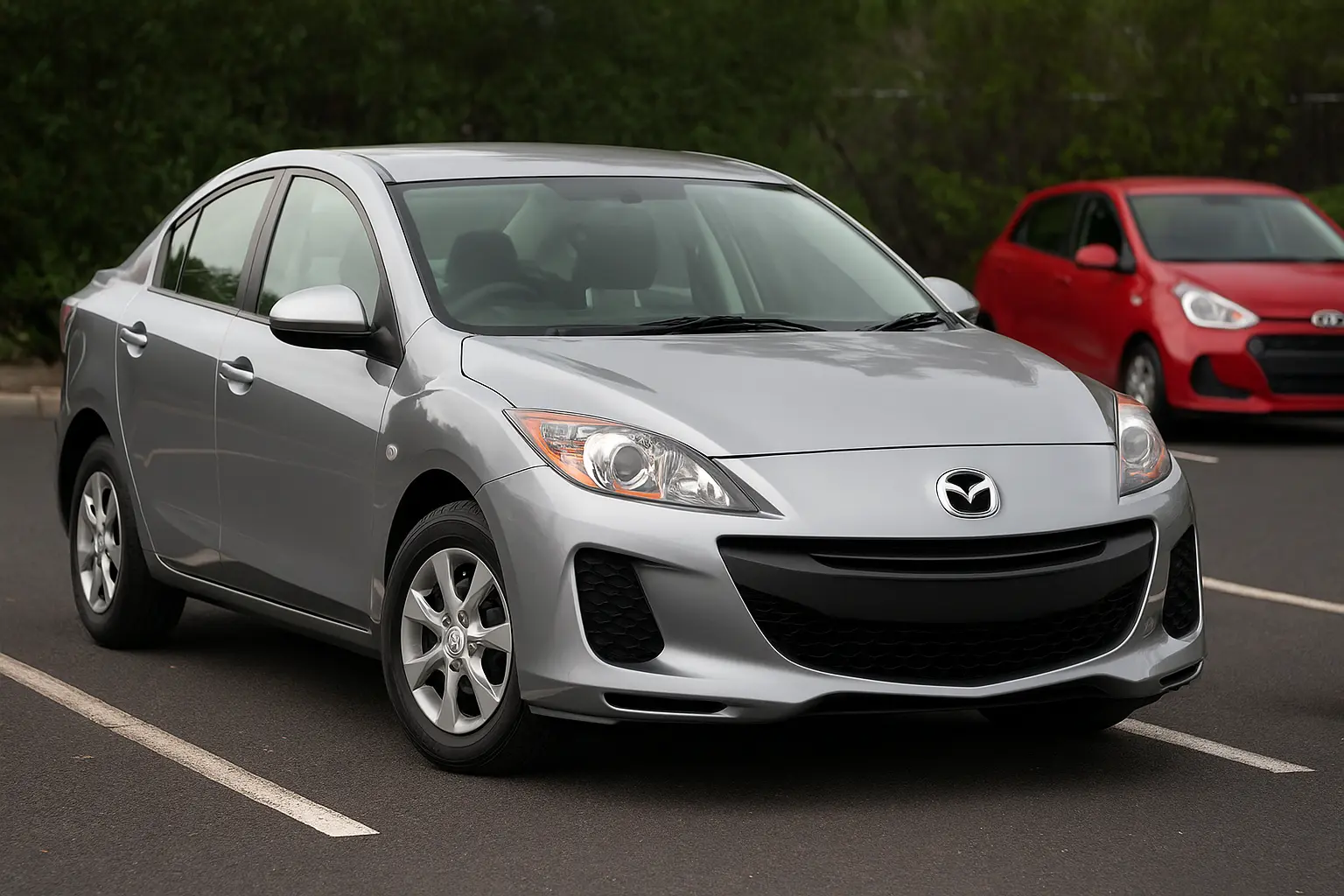
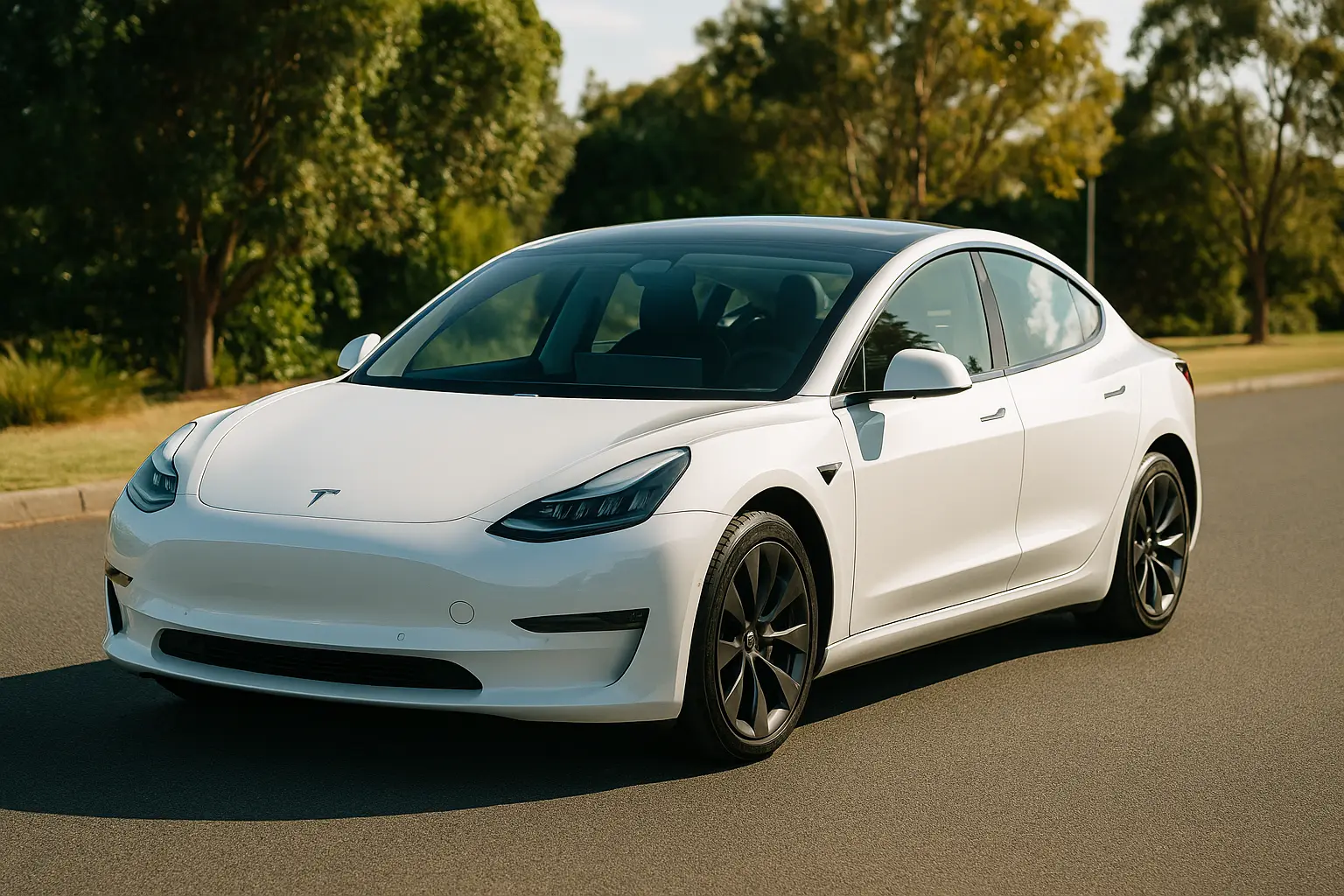
Buying a car in Australia often comes with one big decision beyond the make and model: how to finance it. With car prices climbing and the Reserve Bank of Australia (RBA) adjusting interest rates frequently, car loan costs can significantly affect your budget. Understanding car loan interest rates in Australia, knowing how they’re set, and spotting the best options can save you thousands of dollars over the life of the loan.
This blog takes a deep dive into current car finance trends, interest rate factors, lender options, and practical saving tips so you can confidently navigate the world of car loans.
Understanding Car Loan Interest Rates
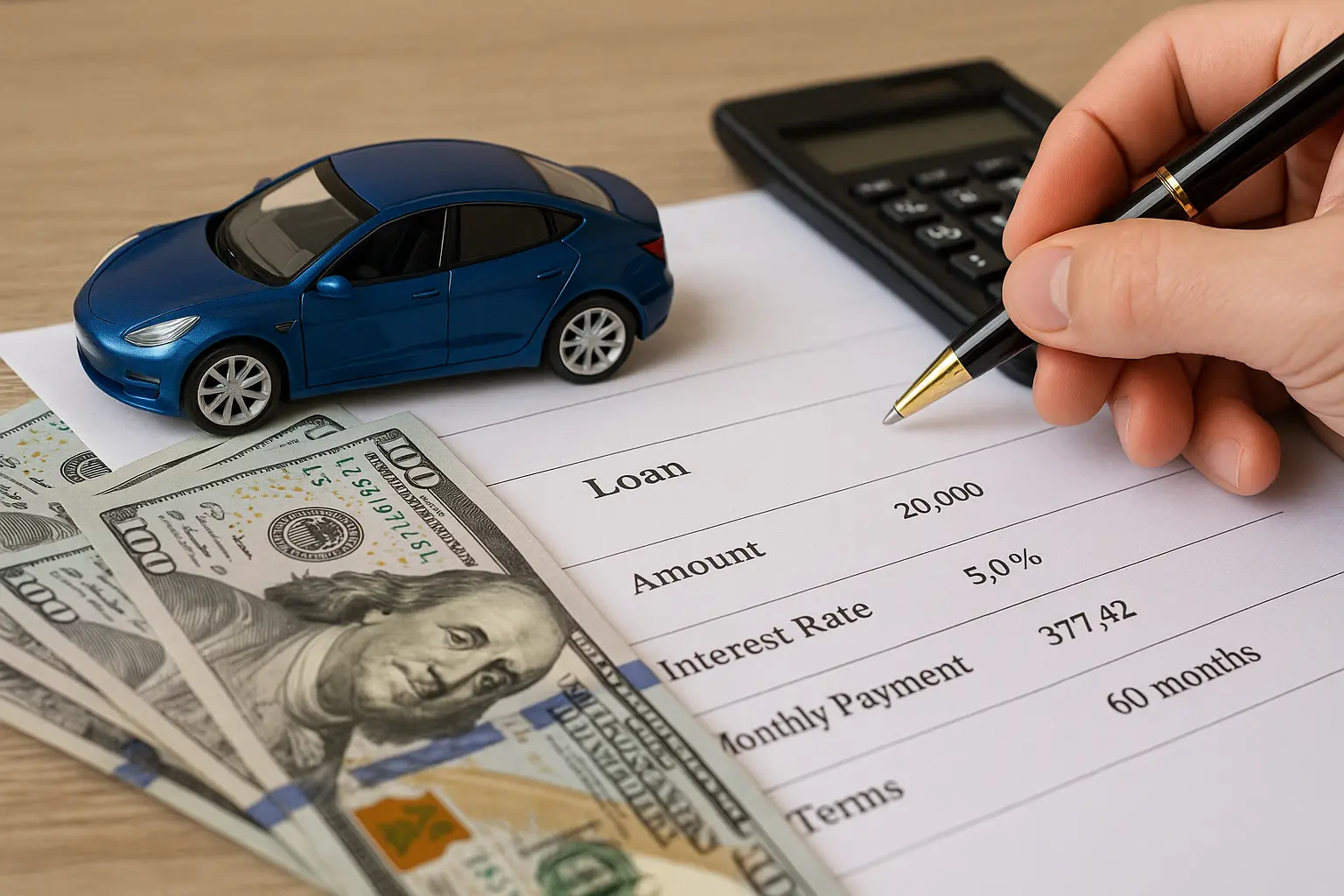
Car loan interest rates represent the percentage a lender charges you annually for borrowing money to purchase your vehicle. These rates can vary depending on factors like your credit score, the lender, loan type, and whether the car is new or used.
- Fixed rate loans lock in your repayment schedule, providing stability.
- Variable rate loans can fluctuate with economic changes, sometimes saving you money but adding unpredictability.
- Secured car loans typically come with lower rates since the car itself acts as collateral.
- Unsecured personal loans for cars usually carry higher interest rates because they’re riskier for lenders.
In Australia, the difference between the cheapest and most expensive loan can be significant — a small percentage change in interest adds up across thousands of borrowed dollars.
Current Trends in Car Loan Rates in Australia
The car finance market is heavily influenced by economic conditions. Here’s what’s shaping rates in 2025:
- RBA Cash Rate Influence: Since mid-2022, the RBA has raised and adjusted the cash rate to control inflation. Car loan rates typically rise in response.
- New Car Prices: Supply chain issues and high demand have kept vehicle prices strong, leading to higher borrowing needs.
- Rise of Electric Vehicles (EVs): Some lenders now offer green car loans with discounted interest rates for EVs and hybrids, supporting Australia’s shift to sustainable transport.
- Increased Competition Among Lenders: Traditional banks, credit unions, and online lenders are competing more aggressively, with comparison sites driving transparency.
- Shift Toward Flexible Terms: Borrowers are seeking loans with redraw facilities, balloon payments, or extra repayment options for flexibility.
Factors That Affect Your Car Loan Rate
Your loan rate isn’t random — lenders weigh several personal and financial details before setting it:
- Credit score: Strong credit history leads to better rates.
- Employment status: Stable income reassures lenders.
- Loan amount and term: Shorter loans generally attract lower interest rates.
- Car type and age: New cars typically get lower rates compared to used ones.
- Deposit size: A larger deposit can help reduce the risk for lenders and lower your rate.
Comparing Lender Options
Australians have a wide choice when it comes to lenders. Each comes with advantages and disadvantages:
Banks
- Generally reliable and secure.
- Often provide competitive rates for existing customers.
- Can be stricter with approval requirements.
Credit Unions & Mutual Banks
- Member-focused, sometimes offering lower rates.
- Smaller product range compared to big banks.
Online Lenders & Finance Companies
- Fast applications, digital-first approach.
- Competitive rates, but customer service varies.
Dealership Finance
- Convenient since you can apply directly at the car yard.
- May come with higher rates or hidden fees despite “0% finance” offers.
Best Options for Cheap Car Loans in 2025
While rates constantly shift, here’s what’s trending in 2025 for Australian borrowers:
- Green car loans: Discounts up to 1–2% for EVs or hybrids.
- Low-rate online lenders: Streamlined processes mean lower costs passed to borrowers.
- Credit union offers: Some regional credit unions remain competitive for everyday buyers.
- Manufacturer-backed finance deals: Brands like Toyota, Hyundai, and Kia sometimes bundle incentives for new car buyers.
Hidden Costs Beyond the Interest Rate
Many buyers focus only on the interest rate, but other charges add to the total cost of borrowing:
- Establishment fees
- Ongoing monthly fees
- Early repayment penalties
- Balloon payments at the end of the term
Understanding the comparison rate (which includes most fees) is key to evaluating the true cost of a loan.
Saving Tips for Lower Car Loan Costs
There are several smart strategies to cut down your overall loan expenses:
- Improve your credit score before applying.
- Save for a bigger deposit to reduce the amount borrowed.
- Choose a shorter loan term if affordable.
- Shop around and negotiate with lenders.
- Consider pre-approval so you can negotiate with confidence at dealerships.
- Make extra repayments where allowed, to shorten your loan period and reduce interest paid.
Impact of EV and Green Loan Options
With Australia’s EV adoption accelerating, lenders are incentivising green car purchases. This means lower rates and special deals for buyers of Teslas, BYDs, Hyundais, and other EVs. Not only does this save money, but it also supports eco-conscious drivers aiming to reduce emissions.
Car Loan Trends to Watch
- Digital Lending Growth: Expect faster approvals and app-based management.
- Increased EV Loan Products: More banks offering tailored finance packages for electric cars.
- Pressure from BNPL and Alternative Finance: Flexible, smaller credit products are entering the auto space.
- Stricter Regulation: To protect borrowers, regulators may introduce tighter rules around comparison rates and transparency.
Practical Example: How Much Can Interest Rates Cost You?
If you borrow $40,000 over 5 years:
- At 6% interest, your repayments are about $773/month.
- At 9% interest, repayments rise to around $830/month.
That’s an extra $3,400 over the loan term — proof of why chasing a better rate is worth your time.
Should You Consider Refinancing?
If you took out a loan a few years ago when rates were higher, refinancing might save you money. Many Australians refinance to:
- Secure a lower interest rate.
- Adjust the loan term.
- Switch from a balloon payment structure.
- Bundle multiple debts into one.
Checklist Before Applying for a Car Loan
- Review your budget and borrowing capacity.
- Check your credit report.
- Compare at least 3 lenders.
- Read the fine print, including fees.
- Decide between fixed or variable rate.
- Consider the benefits of pre-approval.
Conclusion
Car loan interest rates in Australia are constantly shifting with economic trends, lender competition, and consumer demands. By understanding how rates work, staying updated on the latest finance trends, and following smart saving strategies, you can ensure you’re not overpaying on your next car.
Whether you’re buying your first hatchback, upgrading to a family SUV, or investing in a cutting-edge EV, the right loan choice can save thousands and make car ownership far more affordable.

Leave a comment
Your email address will not be published. Required fields are marked *