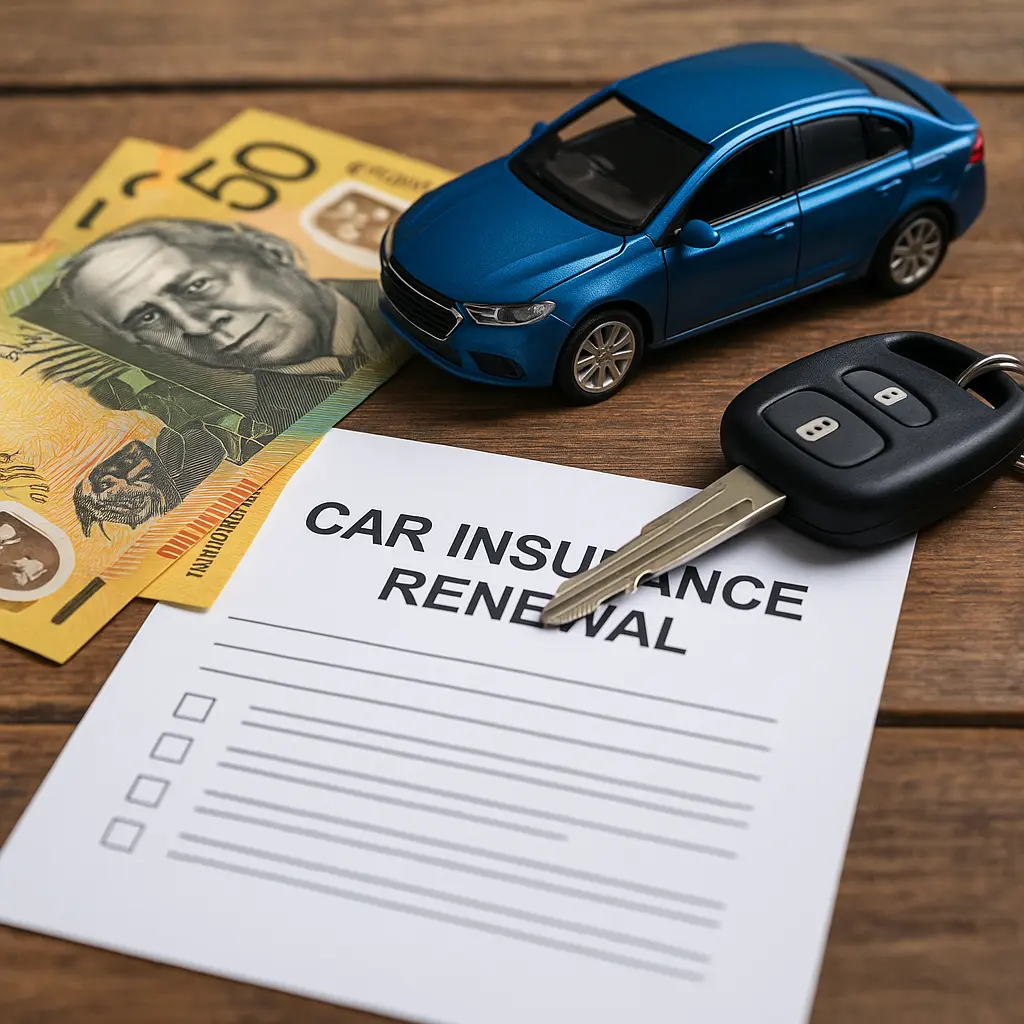
Renewing your car insurance might seem like just another annual task, but in Australia’s ever-changing insurance landscape, it’s one of the most important decisions you’ll make each year as a vehicle owner. With premiums constantly shifting and insurers introducing new coverage options, your renewal is a golden opportunity to save money, boost coverage, and ensure you’re protected for the year ahead.
Whether you drive a compact hatchback, a family SUV, or a powerful ute, your insurance renewal shouldn’t be a “set and forget” process. This guide breaks down everything you need to know about renewing your car insurance in Australia, comparing policies, understanding excess, and avoiding hidden traps.

Understanding the Basics of Car Insurance in Australia
Before diving into renewal strategies, it’s important to understand how car insurance works in Australia. There are four main types of cover:
1. Compulsory Third Party (CTP):
CTP is legally required in every state and territory. It covers personal injury to others if you cause an accident but doesn’t cover damage to vehicles or property. It’s included in your vehicle registration in most regions.
2. Third Party Property Damage:
This type of policy covers damage you cause to another person’s car or property but not your own vehicle.
3. Third Party, Fire, and Theft:
Adds protection for your car if it’s stolen or damaged by fire, alongside third-party property coverage.
4. Comprehensive Insurance:
The most extensive coverage—protecting your vehicle and others’, regardless of who’s at fault. It’s ideal for newer or higher-value cars.
Understanding these basics helps you determine if your current coverage still suits your driving needs, lifestyle, and budget.
Why Renewal Time Is the Best Time to Reassess
Most Australian drivers renew their car insurance automatically without reviewing their policy. That’s where many overpay or miss better coverage.
When your renewal notice arrives—usually about four to six weeks before your policy expires—it’s time to reassess your situation. Consider the following:
- Have your driving habits changed (less commuting, more work-from-home)?
- Has the value of your car depreciated?
- Have you installed new safety features or moved to a different postcode?
- Have you added an additional driver or upgraded your vehicle?
All these changes can influence your premium, sometimes significantly. Treat renewal as a chance to update your insurer and negotiate a better deal.
Top Car Insurance Renewal Tips to Save Money
Here’s how to make the most of your car insurance renewal and ensure you’re getting genuine value for money.
Compare Before You Commit
Never auto-renew without comparing quotes. Even if your current provider seems affordable, Australian car insurance premiums vary widely between companies.
Use comparison tools or manually check at least three different insurers for similar coverage levels. You might find hundreds of dollars’ difference for the same protection.
Don’t Be Afraid to Negotiate
Insurers want to retain customers. If you find a cheaper quote elsewhere, call your existing provider and ask them to match or beat it. Many will offer a loyalty discount or review your policy to lower your renewal cost.
Reevaluate Your Excess
Your excess (the amount you pay when you make a claim) has a big impact on your premium. Increasing your excess slightly can reduce your annual premium—but only do this if you’re confident you could afford it in an emergency.
Check for Unnecessary Add-ons
Extra features like roadside assistance, windscreen cover, or rental car options can add convenience but may not always be necessary. Evaluate whether you really need these extras or if they duplicate other memberships (like NRMA or RACV roadside cover).
Maintain a Clean Driving Record
Insurers reward safe drivers. Avoiding claims, speeding fines, and traffic infringements can help reduce your risk profile and lead to lower premiums over time.
Bundle Your Policies
If you have multiple insurance products—like home, contents, or another vehicle—bundling them with the same insurer often unlocks discounts ranging from 5% to 15%.
Review Agreed vs. Market Value
At renewal, you can choose whether your car is insured for an agreed value (a fixed amount you and your insurer set) or market value (what your car is worth at claim time).
Agreed value provides certainty but can be more expensive. If your car has depreciated significantly, switching to market value can save money without major downside.
Ask About Driver Restrictions
If you’re the only driver or if everyone using your car is over 25, restricting your policy to exclude younger or unlisted drivers can cut costs.
How to Compare Car Insurance Policies Effectively
Comparing car insurance in Australia isn’t just about the price—it’s about value for coverage. When assessing quotes, consider:
Coverage Inclusions and Exclusions
Read the Product Disclosure Statement (PDS) carefully. Some low-cost policies exclude things like storm damage, theft, or vandalism. Always check for:
- Towing and emergency accommodation
- Hire car after accident or theft
- Windscreen coverage
- New-for-old replacement (for newer cars)
- Unlisted driver excess
Customer Service and Claims Process
A cheap policy is worthless if it’s painful to make a claim. Check customer reviews or insurer ratings for claim satisfaction and response time. Look for insurers that offer online claim tracking and 24/7 support.
Repair Network and Choice of Repairer
Some insurers require you to use their approved repairers. If you prefer your own trusted mechanic or body shop, ensure your policy includes choice of repairer.
Pay Annually, Not Monthly
Paying your premium annually can save up to 10% compared to monthly installments. If you can afford the lump sum, it’s an easy win.
No-Claim Discounts
Many insurers offer a no-claim bonus for each year you don’t make a claim. This can add up to 30–50% off premiums over time. Ensure your new policy includes this feature or transfers your existing discount.
Common Mistakes Drivers Make During Renewal
Even experienced car owners can overlook key details when renewing. Avoid these traps:
- Assuming auto-renewal equals best price: Insurers rarely give existing customers their best deals.
- Ignoring policy updates: Insurers often tweak terms; small changes can affect coverage or excess amounts.
- Not disclosing changes: Failing to update your address, vehicle modifications, or new drivers can lead to claim denial.
- Choosing the cheapest premium only: Lower premiums often come with higher excess or limited coverage.
- Missing renewal deadlines: A lapse in coverage can leave you uninsured, even for a day.
How Your Driving Habits Influence Renewal Premiums
Insurance pricing is risk-based. Insurers calculate your premium based on how likely you are to make a claim. Your renewal may increase or decrease depending on factors such as:
- Annual mileage: Fewer kilometres often mean cheaper premiums.
- Vehicle usage: A car used for business purposes costs more to insure than one used only for personal errands.
- Parking location: Garaging your car overnight instead of parking on the street reduces theft risk.
- Safety technology: Features like autonomous braking, lane assist, and blind-spot monitoring lower accident probability and may earn discounts.
Modern vehicles, especially hybrids and EVs, also influence premiums differently because of higher repair costs but lower accident frequency.
Should You Switch Insurers at Renewal?
Switching insurers can be one of the simplest ways to save money. If your renewal premium jumps significantly without valid reason, consider changing providers. Most Australian insurers allow you to cancel anytime with a pro-rata refund for unused cover (minus a small cancellation fee).
Before switching:
- Ensure your new policy starts the same day your old one ends.
- Review both policies’ excesses and inclusions carefully.
- Notify your old insurer after the new one is active to avoid overlap.
Loyalty can be beneficial, but only when your insurer rewards it with fair pricing and reliable service.
How Inflation and Market Conditions Affect Renewal Rates
Car insurance premiums in Australia are influenced by several external factors, including:
- Rising repair costs: Modern vehicles with advanced technology require costly parts and labour.
- Severe weather events: Floods, hailstorms, and bushfires drive up claims, increasing overall premiums.
- Parts shortages: Global supply chain issues have pushed repair times and costs upward.
- Inflation: General price increases impact everything from labour rates to replacement parts.
Even if you’ve had no claims, your premium may rise due to broader industry trends. Comparing regularly ensures you’re not paying more than necessary.
How Technology Helps You Find Better Renewal Deals
Australia’s insurance market has embraced digital tools, making it easier than ever to compare, customise, and manage car insurance policies.
Look for apps and online portals that allow you to:
- Track your driving habits and earn safe driver rewards.
- Get instant quotes using licence and rego details.
- Receive renewal alerts and personalised premium comparisons.
Telematics-based “pay-as-you-drive” policies are also growing in popularity—ideal for drivers who use their car infrequently.
Saving Tips for Different Driver Types
Different driving lifestyles call for different strategies:
For city drivers:
Choose policies that cover common risks like minor collisions or vandalism. Opt for market value if your car depreciates quickly.
For rural drivers:
Check for animal strike coverage and ensure your policy includes towing assistance, especially in remote areas.
For young drivers:
Look for insurers offering first-time driver discounts or safer car incentives. Adding experienced drivers to your policy can reduce premiums.
For families:
Bundle multiple cars or add multi-driver coverage. Consider comprehensive protection if you rely on your vehicle daily.
End-of-Year Renewal Checklist
Before you renew your car insurance, review this checklist:
- Confirm personal and vehicle details.
- Compare at least three new quotes.
- Reassess your coverage type and excess.
- Check for loyalty or bundling discounts.
- Review exclusions, excess types, and add-ons.
- Ensure uninterrupted coverage when switching.
Following this ensures peace of mind—and potential savings.
Conclusion: Turn Renewal Time Into a Money-Saving Opportunity
Car insurance renewal doesn’t have to be a chore. With a bit of research and attention to detail, it’s one of the best times to secure better protection and keep more money in your pocket. Whether you’re insuring a new car or renewing a long-held policy, make every renewal count.
For more detailed comparisons, insights, and guides on Australian car ownership and insurance, visit carsoop.com.au—your trusted source for real-world automotive advice tailored to Australian drivers.

Leave a comment
Your email address will not be published. Required fields are marked *