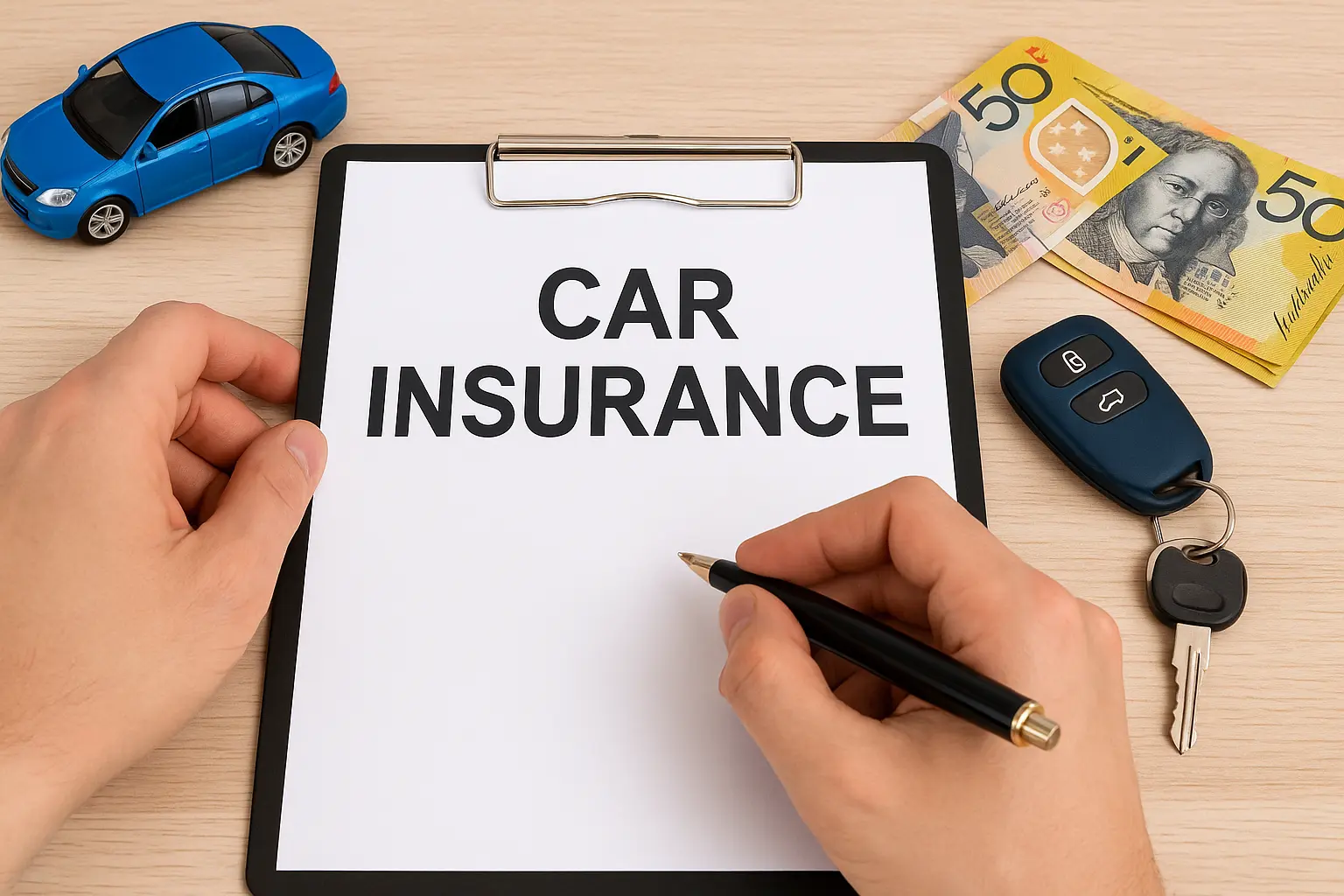
Every Australian driver knows the relief of having comprehensive car insurance, but many overlook a key detail: the insurance excess. It’s the amount you agree to pay out of pocket when you make a claim. Whether you’re at fault or not, your excess can influence how much you pay upfront, how soon your insurer repairs your car, and even your premium amount.
In simple terms, excess acts as your share of the risk. By paying a set amount when you make a claim, you help keep insurance costs manageable across the board. But not all excesses are the same—and knowing how they work can help you make smarter decisions and avoid surprises when accidents happen.
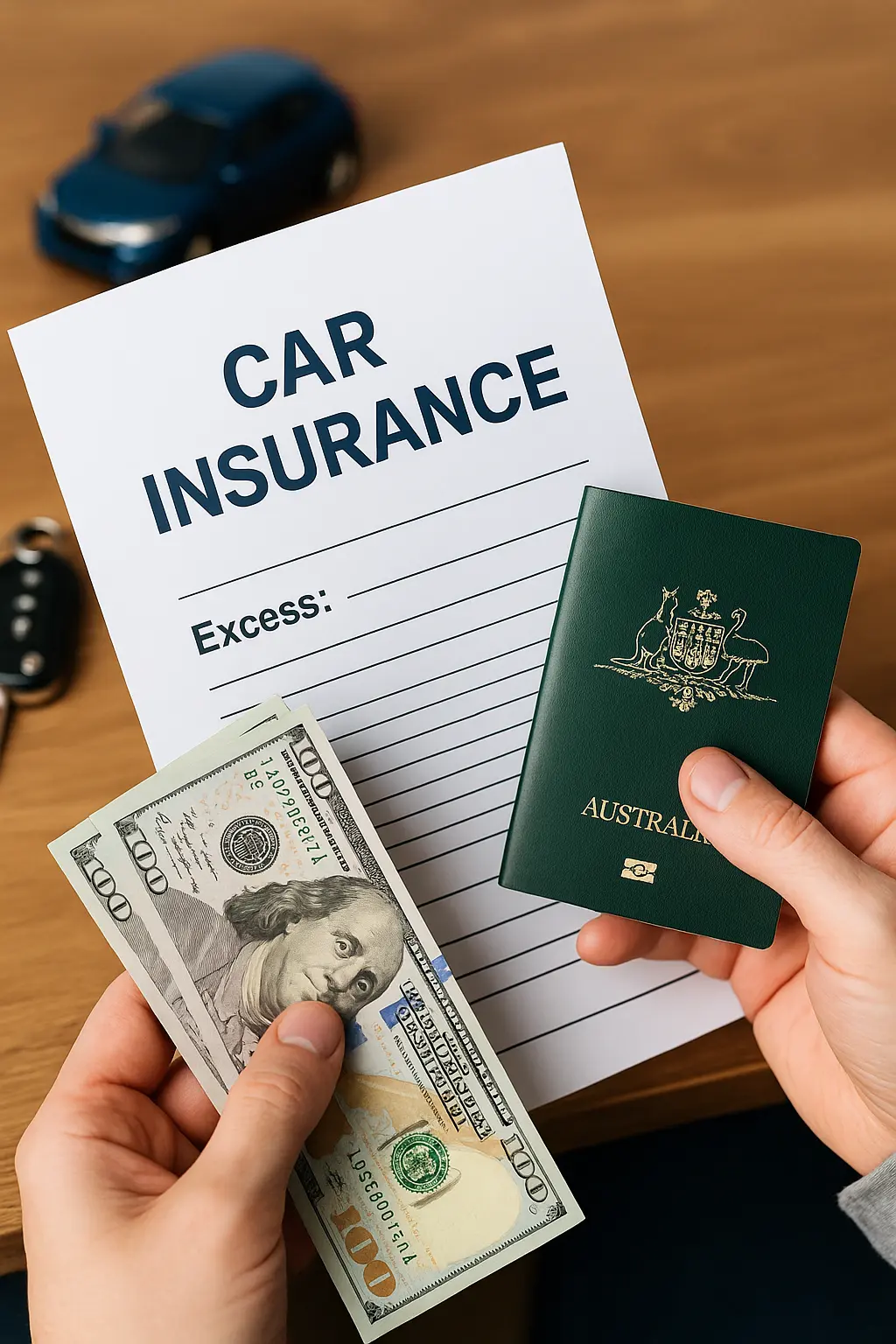
What Is Car Insurance Excess?
Car insurance excess is a fixed amount you pay to your insurer when you make a claim on your policy. It’s essentially your contribution toward the cost of a claim before your insurer covers the rest.
For example, if your excess is $800 and the repair cost is $3,000, you’ll pay the first $800, and your insurer will cover the remaining $2,200.
This arrangement discourages small or unnecessary claims, keeping insurance systems fair and premiums lower overall.
Why Do Insurers Charge an Excess?
Insurance excess exists to reduce fraudulent or minor claims and ensure drivers have some responsibility in managing their vehicles. Without an excess, insurers would face an overload of small claims, driving up premiums for everyone.
It also acts as a risk-balancing tool. Drivers who opt for higher excesses typically pay lower premiums, while those who prefer minimal excess may face higher premiums. It’s about balancing what you can afford now versus what you might afford later in case of a claim.
Types of Car Insurance Excess in Australia
Australian insurers offer different types of excess that apply in various situations. Understanding each one is vital for avoiding costly surprises.
1. Standard Excess
This is the basic excess that applies to most claims. It’s usually set when you first take out your policy. The amount varies based on your car type, location, age, and driving history.
Example: A safe, older driver with a clean record might have a $600 standard excess, while a younger driver might face $1,200 or more.
2. Voluntary Excess
This is an additional excess you choose to add on top of your standard excess. By agreeing to pay more if you make a claim, you can reduce your premium.
It’s a common strategy for confident drivers who rarely claim.
3. Age Excess
If the driver at the time of the incident is under a certain age (usually 25), insurers may apply an age excess.
For instance, a 21-year-old driving a parent’s car may face an extra $400–$600 excess in addition to the standard one.
4. Inexperienced Driver Excess
Even if you’re older than 25, if you haven’t held a full licence for long (typically less than two years), you might be charged this additional excess.
5. Unlisted Driver Excess
If someone drives your car and isn’t listed on your policy, you may face an unlisted driver excess. This is common among families where multiple people share a vehicle.
6. Special or Imposed Excess
Insurers may impose a special excess for factors like previous claims, driving offences, or specific vehicle types (like high-performance or luxury cars).
How to Find Your Car Insurance Excess
Your excess details are always included in your Product Disclosure Statement (PDS) and Certificate of Insurance.
These documents list each type of excess applicable to your policy. It’s essential to review them before signing up—especially if multiple drivers use your vehicle.
You can also find excess details:
- In your online account or insurer app
- On renewal notices
- By calling your insurer directly
When Do You Pay the Excess?
You’ll typically pay the excess when your insurer accepts your claim—either directly to them or to the repairer. In most cases, payment is required before the vehicle is released after repairs.
However, there are some exceptions:
- Not at fault: If you can prove you weren’t at fault and provide the at-fault driver’s details (name, address, registration), some insurers waive your excess.
- Windshield claims: Many comprehensive policies offer optional windscreen cover where excess doesn’t apply.
- Theft or vandalism: You’ll usually pay the excess unless police recover the car and the at-fault person is identified.
When You Don’t Need to Pay an Excess
There are a few situations where your insurer may not require an excess:
- The other driver is clearly at fault and their insurer accepts liability
- You have special “no excess” options for specific claims like windscreen damage or emergency towing
- The claim is for a total loss, and the insurer deducts the excess from the payout
It’s always best to clarify these conditions before lodging a claim.
How Excess Impacts Your Premium
Excess and premium go hand in hand. Choosing a higher excess reduces your premium, as you’re taking on more of the financial risk. Conversely, selecting a lower excess increases your premium but provides more protection when you claim.
Example:
- $500 excess → Higher premium, lower out-of-pocket if you crash.
- $1,500 excess → Lower premium, but more to pay during a claim.
Drivers often adjust their excess to balance affordability and security. For instance, a cautious driver who rarely claims might choose a higher excess for long-term savings.
Should You Claim or Pay for Repairs Yourself?
Not every incident warrants a claim. If the repair cost is close to your excess amount, it might not make financial sense to claim at all.
When to Claim:
- Damage exceeds your excess significantly
- You’re not at fault, and you have the other party’s details
- The repair cost is high (e.g., major accident, theft, hail damage)
When Not to Claim:
- Minor scratches or dents cheaper than your excess
- Single-vehicle damage that doesn’t affect safety
- If claiming might impact your no-claim discount (NCD) or future premium
Car Insurance Excess for Different Policy Types
Australia’s insurance market offers several policy types—each with its own excess rules.
1. Comprehensive Insurance
Covers damage to your car and others, theft, fire, and weather events. All types of excess can apply depending on who was driving and how the accident occurred.
2. Third Party Property Damage
Covers damage you cause to other vehicles or property. Your insurer may still charge an excess if your car is involved, but it won’t cover your own repairs.
3. Third Party Fire & Theft
Adds protection for theft or fire damage to your car. The excess amount here may differ from standard property damage claims.
4. Compulsory Third Party (CTP)
CTP insurance, mandatory in Australia, covers injuries to people but not vehicles. No traditional “excess” applies, as payouts are managed through government-regulated schemes.
Special Excess Situations
1. Hire Cars and Excess Reduction
When renting a car, the hire company’s insurance usually includes a large excess (sometimes $3,000–$5,000).
You can pay an extra daily fee to reduce this amount—a form of excess reduction cover. It’s similar to voluntary excess adjustments on your regular policy.
2. Fleet and Business Vehicles
Companies often negotiate customised excess levels depending on driver risk, fleet size, and claim history.
3. High-Performance Cars
Sports cars, modified vehicles, or luxury imports may attract higher special excesses due to greater repair costs and higher theft risk.
Tips to Manage Your Car Insurance Excess
1. Choose an Excess That Matches Your Budget
Ask yourself: could you afford this amount tomorrow if you had to claim?
Set an excess that’s realistic—not so high it becomes a burden, but high enough to reduce your premium.
2. Keep Your Policy Updated
Always list all regular drivers on your policy. Failing to do so could trigger an unlisted driver excess or even deny your claim.
3. Compare Policies Carefully
When shopping for car insurance in Australia, compare not just premiums but also excess structures. A slightly cheaper policy could end up costing more if it carries multiple excess types.
4. Check for “Excess-Free” Options
Some insurers offer add-ons like windscreen excess waivers or “not-at-fault” protections. These small extras can be worth it for peace of mind.
5. Avoid Frequent Claims
Even if your claim is small, multiple claims can increase future premiums. Weigh the long-term effect before claiming for minor damage.
Common Myths About Car Insurance Excess
Myth 1: You Never Pay Excess If You’re Not at Fault
False—unless you can identify the other driver and they admit fault, you may still need to pay upfront. The insurer can later recover it.
Myth 2: Excess Is Fixed for Everyone
Not true. Excess varies between insurers and drivers. Factors like location, age, car type, and claim history influence it.
Myth 3: Comprehensive Policies Always Waive Excess
Even comprehensive policies require an excess for most claims unless specific conditions are met.
Understanding Excess in Shared Cars and Families
If multiple people share a car—like partners, family members, or friends—each should be listed on the policy. Unlisted drivers often trigger additional excess charges if they cause an accident.
For example, a 19-year-old child borrowing a parent’s car for errands could attract both a youth excess and an unlisted driver excess if not declared.
Real-World Example: How Excess Works in Practice
Imagine Sarah, a 32-year-old Melbourne driver, has comprehensive insurance with:
- Standard excess: $800
- Voluntary excess: $400
- Total: $1,200
She accidentally backs into a pole, causing $2,500 in damage.
Sarah pays $1,200; her insurer covers the remaining $1,300.
If she’d chosen no voluntary excess, her premium might’ve been $100 higher annually—but she’d only pay $800 in a claim. These trade-offs show why excess choices should align with your risk tolerance and budget.
The Role of Excess in No-Claim Discounts (NCD)
Many Australian insurers reward drivers who avoid claims with lower premiums over time. However, even a minor claim where you pay your excess can reset your NCD, depending on the insurer’s policy.
Some insurers offer “NCD protection” add-ons that allow one claim per year without losing your discount.
How to Avoid Paying Excess Unnecessarily
- Gather clear evidence at the accident scene—photos, witness details, police reports.
- Identify and document the at-fault driver’s name, address, registration, and insurer.
- Lodge your claim promptly and provide all supporting documents.
- Check your PDS for any “no-excess” scenarios.
These steps can help your insurer recover costs and potentially refund your excess.
Future Trends: Excess and Telematics in Car Insurance
Modern insurers increasingly use telematics—data from connected devices or apps that track driving behaviour. Safer drivers with proven records may qualify for lower excess or “usage-based” insurance models.
In Australia, companies like Youi and Budget Direct already tailor premiums this way, and excess flexibility is expected to evolve alongside.
Final Thoughts: Balancing Cost, Coverage, and Confidence
Car insurance excess might seem like fine print, but it’s one of the most powerful tools for managing your policy cost and coverage. By understanding how it works, when it applies, and how to adjust it to your lifestyle, you can protect yourself financially and avoid unpleasant surprises when making a claim.
A well-chosen excess helps you:
- Pay affordable premiums
- Avoid unnecessary claims
- Handle repairs without stress
- Maximise your policy value over time
To explore more car insurance insights and ownership tips tailored for Australian drivers, visit Carsoop.com.au— your trusted source for smart car advice, guides, and reviews.

Leave a comment
Your email address will not be published. Required fields are marked *