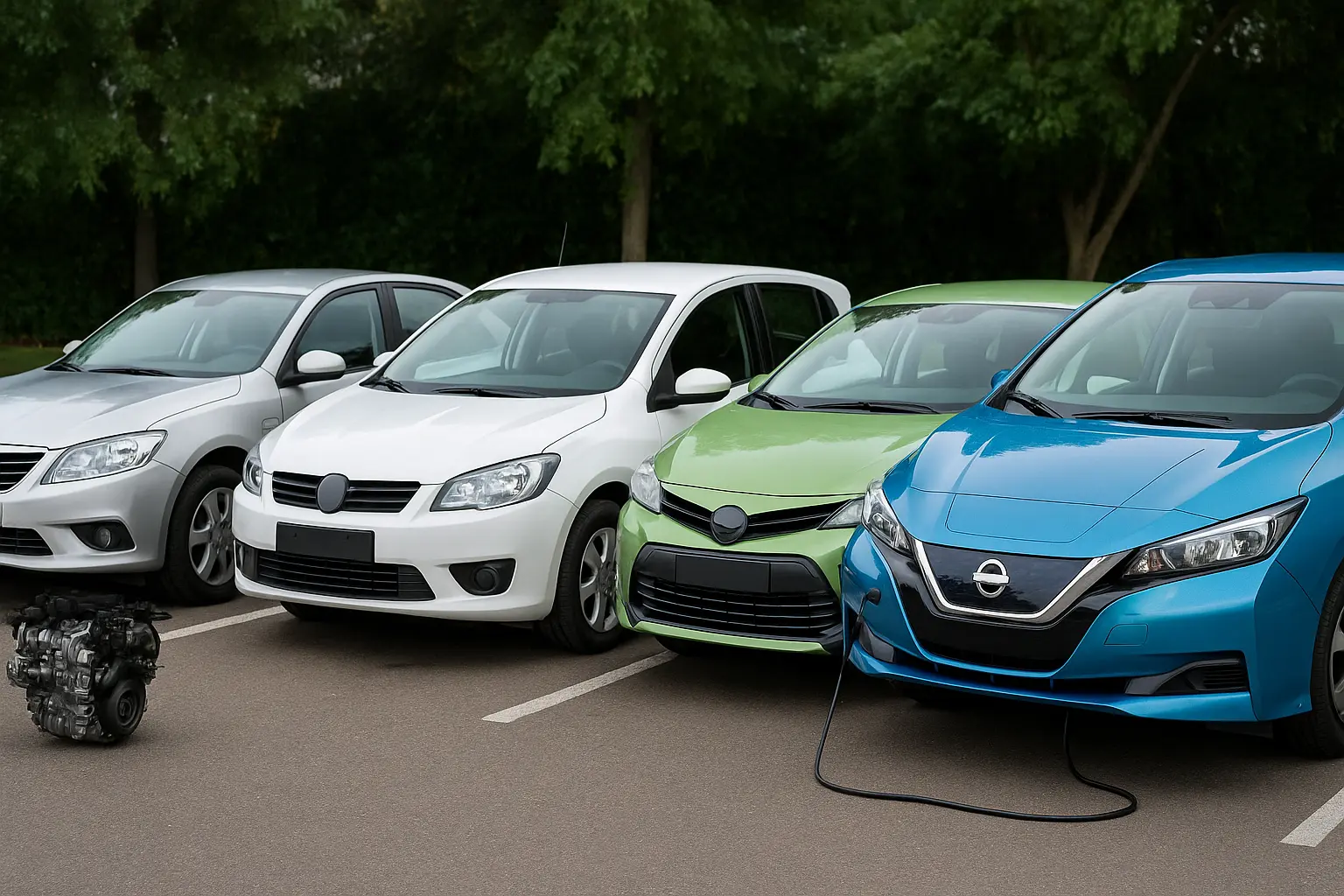
Choosing a car in today’s market isn’t as simple as picking a brand or colour. Beneath the bonnet, the type of engine you choose dramatically affects performance, fuel efficiency, maintenance costs, and your overall driving experience. From the classic petrol engine to the cutting-edge electric motor, each option brings its own advantages and drawbacks — and knowing them helps you make a smarter buying decision.
In this comprehensive guide, we’ll unpack how petrol, diesel, hybrid, and electric car engines work, what makes them different, and which might be best for your needs in Australia’s diverse driving conditions — from urban commutes to long outback adventures.
Understanding Car Engine Basics
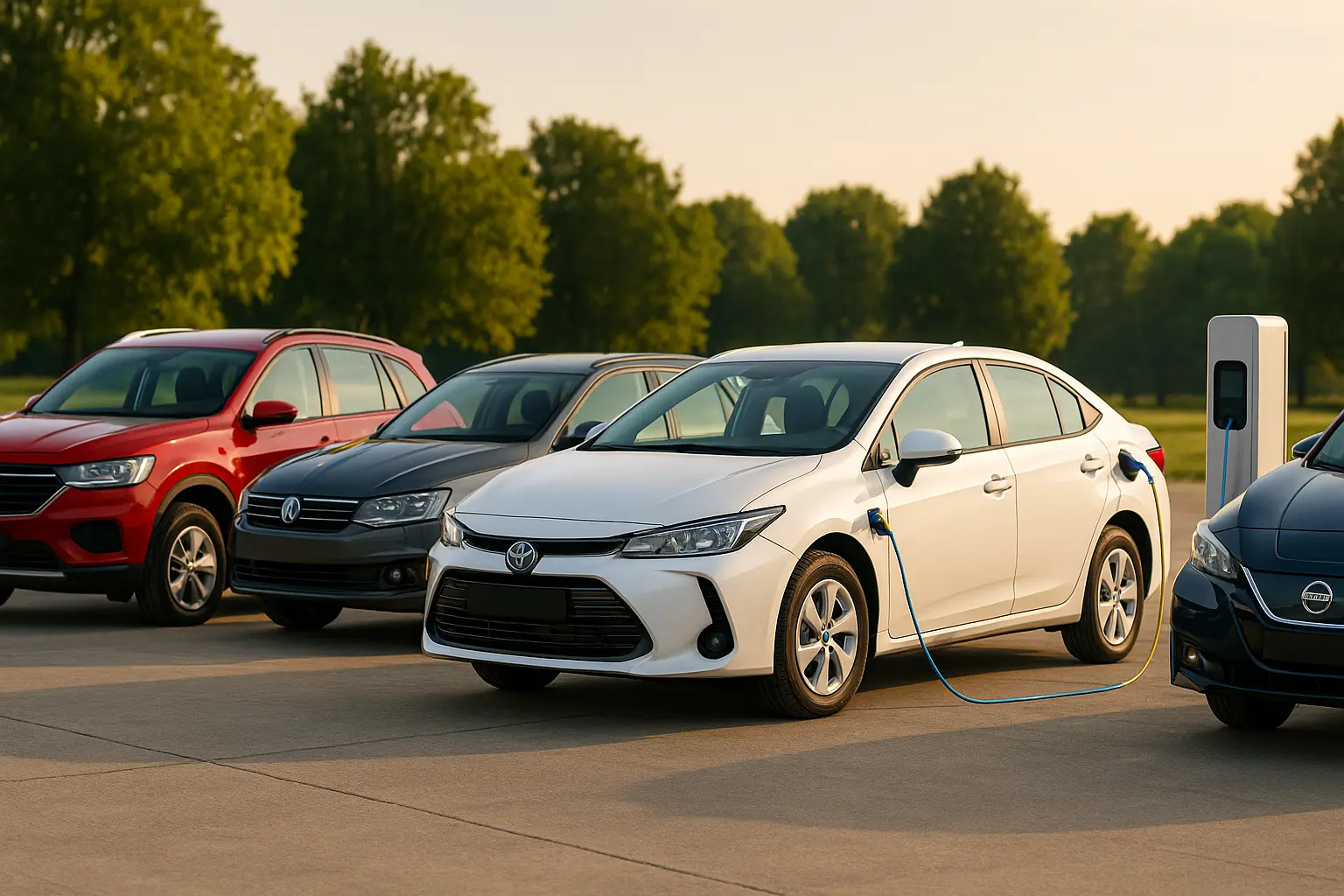
Every vehicle needs energy to move. In traditional cars, that energy comes from burning fuel (petrol or diesel) in an internal combustion engine (ICE). The chemical energy in fuel is converted into mechanical power to turn the wheels. Electric vehicles (EVs), on the other hand, use electricity stored in a battery to power an electric motor, bypassing combustion altogether.
Key terms to understand:
- Torque: The twisting force that helps a vehicle move from a standstill or climb steep roads.
- Horsepower: The measure of an engine’s total power output — higher means faster acceleration.
- Efficiency: How much energy is used effectively versus wasted as heat or friction.
- Emissions: Gases released from burning fuel — CO₂, NOx, and particulates.
With these basics in mind, let’s explore how each engine type performs.
Petrol Engines: The Everyday Performer
Petrol engines have been the most common engine type for over a century. They’re known for their smooth power delivery, quick acceleration, and widespread availability of fuel.
How It Works
Petrol engines rely on spark ignition — a spark plug ignites the air-fuel mixture inside the cylinder, pushing the piston down to create motion. The process is quick, efficient for short trips, and generally quieter than diesel combustion.
Advantages
- Smooth and quiet: Ideal for city driving and short commutes.
- Readily available fuel: Petrol stations are everywhere across Australia.
- Lower upfront cost: Petrol cars are often cheaper to buy than hybrids or EVs.
- Less vibration: Petrol engines typically run more smoothly than diesels.
Drawbacks
- Higher fuel consumption: Petrol engines use more fuel than diesels for the same distance.
- Lower torque: Less pulling power, especially noticeable when towing or off-roading.
- More frequent refuelling: Shorter range per tank compared to diesel.
Best For
Urban drivers and small families who value smoothness, affordability, and easy refuelling. Popular petrol options in Australia include the Mazda CX-5, Toyota Corolla, and Kia Cerato.
Diesel Engines: Built for Torque and Tough Terrain
Diesel engines are the workhorses of the automotive world. They’re renowned for their durability, torque-heavy performance, and fuel efficiency — making them perfect for utes, SUVs, and vehicles that need to tow or travel long distances.
How It Works
Instead of using a spark, diesel engines compress air until it’s hot enough to ignite the fuel directly. This high compression ratio gives diesel engines their trademark torque and efficiency.
Advantages
- Superior fuel economy: Diesel engines extract more energy from fuel.
- Strong torque: Excellent for towing caravans, boats, and heavy loads.
- Longevity: Diesel engines tend to last longer with proper maintenance.
- Better highway range: Ideal for long drives and rural Australia.
Drawbacks
- Higher purchase price: Diesel variants usually cost more upfront.
- Maintenance costs: Servicing can be more expensive, especially fuel filters and injectors.
- Cold starts: Diesel engines can struggle in cold climates.
- Emission concerns: Older diesel engines emit higher NOx and particulates.
Best For
Rural or regional drivers, tradies, and adventure seekers who often tow or travel long distances. Australian favourites include the Toyota HiLux, Isuzu D-MAX, and Ford Ranger.
Hybrid Engines: The Best of Both Worlds
Hybrids bridge the gap between traditional combustion and electric vehicles. They combine a petrol (or occasionally diesel) engine with an electric motor and battery pack to maximise efficiency.
How It Works
In a hybrid, the petrol engine and electric motor work together — or independently — depending on driving conditions. During city driving, the electric motor handles low-speed cruising, while the petrol engine kicks in for higher speeds or extra power. Regenerative braking also recharges the battery as you slow down.
Types of Hybrids
- Mild Hybrid (MHEV): Offers a small efficiency boost but can’t drive solely on electric power.
- Full Hybrid (HEV): Switches seamlessly between petrol and electric modes.
- Plug-in Hybrid (PHEV): Can be charged externally and drive significant distances purely on electricity.
Advantages
- Fuel savings: Greatly improved fuel economy, especially in traffic.
- Lower emissions: Reduced carbon footprint compared to petrol-only engines.
- Smooth driving experience: Near-silent starts and instant torque from the motor.
- Regenerative braking: Captures lost energy to recharge the battery.
Drawbacks
- Higher upfront cost: More expensive than equivalent petrol cars.
- Battery degradation: Over time, battery efficiency can drop slightly.
- Heavier vehicle weight: Additional battery and motor components increase weight.
- Limited electric-only range (HEV): Only PHEVs can run solely on electricity for long.
Best For
Urban and suburban commuters who want lower fuel bills without range anxiety. Top hybrid models in Australia include the Toyota RAV4 Hybrid, Lexus NX Hybrid, and Hyundai Tucson Hybrid.
Electric Vehicles (EVs): The Future of Driving
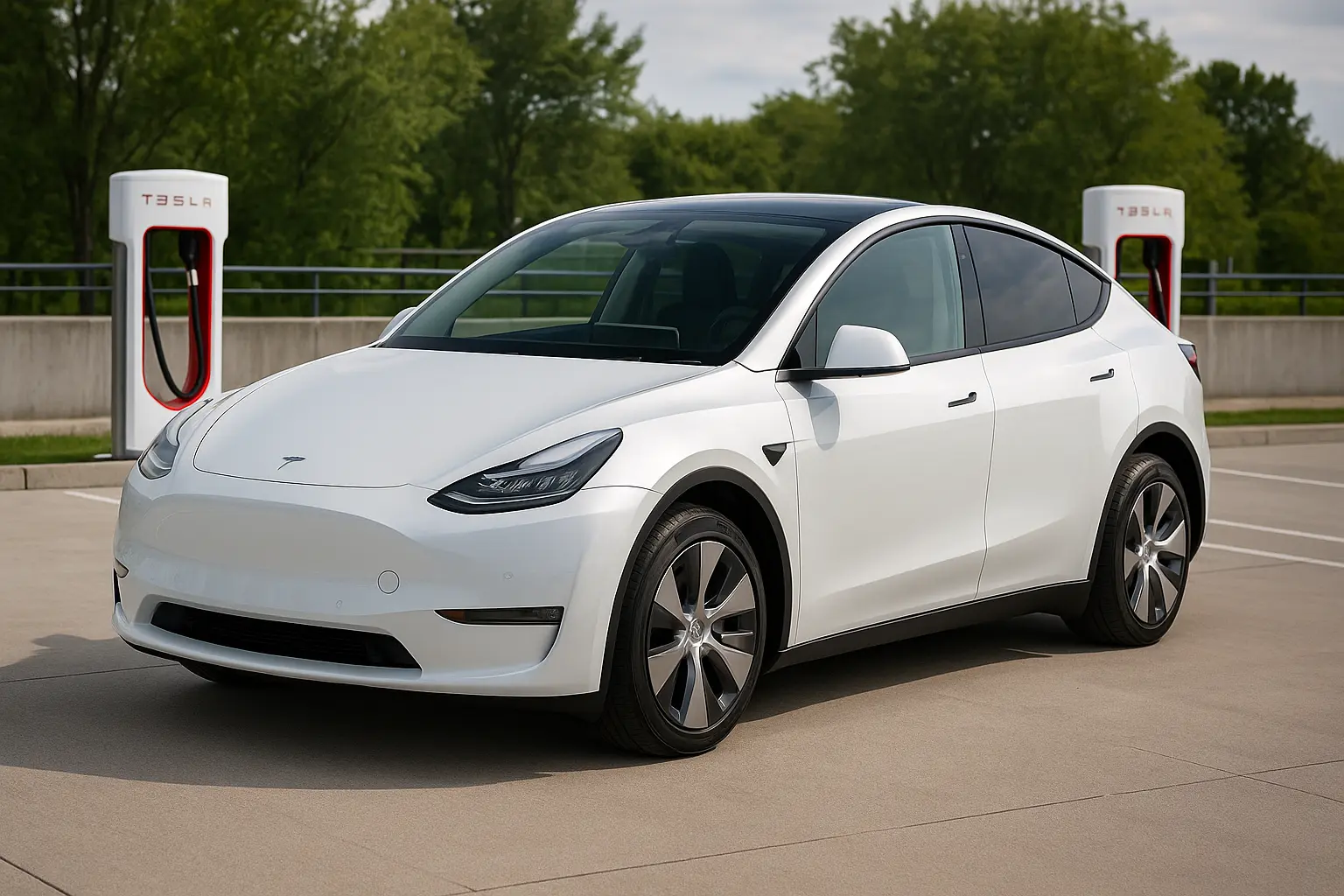
Electric vehicles are transforming the automotive landscape. They produce zero tailpipe emissions, offer instant torque, and operate with near-silent precision. With improving infrastructure and battery technology, EVs are rapidly gaining traction across Australia.
How It Works
EVs use a large lithium-ion battery to power an electric motor, completely replacing the internal combustion engine. Electricity is stored in the battery and sent to the motor when you accelerate. Regenerative braking also returns energy to the battery when slowing down.
Advantages
- Zero emissions: No exhaust gases, reducing environmental impact.
- Instant torque: Quick acceleration and smooth power delivery.
- Low running costs: Electricity is cheaper than petrol or diesel per kilometre.
- Minimal maintenance: Fewer moving parts mean fewer mechanical issues.
- Government incentives: Some Australian states offer rebates and registration discounts.
Drawbacks
- Charging infrastructure: Limited in remote areas, though expanding quickly.
- Range anxiety: Long trips still require careful planning.
- Higher upfront cost: Batteries make EVs more expensive to buy.
- Charging time: Fast chargers reduce wait times, but home charging takes hours.
Best For
Eco-conscious drivers and urban dwellers with access to charging stations. Leading EVs in Australia include the Tesla Model 3, BYD Atto 3, Hyundai Ioniq 5, and Kia EV6.
Hybrid vs Petrol: Which Is Better?
For everyday Australian drivers, the decision often comes down to cost and convenience. Petrol cars are cheaper upfront and easy to refuel anywhere, but hybrids significantly cut fuel expenses over time. If you drive mostly in stop-start city traffic, a hybrid’s efficiency can quickly outweigh the initial price difference.
EV vs Diesel: A Shift in Power
Diesel engines dominate the heavy-duty segment — for now. But electric utes and SUVs are on the horizon, promising high torque without emissions. As Australia’s charging infrastructure expands, EVs could soon rival diesel vehicles in practicality, especially for urban fleets and delivery services.
Comparing Maintenance & Running Costs
- Petrol: Regular servicing, spark plugs, and oil changes every 10,000–15,000 km.
- Diesel: Longer service intervals but costlier filters and injectors.
- Hybrid: Similar to petrol, plus occasional battery health checks.
- Electric: Minimal maintenance — mainly tyre rotations and brake inspections.
Over time, EVs and hybrids typically cost less to maintain due to fewer moving parts and no exhaust or transmission systems.
Environmental Impact: The Road to Clean Driving
Australia is committed to lowering transport emissions, and engine choice plays a key role.
- Petrol and diesel engines emit CO₂ and particulates.
- Hybrids reduce emissions by improving fuel efficiency.
- EVs produce zero tailpipe emissions but rely on clean electricity for true sustainability.
States like NSW, Victoria, and Queensland are already pushing EV adoption through incentives, while automakers invest in cleaner hybrid and plug-in technologies.
The Australian Market Outlook
The future of engines in Australia is clearly electric — but the transition will take time.
- Short term: Hybrids and efficient petrol engines dominate.
- Medium term: Plug-in hybrids bridge the gap as charging networks expand.
- Long term: Fully electric vehicles become the standard, supported by renewable energy.
Brands like Toyota, Hyundai, and BYD are driving this evolution, while diesel remains relevant for heavy-duty applications and regional travel.
Choosing the Right Engine for You
Your perfect engine depends on how — and where — you drive.
| Driving Style | Best Engine Type | Why |
|---|---|---|
| City commuting | Hybrid or EV | Lower running costs, quiet operation |
| Long highway drives | Diesel or Hybrid | Excellent range, strong torque |
| Off-roading & towing | Diesel | High pulling power and durability |
| Eco-friendly urban use | EV | Zero emissions, low maintenance |
| Budget-conscious buyers | Petrol | Lower purchase price, widespread service |
Final Thoughts
Understanding engine types isn’t just for car enthusiasts — it’s essential for making a smart, future-proof purchase. While petrol engines remain popular, hybrids and EVs are reshaping what Australians expect from their cars. Diesel still holds its ground for heavy-duty needs, but the future is clearly electric.
As technology evolves and infrastructure grows, Australian drivers will have more choice than ever — each engine type tailored to different lifestyles, driving habits, and budgets.
Whether you’re planning to buy your first EV or stick with a dependable petrol car, the key is to understand how each option fits your world on the road.

Leave a comment
Your email address will not be published. Required fields are marked *