Keeping your car clean isn’t just about looks—it’s about longevity, comfort, and pride of ownership. In Australia’s dusty, coastal, and sometimes harsh driving conditions, detailing plays a crucial role in preserving both value and functionality. Whether you’re tackling a weekend DIY clean or booking a professional detailer, understanding the essentials helps you make smarter choices and better care for your vehicle.
Understanding Car Detailing
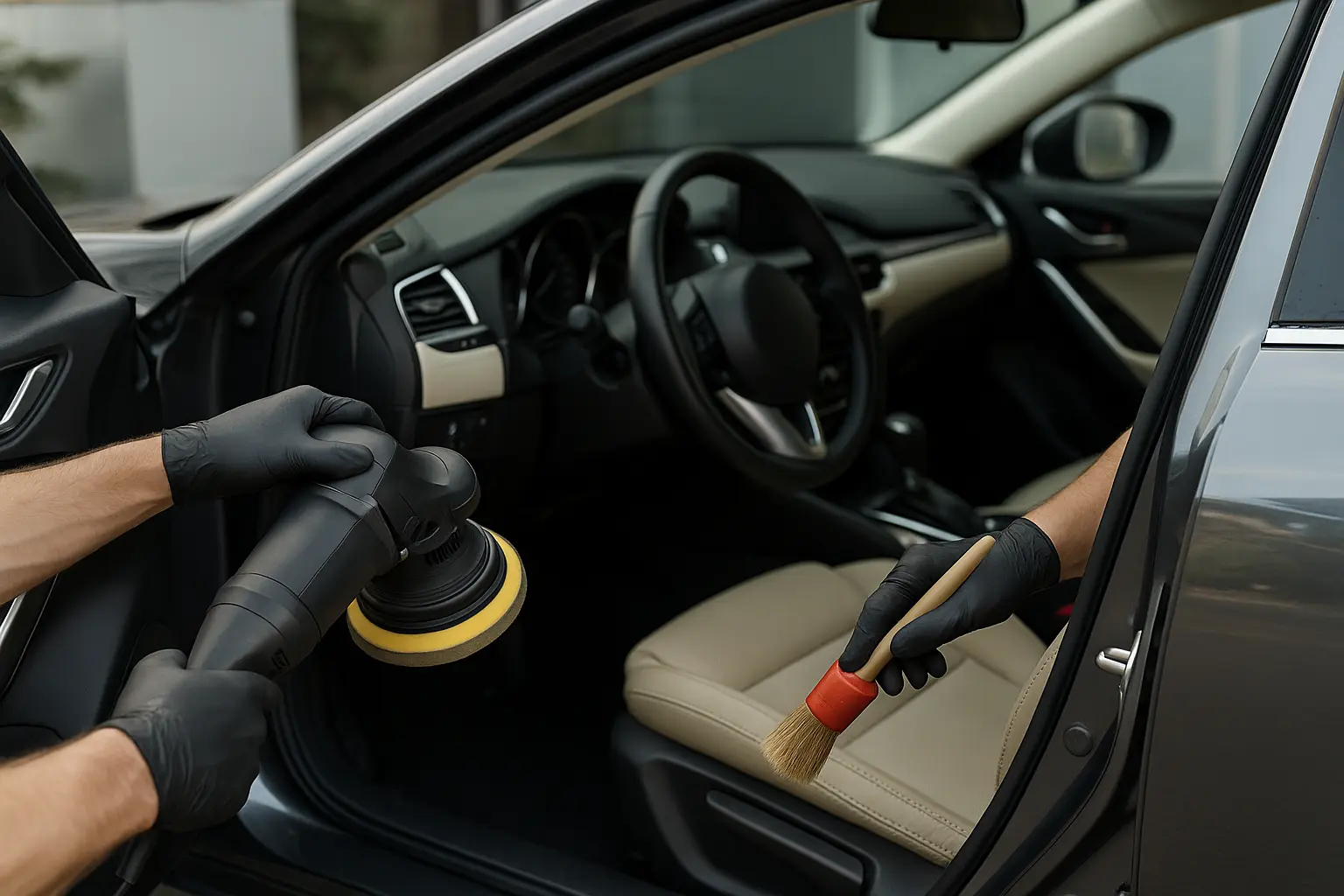
Car detailing involves an intensive cleaning, restoration, and finishing process that aims to make your car look—and often feel—as close to new as possible. Unlike a standard car wash, detailing digs deeper. It focuses on small details: removing stains, polishing paint, conditioning leather, restoring headlights, and even protecting surfaces from UV rays.
In Australia, car detailing services can range from $150 for a basic clean to over $800 for full interior-exterior rejuvenation, ceramic coatings, and paint correction. The difference often lies in time, tools, and expertise.
Why Detailing Matters for Australian Drivers
Australia’s driving environment is unique. Between red dust, sea salt, road grime, and intense UV radiation, your car faces a constant onslaught of contaminants. Regular detailing protects against:
- Paint damage from UV rays and oxidisation
- Corrosion due to salty air in coastal regions
- Staining and mould from humidity and moisture
- Interior fading caused by sun exposure
- Reduced resale value from neglected maintenance
For anyone living near the beach, the outback, or even busy urban centres like Sydney or Melbourne, car detailing is more than vanity—it’s practical maintenance.
Exterior Car Detailing: Step-by-Step Guide
Pre-Wash and Inspection
Before you start scrubbing, always inspect your vehicle. Look for paint chips, bird droppings, tar spots, and scratches. Begin with a pre-rinse or foam cannon wash to loosen dirt and grime, preventing scratches during contact washing.
Two-Bucket Wash Method
Use one bucket for soapy water and another for rinsing. This simple trick minimises swirl marks caused by dirty mitts. Always use a pH-balanced car shampoo rather than dish soap—it’s gentler on paint and wax.
Decontamination and Clay Bar
After washing, feel your paint. If it’s rough, it needs a clay bar treatment. A clay bar removes embedded contaminants like brake dust and road tar, restoring the smoothness of your paint.
Polishing
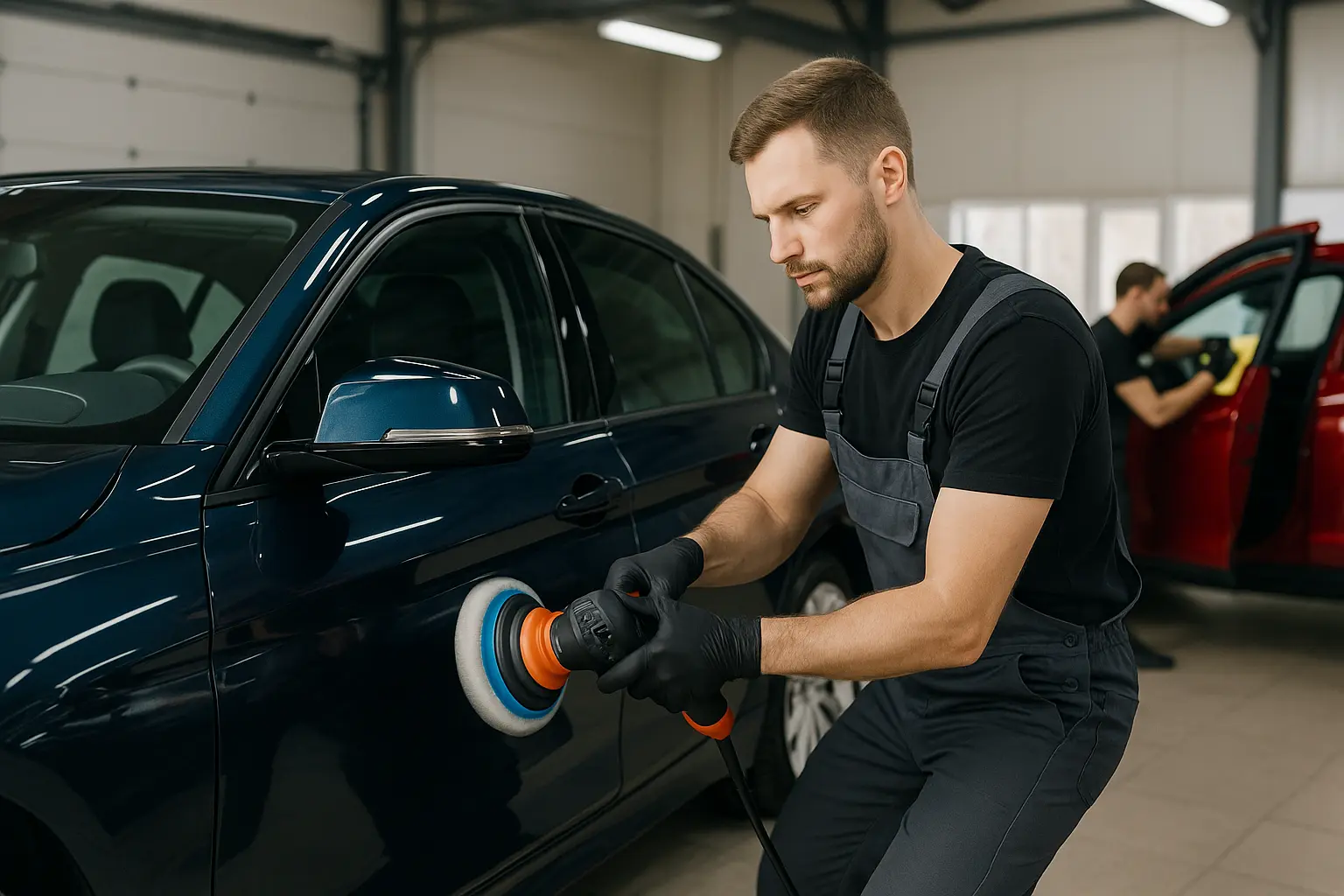
Polish helps remove fine scratches, swirl marks, and oxidation. You can apply it by hand with a microfiber pad or use a dual-action (DA) polisher for professional results. Always follow up with a clean microfiber wipe.
Waxing and Sealants
Wax protects paint and enhances gloss. Traditional carnauba wax offers a deep shine, while synthetic sealants provide longer-lasting protection—ideal for hot Australian summers. Apply in thin, even layers and buff to a mirror finish.
Tyres and Wheels
Tyres and rims often collect brake dust, tar, and grime. Use a dedicated wheel cleaner and soft brushes. Finish with a tyre dressing for that crisp, darkened look.
Glass and Trim
Clean glass with an ammonia-free cleaner. For plastic trims, use a UV protectant to prevent fading—a common issue under the Australian sun.
Interior Car Detailing: Bringing the Cabin Back to Life
Your car’s interior is where you spend most of your time, so it deserves just as much attention as the exterior. A properly detailed cabin enhances comfort, air quality, and even driving safety.
Vacuuming and Dust Removal
Start with a thorough vacuum. Remove floor mats, reach under seats, and use crevice tools for tight spots. Dust vents, buttons, and dashboard surfaces using a soft detailing brush.
Fabric and Upholstery Care
For cloth interiors, use a fabric cleaner to remove stains and odours. Always spot-test products before use. Steam cleaning is a powerful method for deep sanitisation.
Leather Treatment
If your car features leather seats, use a leather-specific cleaner followed by conditioner. This prevents cracking, fading, and stiffness over time. Avoid generic cleaners that can strip natural oils.
Dashboard, Console & Touchscreens
Use a damp microfiber cloth for dashboards and infotainment screens. Avoid alcohol-based sprays that can damage finishes. For added protection, apply a UV protectant—especially in Australia’s sunny climate.
Air Vents and Cabin Filters
Dust and debris build up in air vents can lead to unpleasant smells. Use a small detailing brush or compressed air to clean vents. Replacing your cabin air filter regularly also improves air freshness and performance.
Deodorising
For a finishing touch, use a neutral air freshener or ozone treatment. Avoid overpowering scents that may cause discomfort.
DIY Car Detailing: What You Need and How to Start
Doing it yourself is rewarding and cost-effective—especially if you enjoy working on your car. However, DIY detailing requires the right tools, patience, and technique.
Essential Tools for DIY Detailing
- Two buckets (wash & rinse)
- Microfiber wash mitts and towels
- Foam cannon or spray bottle
- Clay bar kit
- DA polisher (optional)
- Interior brushes
- pH-neutral shampoo and wheel cleaner
- Wax or ceramic sealant
- Leather and plastic protectants
Common Mistakes to Avoid
- Washing under direct sunlight (causes water spots)
- Using household detergents
- Forgetting to clean microfibers after each use
- Applying too much product
- Ignoring drying—always use clean, soft towels
Budget Estimate for DIY Setup
A quality DIY detailing kit in Australia costs between $150–$400 initially. While that may seem steep, it quickly pays for itself compared to regular professional detailing sessions.
Professional Car Detailing: When to Go Pro
While DIY detailing is rewarding, there are situations where a professional’s expertise is worth it. Professionals use specialised tools, high-grade products, and years of experience to deliver results most DIY setups can’t match.
Advantages of Professional Detailing
- Deep paint correction and swirl removal
- Access to high-end products and ceramic coatings
- Time-saving for busy owners
- Consistent, high-quality finish
- Comprehensive protection packages
Disadvantages
- Higher cost (anywhere from $200–$1000 depending on the service)
- Inconvenience of leaving your car for hours or days
- Inconsistent quality between detailers
Choosing the Right Detailer in Australia
Look for businesses with certified technicians, online reviews, and transparent pricing. Ask if they offer ceramic coatings, mobile detailing, or maintenance programs. Always inspect results under proper lighting before accepting the job.
Ceramic Coating vs Traditional Wax
Ceramic coatings have revolutionised car protection. These liquid polymers bond with paint, creating a hydrophobic layer that repels dirt and water for years. While wax lasts 2–3 months, ceramic coatings can last up to 3–5 years with proper care.
Pros of Ceramic Coatings
- Long-term protection
- Extreme gloss and smoothness
- Easier cleaning
- UV and chemical resistance
Cons
- Expensive (from $800+ for professional application)
- Difficult to apply DIY without experience
- Requires careful curing time
For most Australian car owners, a combination of annual professional detailing and regular home washes offers the best balance between cost and results.
Seasonal Car Detailing Tips for Australian Conditions
Summer
Focus on UV protection. Apply wax or sealant to protect against sun damage, and use interior protectants on dashboards and trims.
Autumn
Remove leaves and debris from drains and vents. Apply a new coat of wax before winter.
Winter
Rinse off road salt and mud regularly. Consider a ceramic coating for easier maintenance.
Spring
Perfect time for a full detail. Decontaminate paint, deep-clean interiors, and inspect for damage caused by harsh weather.
Eco-Friendly Car Detailing in Australia
Many Australians are embracing water-saving and eco-friendly detailing practices. Waterless washes and biodegradable shampoos are gaining popularity, especially in regions with water restrictions.
Top Eco Tips
- Use a waterless wash for lightly soiled cars
- Collect rinse water to prevent storm drain pollution
- Choose biodegradable products
- Clean microfibers without fabric softener
- Support local detailers using eco-friendly systems
How Often Should You Detail Your Car?
It depends on your driving habits and environment. As a rule of thumb:
- Full exterior and interior detail: every 4–6 months
- Waxing or sealant application: every 2–3 months
- Quick maintenance wash: every 2–3 weeks
- Interior vacuum and wipe-down: weekly
Regular upkeep makes each subsequent detail easier, prolonging your car’s pristine condition.
Boosting Resale Value Through Detailing
Detailing is one of the most effective ways to increase resale value before selling your car. Clean interiors, swirl-free paint, and a spotless engine bay can add hundreds—or even thousands—of dollars to the sale price. Buyers perceive a well-maintained vehicle as more reliable.
A quick professional detail before listing your car on platforms like Carsales or Facebook Marketplace can significantly boost interest and offers.
Conclusion: The Smart Way to Keep Your Car Looking New
Whether you prefer a Saturday morning wash or the convenience of professional detailing, regular care keeps your car looking sharp and performing its best. In Australia’s tough climate, this isn’t just about aesthetics—it’s about protecting your investment.
A well-detailed car reflects pride, attention to detail, and long-term value. Whether you go DIY or hire a pro, consistent care ensures that every drive feels like a first drive.

Leave a comment
Your email address will not be published. Required fields are marked *