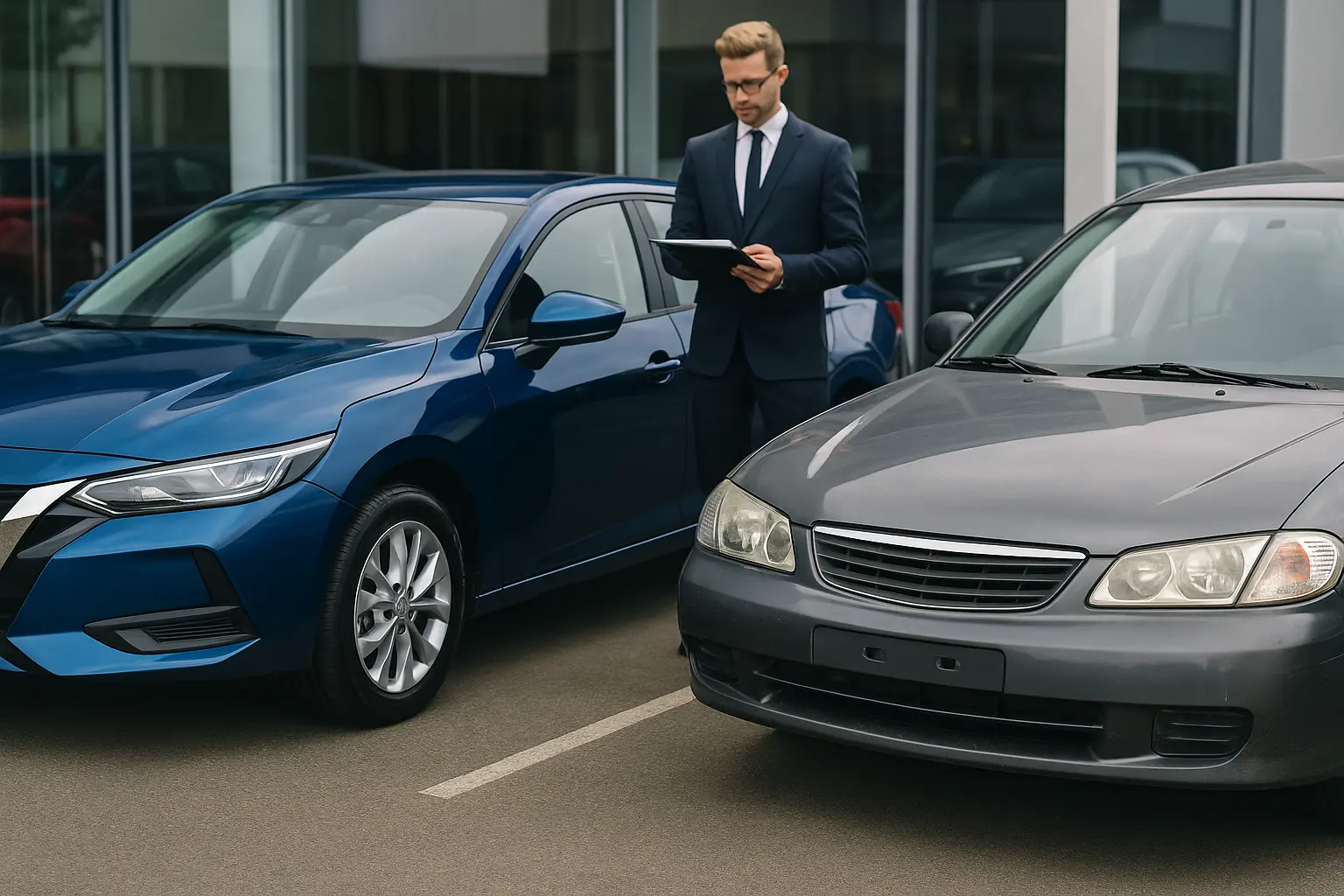
Buying a car in Australia is one of the biggest financial decisions most people make outside of purchasing a home. Whether you’re a first-time buyer eager to upgrade from public transport, a family in need of more space, or someone simply looking to downsize to a fuel-efficient hatchback, the process can be overwhelming. Prices vary widely, options are endless, and the choice between new and used vehicles is often confusing. Add in finance options, warranties, and the practical checks you should perform before handing over your money, and it’s no wonder car buying can feel like a maze.
This guide is designed to make the process simpler. We’ll walk you through each stage of buying a car in Australia — from weighing up new versus used, to navigating finance, to what you must check before signing on the dotted line.
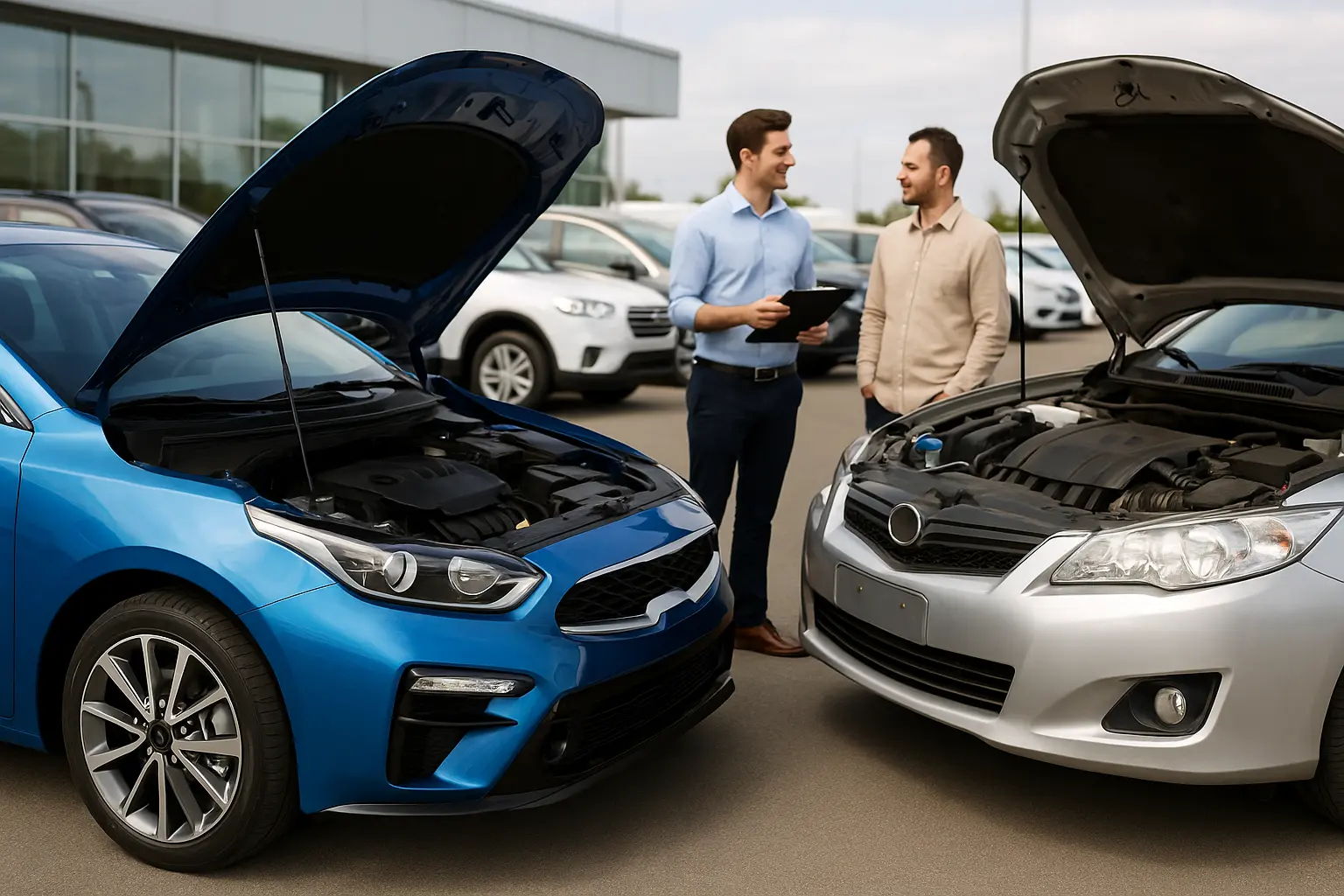
Understanding the Australian Car Market
Australia’s car market is unique compared to other regions. Import restrictions, taxes, and consumer demand shape what’s available and how much you’ll pay. Popular models such as the Toyota Hilux, Ford Ranger, and Toyota RAV4 consistently dominate sales charts because Australians value reliability, towing capacity, and versatility. However, the rise of hybrids and EVs means more buyers are now also considering efficiency and technology.
When buying, it’s important to think about:
- Budget: Factor in not only the purchase price but also insurance, registration, fuel, and servicing.
- Lifestyle needs: City commuters may prefer a compact hatchback, while rural drivers might need a ute or SUV.
- Fuel type: Petrol remains dominant, but diesel is common for heavy-duty use, while hybrids and EVs are on the rise in urban areas.
- Resale value: Some cars (like Toyota, Mazda, and Subaru) hold their value far better than others.
New vs Used Cars in Australia
One of the biggest decisions buyers face is whether to purchase a brand-new car or a used vehicle. Both have clear advantages and disadvantages, and the right choice depends on your priorities.
Advantages of Buying New
- Latest features and safety: New cars come with the latest driver-assist tech, infotainment, and ANCAP safety standards.
- Warranty coverage: Most new cars come with 5–7 year unlimited-kilometre warranties, giving peace of mind.
- Lower maintenance costs initially: You won’t need major servicing or replacements for the first few years.
- Finance incentives: Manufacturers often provide low-interest finance deals on new models.
Disadvantages of Buying New
- Depreciation: New cars lose value the moment you drive them off the lot, typically 15–20% in the first year.
- Higher upfront cost: New vehicles are significantly more expensive than used alternatives.
- Wait times: Popular models may have long wait lists due to supply chain delays.
Advantages of Buying Used
- Lower cost: You can often get a near-new car with low kilometres for thousands less.
- Slower depreciation: Much of the initial depreciation is absorbed by the first owner.
- Wider choice: The used market includes discontinued models, higher trims, and budget options.
- Lower insurance premiums: Depending on the car’s age, your insurance may be cheaper.
Disadvantages of Buying Used
- No full warranty: Even if some factory warranty remains, coverage is shorter than with a new car.
- Higher risk of issues: Wear and tear can lead to more frequent repairs.
- Uncertain history: Unless buying from a trusted dealer, there’s a risk of hidden damage or finance owing.
- Fewer finance deals: Used car loans often carry higher interest rates.
Finance Tips for Car Buyers in Australia
For most Australians, buying a car outright isn’t possible, so finance is a key part of the process. Understanding the options can save you thousands over the life of the loan.
Car Loan Types
- Secured Car Loan: The car itself is used as collateral, usually resulting in lower interest rates.
- Unsecured Loan: Higher interest, but flexible if you don’t want the car tied to the loan.
- Dealer Finance: Convenient but can be more expensive; always compare against bank rates.
- Novated Lease: Popular with employees, allowing you to pay for the car and running costs via pre-tax salary.
Key Finance Considerations
- Compare interest rates: Even a 1% difference can mean thousands over a loan term.
- Check for balloon payments: Some loans reduce monthly payments but leave a large final lump sum.
- Loan term length: Longer terms lower monthly repayments but cost more in total interest.
- Budget realistically: Include insurance, fuel, and servicing in your repayment calculations.
Essential Checks Before Buying
Regardless of whether you’re buying new or used, some checks are non-negotiable.
For New Cars
- Inspect the vehicle: Look for scratches, dents, or paint inconsistencies before signing.
- Check included features: Ensure the trim level you ordered matches what’s delivered.
- Review warranty terms: Know what’s covered and what isn’t.
- Negotiate extras: Floor mats, window tinting, or extended warranties are often negotiable.
For Used Cars
- Check service history: A full logbook is ideal; irregular servicing can be a red flag.
- Run a PPSR check: Ensures the car isn’t stolen, written-off, or still under finance.
- Inspect tyres and brakes: These can be costly to replace and indicate how the car was treated.
- Test all electronics: From air conditioning to power windows, make sure everything works.
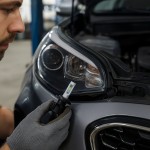
- Get a pre-purchase inspection: Have a trusted mechanic assess the car before buying.
Negotiating the Best Deal
In Australia, negotiation is expected. Dealers often leave wiggle room in pricing.
- Research market prices: Use sites like Carsales or Redbook to know fair value.
- Be ready to walk away: There are always other cars available.
- Bundle extras: Ask for free servicing or accessories if price reduction isn’t possible.
- End-of-month or year sales: Dealers are often more motivated to close deals during these times.
Hidden Costs of Car Ownership
Many buyers underestimate ongoing costs. Be sure to factor in:
- Registration & stamp duty: Varies by state and car price.
- Insurance: Comprehensive insurance can be costly, especially for new or performance cars.
- Fuel: Petrol prices fluctuate; hybrids and EVs can save long-term.
- Servicing & repairs: Routine servicing adds up, especially with European cars.
- Depreciation: Your car will lose value over time, impacting resale.
Used Car vs New Car: Which is Right for You?
- Buy new if: You want peace of mind, the latest safety, and can afford the higher cost.
- Buy used if: You want value for money, don’t mind an older model, and are prepared for potential repairs.
Think about your budget, how long you’ll keep the car, and your tolerance for risk.
Tips for First-Time Car Buyers in Australia
- Stick to your budget — don’t get upsold on features you don’t need.
- Always factor in insurance before committing.
- Don’t rush — test drive multiple vehicles.
- Avoid high-interest dealer loans without comparing elsewhere.
- Consider resale value if you plan to upgrade within a few years.
The Future of Car Buying in Australia
The Australian car market is shifting quickly. Hybrids and EVs are becoming mainstream, with governments offering incentives and charging infrastructure improving. Online buying platforms are also streamlining the process, letting you purchase and finance a car entirely online. Subscription services, where you pay monthly for access to a car without ownership responsibilities, are also gaining traction.
Final Thoughts
Buying a car in Australia doesn’t have to be stressful. By weighing up new vs used, carefully considering finance, and conducting thorough checks, you can drive away with confidence. The right preparation can save you money, reduce risk, and ensure your next car truly suits your lifestyle.

Leave a comment
Your email address will not be published. Required fields are marked *