
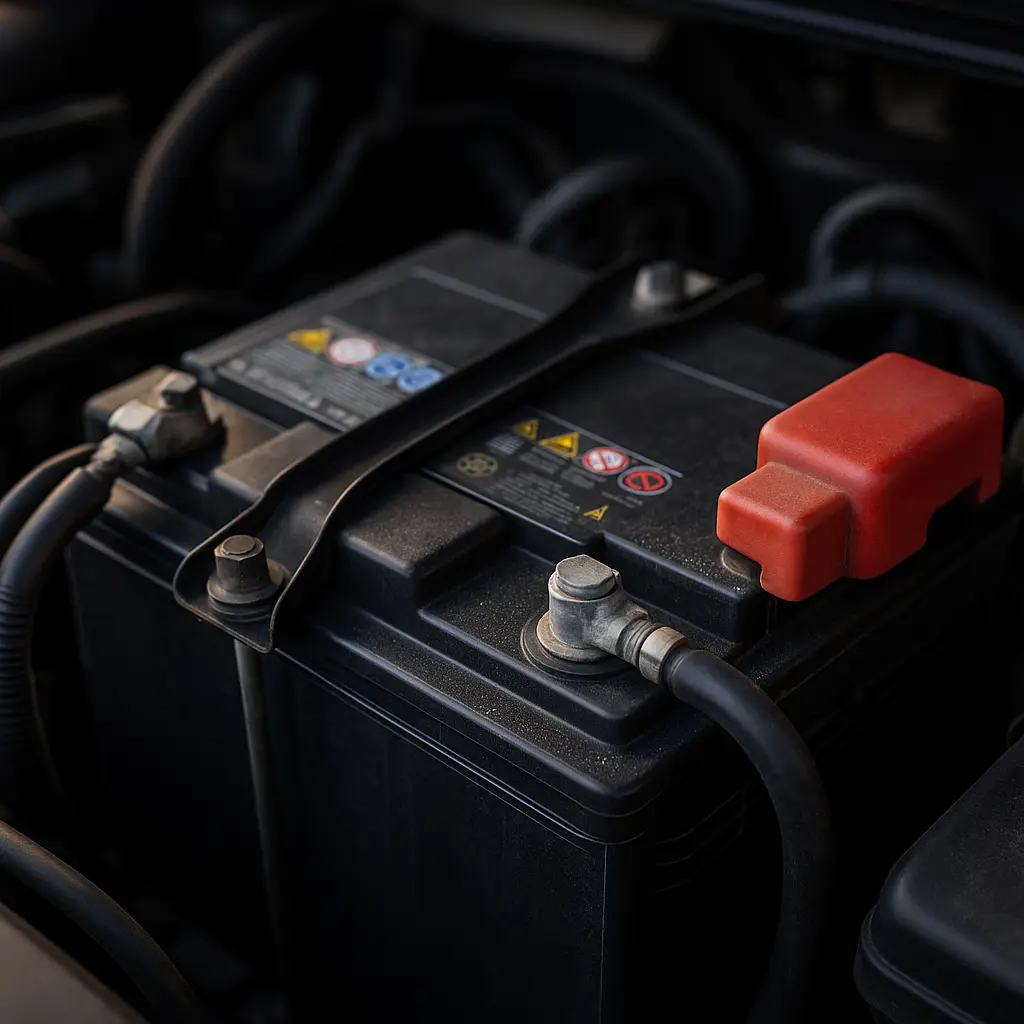
Car batteries are the unsung heroes of every vehicle. They power your car’s ignition, electronics, lights, infotainment, and even safety systems. Yet, most drivers rarely think about battery maintenance until it’s too late—usually when the car refuses to start. In Australia, where heat, humidity, and seasonal changes can affect battery performance, proper battery care is crucial.
This comprehensive guide explores how to maintain your car battery, recognise warning signs of wear, extend its lifespan, and know exactly when it’s time for a replacement. Whether you drive a petrol, diesel, hybrid, or electric vehicle, these insights will help you avoid being stranded and save money in the long run.
Understanding the Role of a Car Battery
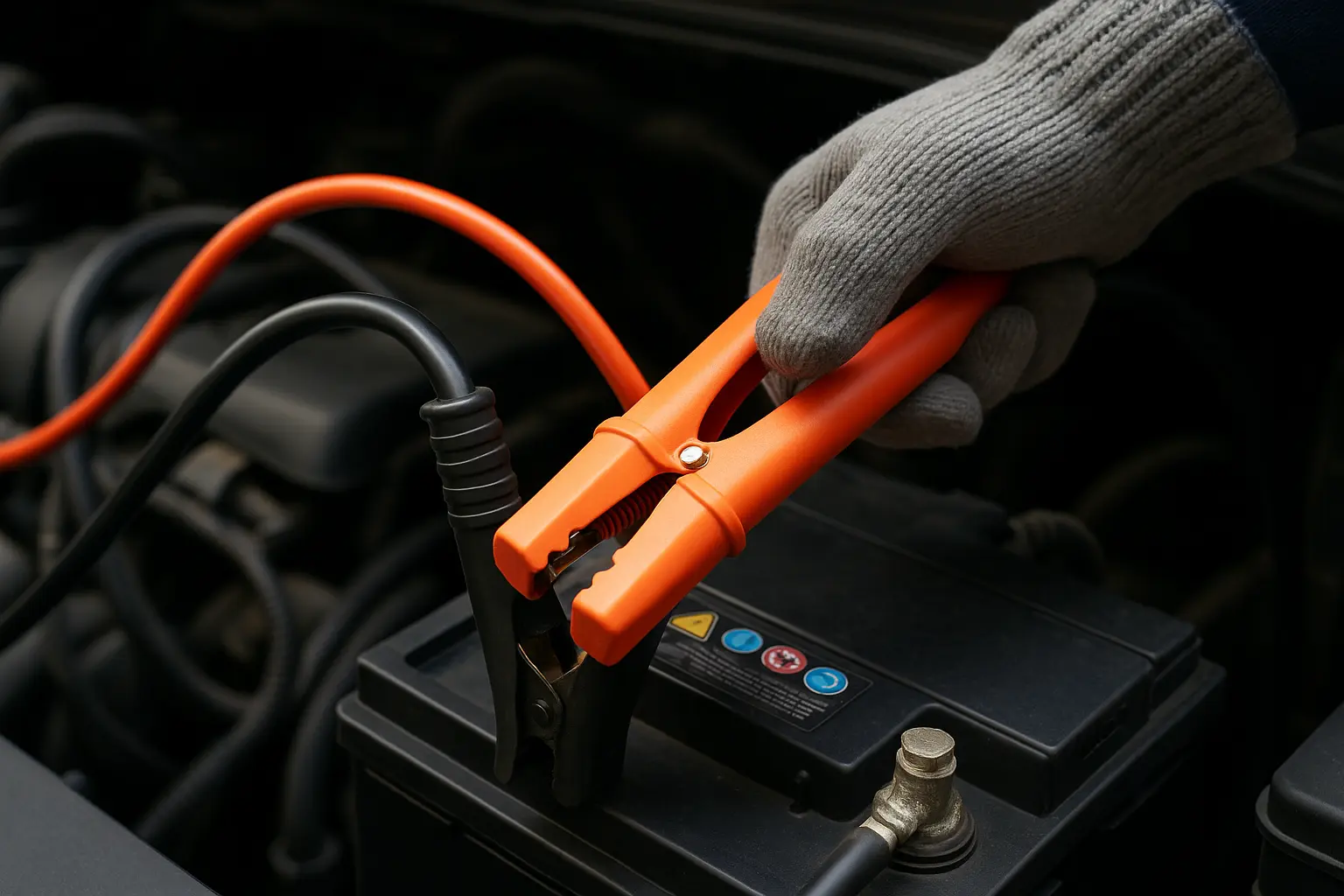
Your car battery serves as the energy hub for your vehicle’s electrical system. It provides the initial jolt needed to start the engine and supports systems such as:
Lighting and infotainment: powering headlights, dashboard screens, and sound systems.
Safety systems: airbags, ABS brakes, and sensors depend on stable voltage.
ECU operation: modern vehicles rely heavily on electronic control units that manage everything from fuel injection to climate control.
Without a healthy battery, even the most advanced car becomes immobilised.
Common Types of Car Batteries in Australia
Choosing the right battery type is key to long-term performance. Let’s explore the most common options found in Australian cars:
Lead-Acid Batteries
The most traditional and affordable type, lead-acid batteries are found in many petrol and diesel cars. They require occasional maintenance, like checking electrolyte levels, and typically last 3 to 5 years under normal conditions.
AGM (Absorbent Glass Mat) Batteries
AGM batteries are more advanced and better suited for vehicles with start-stop systems or higher electrical demands. They are sealed, maintenance-free, and offer superior resistance to vibration and deep discharge.
Gel Batteries
These use a gel-based electrolyte and are ideal for off-road or marine applications. They’re resistant to leakage and can handle extreme heat, which makes them suitable for certain Australian climates.
Lithium-Ion Batteries
Most common in electric and hybrid vehicles, lithium-ion batteries are lightweight and highly efficient. They offer long life cycles but come at a higher cost. Proper charging habits are essential to maximise their longevity.
Factors That Affect Car Battery Life
Car battery life isn’t fixed—it depends on how and where you drive, as well as how you maintain it. Here are the main factors influencing longevity:
Driving Habits
Short trips prevent your battery from fully charging. Frequent short drives or stop-start traffic can cause gradual discharge and sulphation, leading to early failure.
Climate Conditions
Australia’s hot weather can accelerate chemical reactions inside the battery, causing faster evaporation and internal corrosion. Conversely, cold conditions increase resistance, making it harder for batteries to deliver adequate power.
Electrical Load
Modern vehicles are packed with electronics—touchscreens, heated seats, and cameras—all drawing current. High energy consumption places more demand on the battery, shortening its lifespan if not properly maintained.
Vehicle Usage Patterns
Cars that sit unused for long periods often face battery discharge. Even when parked, alarms and onboard computers draw small amounts of power known as parasitic drain.
Essential Car Battery Maintenance Tips
A few simple maintenance practices can significantly extend your car battery’s life. Here’s what every Australian driver should know:
Keep Terminals Clean
Corrosion buildup around terminals is one of the leading causes of poor connectivity. Clean terminals with a mixture of baking soda and water, using a wire brush to remove residue. Apply a thin layer of petroleum jelly afterward to prevent future corrosion.
Check Battery Voltage Regularly
Use a multimeter or voltmeter to check your battery’s health. A fully charged battery should read around 12.6 volts when the engine is off. Anything below 12.2 volts may indicate partial discharge.
Avoid Leaving Electronics On
Leaving headlights, cabin lights, or charging devices on when the engine is off can drain your battery overnight. Always double-check before locking your car.
Secure the Battery Properly
Loose mounting can cause vibration damage, especially on rough Australian roads. Ensure your battery is tightly secured to prevent internal damage.
Maintain Proper Fluid Levels (for Serviceable Batteries)
If you have a non-sealed lead-acid battery, check electrolyte levels monthly. Refill with distilled water only to maintain chemical balance.
Use the Vehicle Regularly
Cars left idle for long periods should be started at least once a week and driven for 15–20 minutes. This helps recharge the battery through the alternator.
Keep It Cool
Whenever possible, park your car in shaded areas or a garage. Heat is a battery’s worst enemy—it speeds up internal corrosion and water loss.
Warning Signs of a Weak or Failing Battery
A dying battery rarely fails overnight—it gives you clues. Watch for these early signs to avoid getting stranded:
Slow engine crank: the starter motor turns slower than usual.
Dim headlights or flickering interior lights: reduced electrical output.
Dashboard warning light: often shaped like a battery symbol.
Clicking sound when starting: insufficient power to engage the starter.
Swollen or leaking battery case: usually caused by overheating.
If you notice one or more of these symptoms, it’s time for a diagnostic test at a reputable workshop.
How to Test Your Car Battery
Regular testing can detect weaknesses early. Here are simple ways to check your battery’s condition:
Using a Voltmeter
Connect the positive (red) probe to the positive terminal and the negative (black) probe to the negative terminal.
12.6V or higher: Fully charged
12.4–12.5V: 75–90% charged
12.2V: Around 50% charged
12.0V or less: Discharged—needs recharging or replacement
Load Testing
A load tester measures voltage under simulated starting conditions. Many workshops perform this test free of charge during routine servicing.
Professional Diagnostic Testing
Modern diagnostic tools can assess battery health, alternator performance, and charging system functionality. This is especially useful before long trips or seasonal changes.
How to Extend Your Car Battery Life
Implementing these proactive habits can help you get the most out of your battery investment:
Drive longer distances regularly to allow the alternator to recharge the battery fully.
Turn off unnecessary accessories (like air-conditioning or heated seats) before starting the car.
Keep terminals tight and corrosion-free.
Use a trickle charger if your vehicle isn’t used for extended periods.
Check alternator performance during routine service intervals.
Following these habits can extend battery life by several months or even years.
When to Replace Your Car Battery
Even the best-maintained batteries wear out over time. Replacement intervals depend on usage, type, and conditions. Generally, you should consider replacing your car battery every 3 to 5 years.
Here are some indicators that replacement is due:
The engine struggles to start despite recent charging.
Battery fluid levels drop rapidly.
The case appears bloated or cracked.
The battery repeatedly loses charge after short drives.
Replacing your battery before complete failure can prevent damage to other components like the alternator or starter motor.
Choosing the Right Replacement Battery
When replacing your car battery, don’t just pick the cheapest option—choose one that matches your car’s requirements.
Check Specifications
Refer to your owner’s manual for details like:
Battery size (group size or case dimensions)
Terminal layout (positive/negative orientation)
Cold cranking amps (CCA)
Reserve capacity (RC)
Match the Battery Type
If your car has a start-stop system, you’ll need an AGM or EFB battery. Using a regular lead-acid battery can lead to premature failure.
Climate Considerations
In northern Australia, choose batteries designed for heat resistance. In colder regions like Tasmania, opt for higher CCA ratings for reliable winter starts.
Reputable Brands
Stick with well-known brands offering warranty coverage and service support. Popular options include Century, Supercharge, Exide, and Bosch, all widely available across Australia.
Battery Maintenance for Electric and Hybrid Vehicles
Electric and hybrid cars have complex battery systems that differ from traditional 12V units. While these batteries require less frequent maintenance, certain practices can help prolong their life:
Avoid frequent deep discharges—keep charge levels between 20% and 80%.
Use recommended charging speeds—fast charging too often can degrade cells.
Park in moderate temperatures—extreme heat or cold reduces efficiency.
Follow manufacturer guidelines for battery service intervals.
Most EVs feature built-in management systems to optimise charging and protect against over-discharge, but driver habits still matter.
Seasonal Car Battery Care in Australia
Australia’s diverse climate means battery care should adapt to the season.
Summer Tips
Park in shade or covered areas.
Check electrolyte levels more frequently.
Inspect terminals for corrosion caused by heat.
Winter Tips
Drive longer to ensure full recharging.
Keep jumper cables or a portable jump starter handy.
Ensure your heater and defroster aren’t drawing excessive power when idling.
Regular checks before temperature extremes can prevent sudden failures.
Eco-Friendly Battery Disposal and Recycling
Car batteries contain hazardous materials such as lead and acid. Never throw them in household bins. Instead, recycle through authorised centres. Most Australian auto parts stores and service centres accept used batteries for proper disposal. Recycling helps recover valuable metals and prevents environmental contamination.
Expert Advice: How to Save on Battery Costs
Battery replacements can cost anywhere from $150 to $400 depending on type and brand. To save money:
Compare prices across local auto shops and online stores.
Trade in your old battery—many suppliers offer discounts for returns.
Schedule replacement during service intervals to reduce labour costs.
Additionally, investing in a battery charger or maintenance kit can pay off long-term by extending lifespan and preventing premature replacement.
Final Thoughts
A reliable car battery is fundamental to your vehicle’s performance and peace of mind. With proper maintenance, timely testing, and responsible replacement, you can maximise its lifespan and avoid costly inconveniences. Whether you’re navigating Melbourne’s city traffic, cruising Sydney’s freeways, or tackling outback adventures, your car’s battery deserves regular attention.
Make battery care part of your routine, just like oil checks and tyre rotations—it’s a small effort that pays off with dependable performance and fewer surprises on the road.

Leave a comment
Your email address will not be published. Required fields are marked *