
For many Australian drivers, petrol cars still represent the perfect blend of reliability, affordability, and performance. Despite the rapid rise of hybrids and EVs, petrol vehicles remain a cornerstone of the Australian market — especially for those who value long-range driving, lower upfront costs, and the ease of refuelling anywhere across the country.
This comprehensive guide explores the best petrol cars in Australia for 2025, diving into everything from small city hatchbacks to family SUVs and performance sedans. We’ll assess fuel efficiency, on-road performance, value for money, and ownership practicality, giving you a clear view of which petrol-powered vehicles deserve your attention this year.
Why Petrol Cars Still Matter in 2025
The automotive industry may be transitioning toward electric mobility, but petrol cars continue to dominate Australian roads. Here’s why:
- Nationwide Accessibility: Australia’s vast network of petrol stations makes long-distance driving stress-free, particularly for regional and outback journeys.
- Lower Upfront Costs: Petrol vehicles are generally cheaper to purchase compared to hybrids and EVs.
- Simpler Maintenance: Fewer complex electrical systems mean lower repair and service costs over time.
- Proven Technology: Petrol engines have evolved over decades, offering reliability, smooth performance, and refined efficiency.
For Australians who drive frequently or live outside major cities, petrol vehicles still represent a practical, value-driven choice.
The Changing Landscape of Petrol Efficiency
Manufacturers have refined petrol engines to meet modern efficiency standards. Technologies like turbocharging, direct injection, and mild hybrid assistance have dramatically improved fuel economy without sacrificing performance.
In 2025, even powerful SUVs and sporty sedans can achieve fuel consumption figures under 7.0L/100km — a feat unimaginable a decade ago.
Let’s break down how leading manufacturers are optimising their petrol line-ups.
Small Cars and Hatchbacks: Efficient and Affordable Everyday Heroes
Small petrol cars remain some of the most popular choices among urban Australians, thanks to their low running costs and nimble handling. Here are standout contenders for 2025.
Mazda 2
A favourite in the compact segment, the Mazda 2 combines style and economy. Its 1.5-litre Skyactiv-G petrol engine returns around 5.0L/100km, and the interior feels premium for its size. With tight steering and Mazda’s well-tuned chassis, it’s ideal for city commutes.
Toyota Corolla
The Corolla remains Australia’s benchmark for reliability and efficiency. The 2.0-litre petrol model offers responsive power, smooth gear shifts, and impressive fuel economy at 6.0L/100km. It’s a perfect mix of practicality, durability, and resale value.
Hyundai i30
A strong value proposition, the i30 hatch provides refined comfort, advanced safety tech, and robust petrol performance. Its 2.0-litre engine delivers a lively 120kW output with a balanced economy figure near 7.0L/100km.
Kia Cerato
Stylish and feature-packed, the Cerato’s 2.0-litre engine offers solid reliability and a smooth ride. It’s ideal for budget-conscious buyers seeking long-term ownership value.
Suzuki Swift
Lightweight and energetic, the Swift’s efficient 1.2-litre petrol engine is perfect for city driving. It sips just 4.8L/100km while offering a playful driving experience.
Sedans: Comfort, Power, and Long-Distance Refinement
While SUVs dominate, sedans continue to attract Australians who appreciate sleek styling and highway comfort. Petrol-powered sedans provide balance — smooth cruising, efficiency, and strong torque.
Toyota Camry (Petrol Version)
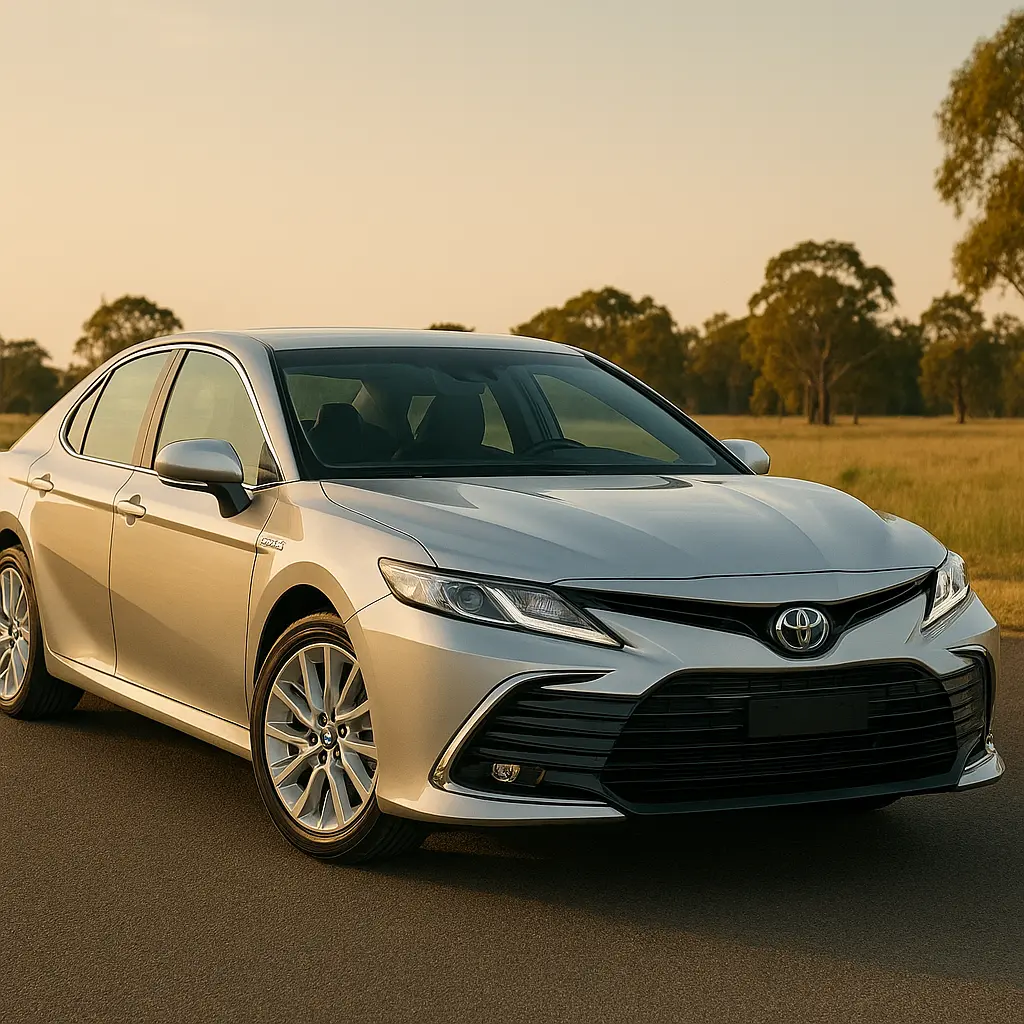
Though best known for its hybrid variant, the petrol Camry remains a strong performer. Its 2.5-litre engine offers 152kW, blending performance with refined fuel use around 7.0L/100km. Spacious, reliable, and equipped with Toyota Safety Sense, it’s a favourite among families and professionals alike.
Mazda 6
Mazda’s elegant mid-sizer combines sporty handling with premium craftsmanship. The 2.5-litre turbo-petrol engine delivers punchy power while maintaining respectable fuel figures. The Mazda 6 is an engaging drive that doesn’t compromise on refinement.
Honda Accord (Petrol Version)
With its advanced 1.5-litre turbo engine, the Accord offers efficiency and smoothness that rivals entry-level luxury sedans. Honda’s impeccable build quality ensures durability across years of ownership.
SUVs: The Best Petrol-Powered Family and Adventure Companions
Australians love SUVs for their versatility, space, and commanding presence — and petrol options remain popular for their easy maintenance and dependable performance.
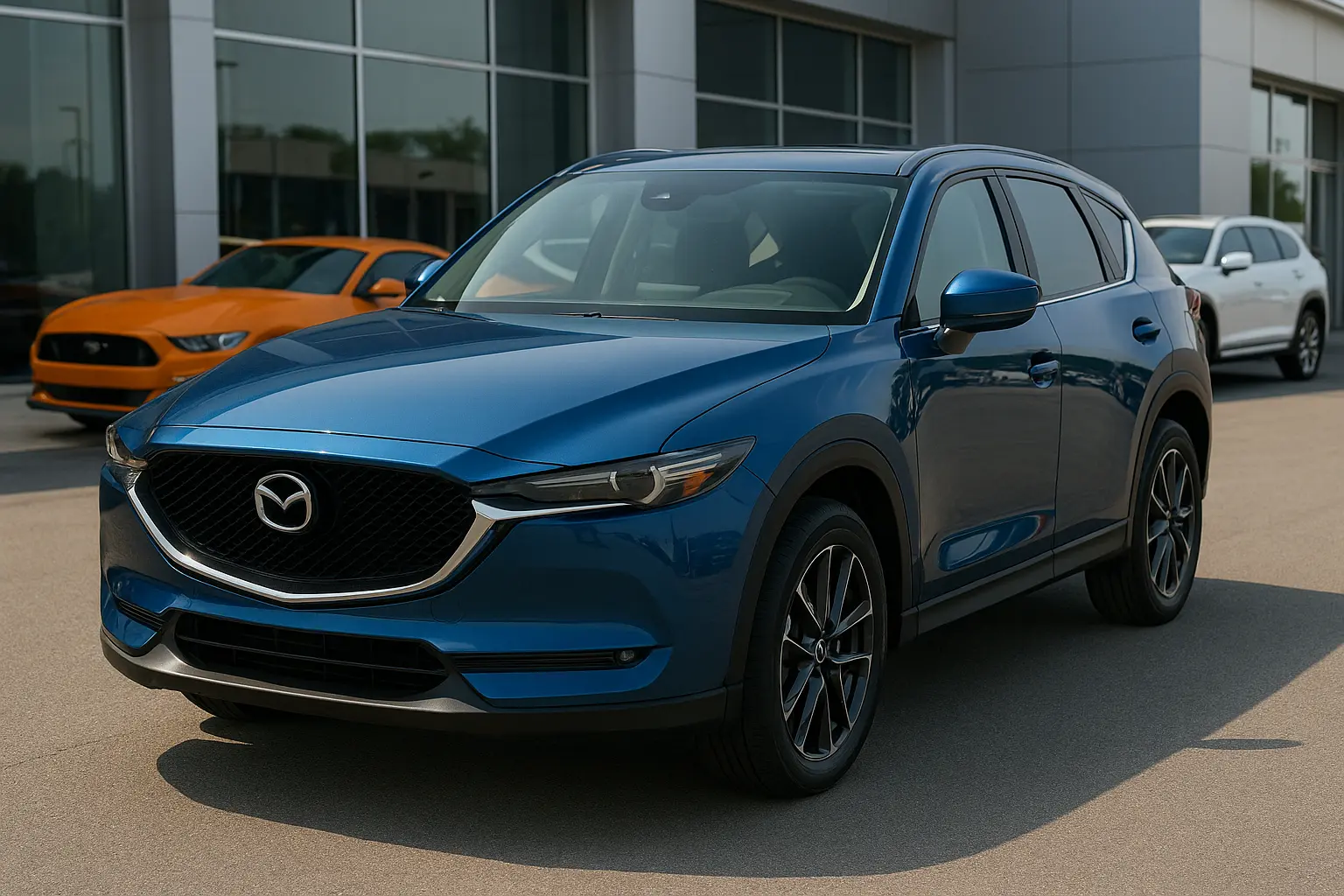
Mazda CX-5
A consistent top-seller, the CX-5’s petrol engines — especially the 2.5-litre turbo variant — deliver a balanced mix of performance and efficiency. Averaging around 7.4L/100km, it offers premium comfort, sharp dynamics, and outstanding safety credentials.
Toyota RAV4 (Petrol)
The petrol RAV4 remains a dependable choice, especially for drivers who prefer simplicity over hybrid systems. The 2.0-litre engine is fuel-efficient and reliable, while the spacious cabin and advanced infotainment make it a family-friendly all-rounder.
Hyundai Tucson
Stylish and smartly equipped, the Tucson petrol offers smooth performance from its 1.6-litre turbo engine. With strong safety ratings and generous tech inclusions, it’s a top contender for value-conscious SUV buyers.
Kia Sportage
Kia’s latest Sportage brings a premium interior and sharp exterior design. The 2.0-litre petrol engine balances efficiency and responsive driving. Combined with Kia’s seven-year warranty, it’s a compelling SUV package.
Mitsubishi Outlander
Featuring an efficient 2.5-litre petrol engine and a spacious, tech-filled cabin, the Outlander provides comfort and reliability for Australian families.
Performance Petrol Cars: Power Meets Precision
Even as EVs dominate the performance conversation, traditional petrol cars continue to excite enthusiasts with their raw power and acoustic appeal.
Subaru WRX
An icon of Australian motoring, the 2025 WRX still captures hearts. Its 2.4-litre turbo engine produces 202kW and 350Nm of torque, paired with Subaru’s legendary AWD grip. Perfect for spirited drives through the twisty hinterlands.
Ford Mustang GT
A timeless muscle car, the Mustang’s 5.0-litre V8 delivers exhilarating acceleration and an unmistakable growl. Despite its power, it offers surprising refinement for long-distance touring.
Hyundai i30 N
The hot hatch that redefined affordable performance. Its 2.0-litre turbo petrol engine pushes 206kW with precision-tuned handling — a true driver’s car for under $60,000.
Toyota GR Yaris
Small but mighty, the GR Yaris proves that compact size doesn’t limit excitement. With rally-inspired engineering and exceptional power-to-weight balance, it’s one of the most engaging petrol cars ever made.
Large and Luxury Petrol Cars: Refinement Meets Power
BMW 3 Series (330i)
The benchmark for executive sedans, the 330i’s 2.0-litre turbo engine provides 190kW of power with seamless delivery. It offers high-end comfort, responsive steering, and dynamic handling.
Audi A4 45 TFSI
Audi’s petrol A4 brings together performance and poise. Its mild-hybrid technology boosts efficiency, while the cabin showcases luxury craftsmanship and tech sophistication.
Mercedes-Benz C300
The C-Class remains synonymous with luxury. The C300’s petrol engine offers smooth acceleration, aided by mild-hybrid efficiency. Ideal for buyers seeking prestige and power without going fully electric.
Fuel Economy Champions: Top Petrol Cars for Efficiency
Petrol cars have evolved to deliver remarkable mileage, often rivaling small hybrids. These models stand out for frugal consumption:
- Toyota Yaris: 4.9L/100km
- Mazda 2: 5.0L/100km
- Suzuki Swift: 4.8L/100km
- Hyundai i30: 6.8L/100km
- Kia Picanto: 5.2L/100km
Each offers an efficient alternative for those who drive daily but want to avoid hybrid or EV price tags.
Value and Ownership Costs
Beyond sticker prices, long-term ownership value defines the true worth of a petrol vehicle. Considerations include:
- Fuel Efficiency: Lower consumption equals greater savings per kilometre.
- Servicing Costs: Petrol cars often cost less to maintain than hybrids or EVs.
- Resale Value: Reliable models from Toyota, Mazda, and Hyundai hold strong resale appeal.
- Warranty Coverage: Brands like Kia and Mitsubishi lead with extended warranties, boosting confidence in petrol ownership.
The Future of Petrol Cars in Australia
While the shift toward electrification continues, petrol cars will remain integral in Australia’s automotive landscape for years to come. Manufacturers are already blending petrol efficiency with new technologies — including mild hybrids and sustainable fuels — ensuring internal combustion engines evolve rather than disappear.
For drivers seeking performance, practicality, and proven dependability, petrol-powered cars in 2025 offer unmatched balance. From compact hatches to thrilling performance sedans, there’s a petrol car for every Australian lifestyle and budget.
Conclusion
Petrol cars continue to represent excellent value, versatility, and driving pleasure in Australia. Whether you’re a first-time buyer, a family upgrading to an SUV, or an enthusiast craving the sound of a well-tuned engine, today’s petrol cars deliver power and efficiency in perfect harmony.
To explore more in-depth car reviews, buying guides, and expert comparisons, visit Carsoop.com.au— your trusted destination for everything automotive in Australia.

Leave a comment
Your email address will not be published. Required fields are marked *