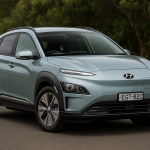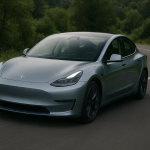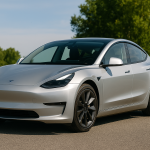

Electric vehicles (EVs) are no longer just futuristic concepts; they’re rapidly becoming mainstream on Australian roads. With government incentives, increasing fuel prices, and a strong push toward cleaner transport, more Australians are making the shift to EV ownership. But with this transition comes an important question: how do you keep your EV charged in the most efficient, affordable, and convenient way?
That’s where EV chargers come in. Whether you’re considering a home wall box for everyday charging, exploring the convenience of public fast chargers, or trying to understand installation costs, this guide will help you make sense of it all. We’ll cover the best EV chargers in Australia, how they work, their charging speeds, installation tips, costs, and what the future holds for EV infrastructure.

Why EV Charging Matters in Australia
Australia is a country known for long drives, vast distances, and a growing love of technology. While EV adoption is increasing, charging convenience remains the biggest concern for many drivers. Petrol stations are on every corner, but EV charging networks are still developing. For daily commuting, a home charger makes sense, but when planning long road trips across states, fast chargers become essential.
By investing in the right charging solution, Australian EV owners can:
- Save money compared to relying solely on public charging.
- Extend battery health by using smart charging features.
- Enjoy the convenience of waking up to a “full tank” every morning.
- Future-proof their home as EV adoption grows.
Types of EV Chargers in Australia
Before diving into the best chargers available, let’s understand the main categories:
Portable Chargers (Level 1)
- Plug directly into a standard 240V power outlet.
- Slow charging speeds: typically 10–15 km of range per hour.
- Useful for emergencies or overnight top-ups.
- Often included with the vehicle purchase.
Home Wall Box Chargers (Level 2)
- Dedicated home charging units installed by a licensed electrician.
- Speeds of 25–40 km of range per hour (7kW to 22kW).
- Can be equipped with smart features like scheduling, solar integration, and usage tracking.
- Ideal for daily charging.
Public DC Fast Chargers (Level 3)
- High-powered chargers at service stations or charging hubs.
- Provide 150–300 km of range in 20–40 minutes.
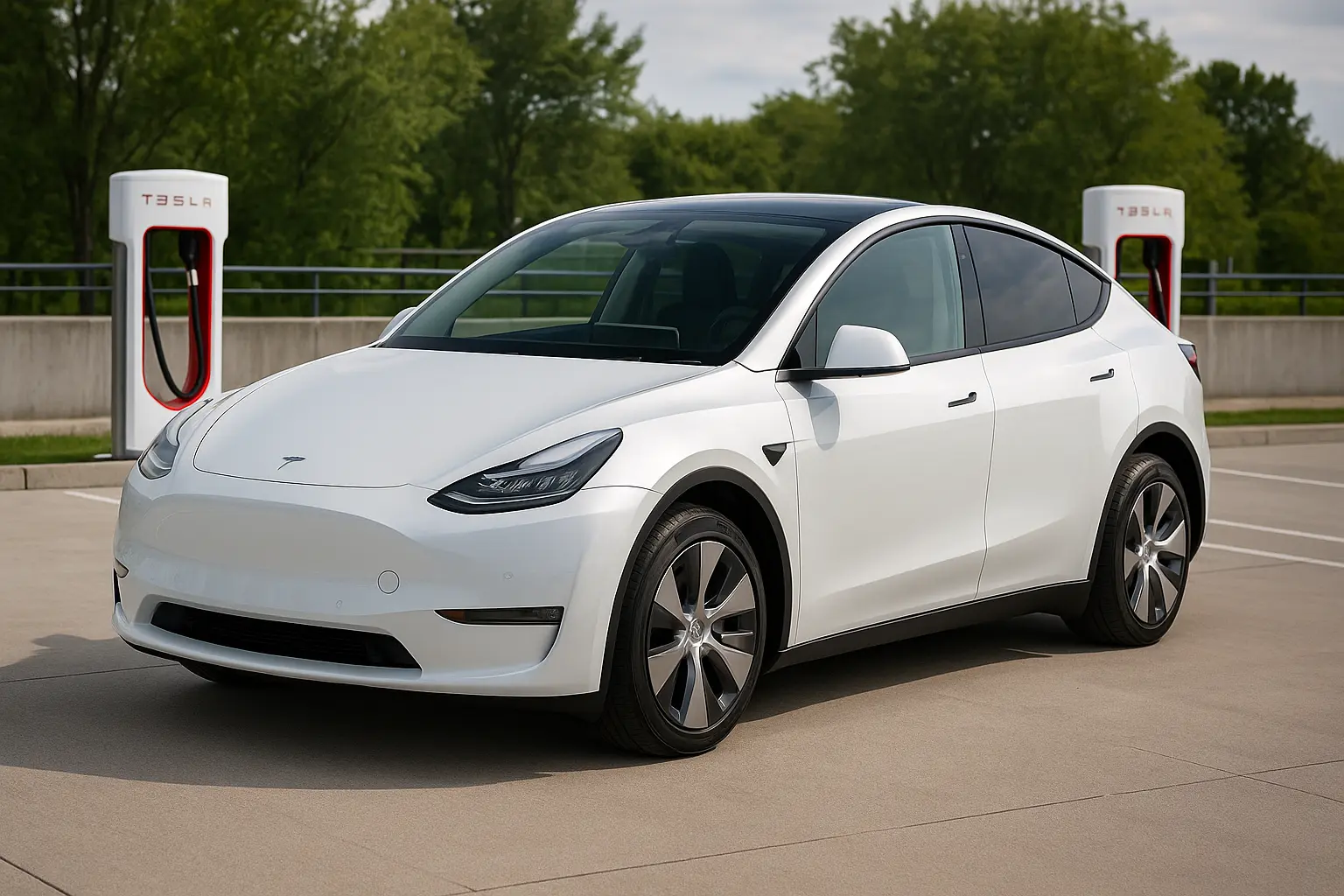
- Operate on networks like Chargefox, Evie, and Tesla Supercharger.
- Not practical for home installation due to cost and power requirements.
Best Home EV Chargers in Australia
Here are the most popular and reliable home chargers Australian EV owners are choosing in 2025:
Tesla Wall Connector
- Power output: Up to 11kW (3-phase).
- Compatibility: Works with Tesla and most other EVs via Type 2 plug.
- Features: Sleek design, Wi-Fi connectivity, load sharing for multiple Teslas.
- Best for: Tesla owners or those wanting a stylish, future-proof unit.
Zappi EV Charger
- Power output: 7kW–22kW.
- Unique feature: Solar integration – lets you charge your EV using excess solar power.
- Best for: Australian households with rooftop solar.
- Bonus: Smart charging app with real-time monitoring.
Wallbox Pulsar Plus
- Power output: 7.4kW–22kW.
- Size: Compact design, app control.
- Features: Bluetooth/Wi-Fi connectivity, scheduled charging.
- Best for: Everyday EV owners who want convenience and smart charging.
EO Mini Pro 3
- Power output: 7kW–22kW.
- Features: Compact size, solar compatibility, smart app integration.
- Best for: Those with limited garage space or needing a discreet charger.
Delta AC Max
- Power output: 7kW–22kW.
- Durability: Built tough for Aussie weather conditions.
- Best for: Outdoor installation or commercial use.
Installation Costs for EV Chargers in Australia
The cost of installing a home charger can vary based on your home’s electrical setup, location, and charger type.
- Basic installation: $800 – $1,500
- Complex installation (long cabling, switchboard upgrades): $1,500 – $3,000
- Three-phase upgrades: $2,500 – $5,000 depending on requirements
Tips to reduce installation costs:
- Plan installation during home renovations to cut wiring costs.
- Opt for a charger compatible with your current setup.
- Apply for state or federal EV incentives (varies by region).
Running Costs of EV Charging
- Home charging with off-peak electricity: ~20–30c per kWh.
- Public fast charging: 40–60c per kWh (some networks higher).
- Solar charging: Essentially free after upfront solar investment.
For an EV like the Tesla Model 3 (60kWh battery):
- Home charging = ~$15 for a full charge.
- Public fast charging = ~$30–35 for a full charge.
Compared to petrol (often $80–120 for a tank), the savings are significant.
Public Charging Networks in Australia
While home charging covers most daily needs, long trips require access to public networks. Major players include:
- Chargefox: Australia’s largest network with ultra-rapid chargers.
- Evie Networks: Expanding fast-charging stations nationwide.
- Tesla Superchargers: Growing availability for Tesla and now open to other EV brands.
- BP Pulse & Ampol AmpCharge: Petrol station giants joining the EV revolution.
Government Support & Incentives
Several Australian states provide rebates and incentives for EV chargers and installations:
- NSW: Rebates up to $3,000 for eligible home chargers.
- VIC: Solar rebate packages that integrate EV charging.
- QLD & SA: Incentives for regional charging network expansion.
It’s worth checking your local government site before purchasing.
Smart Charging: The Future of EV Energy Use
EV chargers aren’t just about plugging in your car; they’re evolving into smart home energy tools. Features include:
- Solar integration: Charge your car with surplus solar energy.
- Load balancing: Avoid tripping circuits by managing home power.
- Scheduled charging: Take advantage of cheaper off-peak rates.
- App tracking: Monitor energy use, charging times, and cost savings.
Future EV chargers will also play a role in Vehicle-to-Grid (V2G) technology, where your car battery can feed power back to the grid during peak demand, potentially earning credits.
Choosing the Right EV Charger in Australia
When deciding on a charger, consider:
- Your driving habits: Daily commuters may only need a 7kW charger, while long-distance drivers benefit from 22kW.
- Solar setup: If you have rooftop solar, go for a charger like Zappi that supports solar integration.
- Future-proofing: If you plan to upgrade to multiple EVs, consider load-sharing capabilities.
- Budget: Balance upfront cost with long-term convenience.
EV Charger Maintenance & Safety
Although EV chargers are generally low maintenance, safety and regular checks are important:
- Have a licensed electrician inspect connections every 1–2 years.
- Ensure cables are stored properly to avoid wear.
- Keep outdoor chargers protected from direct exposure (unless IP-rated).
- Update software/firmware regularly for security and efficiency.
The Road Ahead for EV Charging in Australia
Australia’s EV infrastructure is growing fast, with governments, private companies, and automakers investing heavily. Within the next five years, we can expect:
- More nationwide ultra-rapid chargers along highways.
- Affordable smart chargers integrated with home solar and batteries.
- Increased government subsidies to encourage adoption.
- EV chargers becoming as common as Wi-Fi routers in Aussie homes.
Conclusion
The transition to electric vehicles in Australia is unstoppable, and choosing the right EV charger is one of the most important steps for new owners. With a variety of home chargers available, expanding public networks, and clear cost savings compared to petrol, now is the best time to invest in a reliable charging setup.
Whether you’re a city commuter topping up overnight or a road tripper relying on fast chargers, Australia’s EV charging landscape is ready to support your journey into the electric future.

Leave a comment
Your email address will not be published. Required fields are marked *