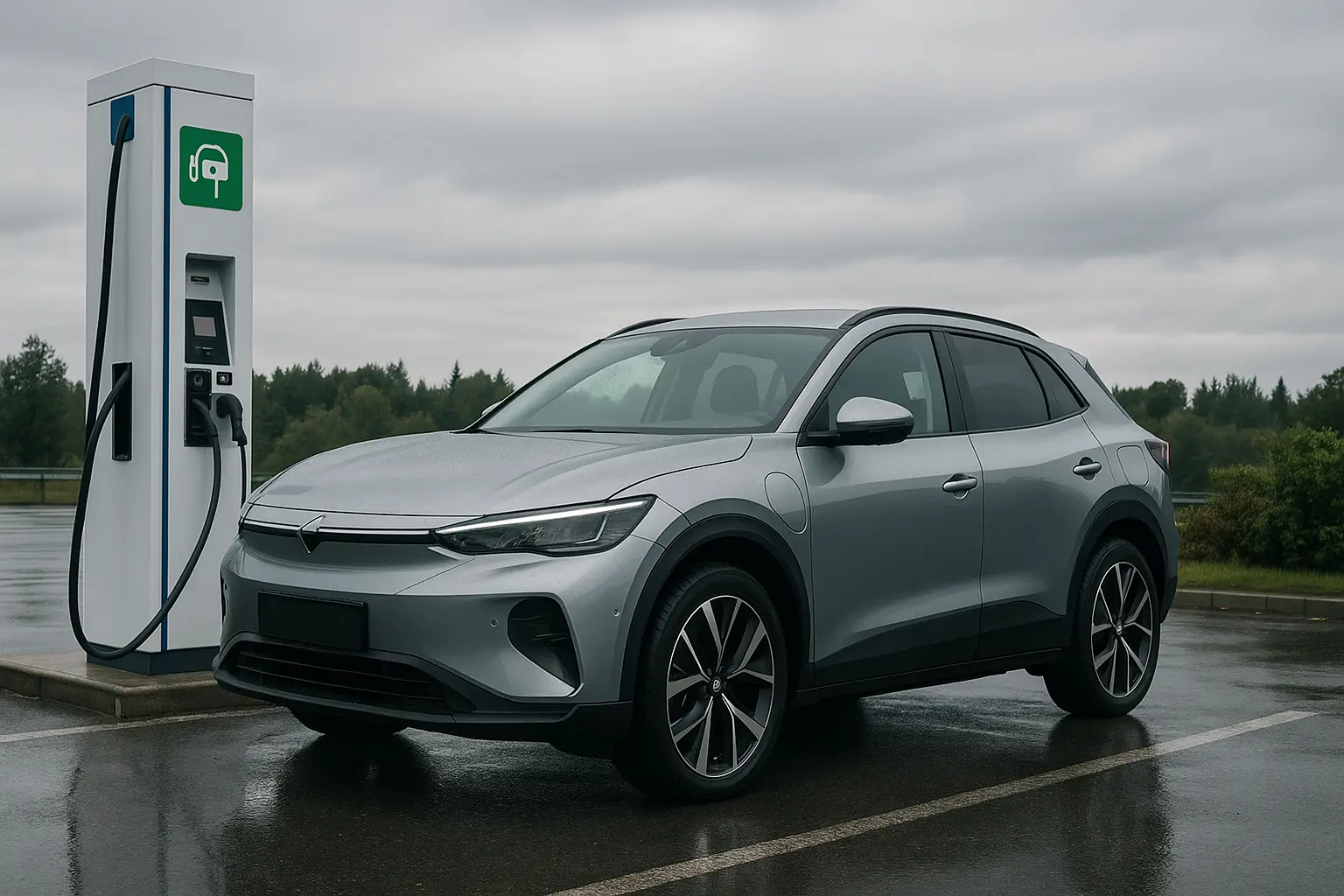
Australia’s electric vehicle (EV) landscape has rapidly evolved over the past few years. Once dominated by petrol and diesel engines, the Australian market is now embracing sustainable mobility like never before. In 2025, buyers have access to a wide range of electric cars that combine impressive range, rapid charging capabilities, premium interiors, and cutting-edge technology.
This detailed guide explores the best electric vehicles in Australia for 2025, covering range performance, charging infrastructure, government incentives, and what’s coming next in EV innovation.
The Rise of Electric Mobility in Australia
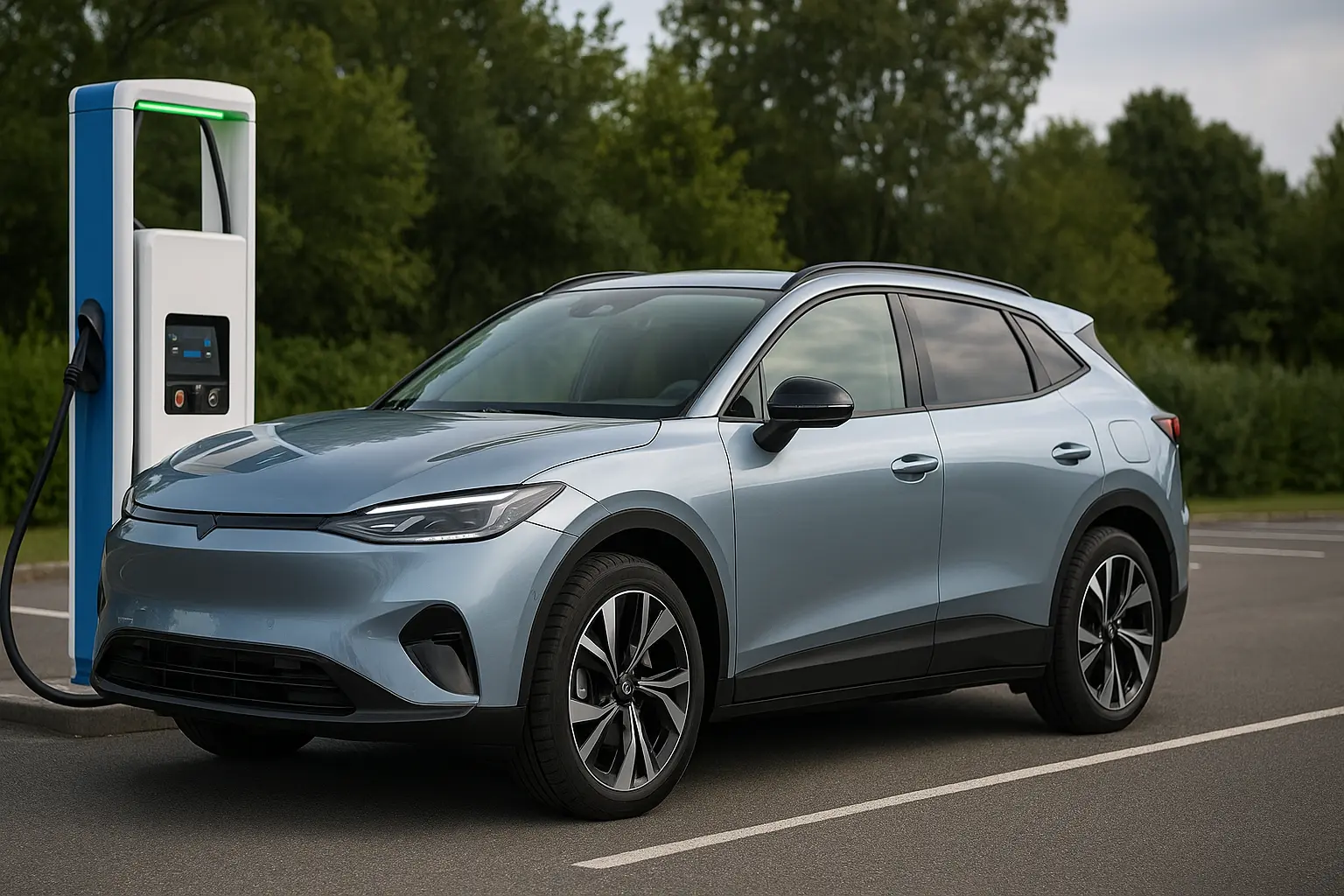
Australia’s EV market has gained serious momentum. In 2024, electric vehicle sales exceeded 10% of all new car sales, a major jump from just 2% a few years ago. The shift is being driven by:
- Rising fuel prices pushing buyers towards cheaper-to-run alternatives.
- Expanding charging infrastructure, both public and private.
- Federal and state government incentives and rebates.
- Wider model availability across all segments—from compact city EVs to rugged off-road SUVs.
In 2025, nearly every major manufacturer offers at least one EV in Australia, with brands like Tesla, BYD, Hyundai, Kia, and Volvo leading the charge.
What Makes a Great Electric Vehicle in 2025?
Choosing the right EV depends on more than just the badge. The best electric cars in Australia today combine range, efficiency, performance, comfort, and charging support.
Key factors to consider include:
Driving Range
Battery technology has come a long way. The latest models offer real-world ranges between 400–650 km, eliminating most “range anxiety” for Australian drivers.
Charging Capability
Fast-charging compatibility is essential. Many new models support ultra-rapid charging (150–350 kW), meaning you can add hundreds of kilometres of range in under 30 minutes.
Efficiency
Battery efficiency determines how far you can travel per kWh. Brands like Tesla, Hyundai, and BYD are setting benchmarks for energy efficiency.
Ownership Cost
EVs are cheaper to maintain thanks to fewer moving parts. There’s no oil change, no exhaust system, and fewer brake replacements due to regenerative braking.
Software and Connectivity
2025 EVs come with over-the-air (OTA) updates, advanced driver-assist features, and seamless smartphone integration.
Top Electric Vehicles in Australia – 2025 Edition
Let’s explore some of the standout electric vehicles making waves across Australia this year.
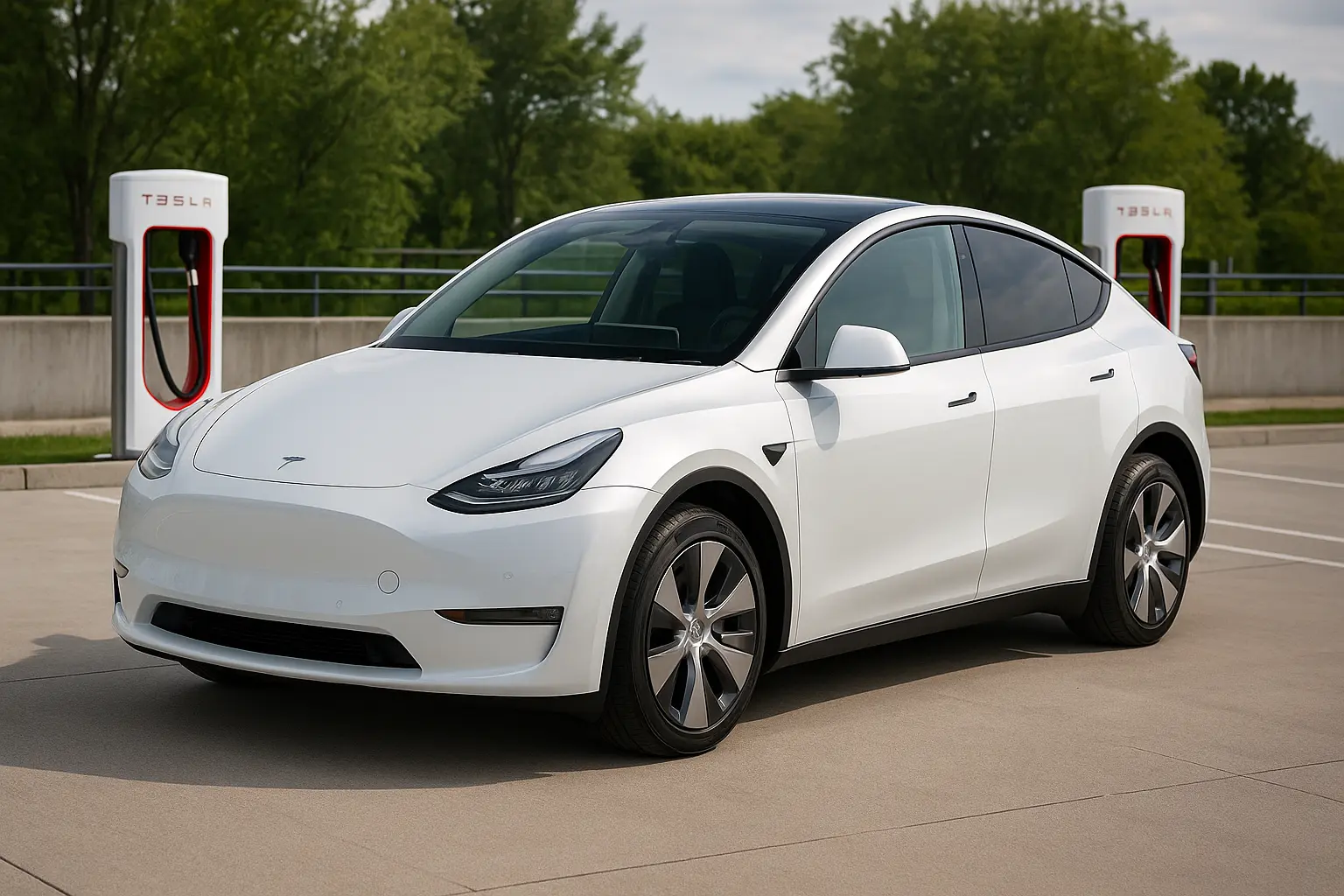
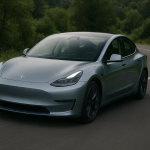
Tesla Model Y – The Benchmark SUV
The Tesla Model Y continues to dominate Australian EV sales in 2025. Known for its cutting-edge software, instant torque, and long range, it remains a top choice for families.
- Range: Up to 533 km (WLTP)
- Charging: 250 kW DC Supercharging network
- Performance: 0–100 km/h in 3.7 seconds (Performance model)
- Highlights: Autopilot, minimalistic cabin, large boot space
Tesla’s widespread Supercharger network gives it an unmatched advantage for long-distance travel across Australia.
BYD Seal – Affordable Luxury Meets Range Efficiency
BYD has made a huge mark in Australia with the Seal, a sleek sedan offering excellent performance at an affordable price.
- Range: 570 km (Extended Range)
- Charging: 150 kW DC fast charging
- Performance: 0–100 km/h in 3.8 seconds (AWD)
- Highlights: Vegan leather, panoramic glass roof, premium sound system
The BYD Seal undercuts many European rivals while offering impressive build quality and features.
Hyundai Ioniq 6 – The Aerodynamic Performer
The Ioniq 6 stands out for its futuristic design and ultra-efficient electric drivetrain.
- Range: 614 km (RWD variant)
- Charging: 800V architecture – 10% to 80% in 18 minutes
- Performance: 239 kW (AWD)
- Highlights: Sleek coupe styling, ambient lighting, advanced safety tech
Hyundai’s 800V E-GMP platform makes charging almost effortless, ideal for long interstate drives.
Kia EV9 – Family SUV with Luxury and Space
The Kia EV9 is redefining family electric SUVs in Australia. This large 7-seater brings together comfort, capability, and futuristic design.
- Range: 505 km
- Charging: 800V fast charging – 20% to 80% in 24 minutes
- Performance: AWD dual motor setup
- Highlights: Three-row seating, sustainable materials, advanced driver-assist systems
With its bold styling and long warranty, the EV9 is perfect for Aussie families who want space without emissions.
Polestar 2 – Scandinavian Simplicity Meets Performance
The Polestar 2, built on Volvo’s platform, blends performance and minimalist design.
- Range: 655 km (Long Range Single Motor)
- Charging: 205 kW DC fast charging
- Performance: 0–100 km/h in 4.2 seconds (Dual Motor)
- Highlights: Android Automotive OS, Google Maps navigation, solid build
Its balance between performance, efficiency, and everyday usability makes it a refined choice for urban commuters.
MG4 Electric – The Budget EV Champion
For buyers seeking affordability without compromise, the MG4 Electric delivers strong value.
- Range: 530 km (Long Range variant)
- Charging: 150 kW DC
- Performance: 0–100 km/h in 6.1 seconds (XPower)
- Highlights: Agile handling, rear-wheel drive, user-friendly tech
The MG4 shows that EV ownership can be attainable for many Australians, combining practicality with modern design.
Volvo EX30 – Compact Yet Premium
Volvo’s EX30 is one of 2025’s most exciting compact EVs. It brings luxury features into a smaller, city-friendly size.
- Range: 480 km
- Charging: 175 kW DC fast charging
- Performance: 0–100 km/h in 3.6 seconds (Twin Motor Performance)
- Highlights: Google-powered infotainment, minimalist interior, advanced safety
It’s an ideal pick for urban professionals seeking a stylish, safe, and sustainable vehicle.
Ford Mustang Mach-E – American Muscle, Electric Style
The Mach-E adds personality to Australia’s EV market. Combining sporty dynamics with practicality, it’s perfect for drivers seeking excitement.
- Range: Up to 600 km
- Charging: 150 kW DC
- Performance: 358 kW (GT)
- Highlights: Sleek design, massive infotainment screen, agile performance
Ford’s commitment to electrification shows in the Mach-E’s quality and tech features.
Nissan Ariya – Refined and Comfortable
The Nissan Ariya offers a calm, luxurious experience with intelligent technology and long-range efficiency.
- Range: 533 km
- Charging: 130 kW DC
- Performance: AWD e-4ORCE system
- Highlights: Elegant design, dual 12.3-inch displays, advanced driver assist
Nissan’s EV experience from the Leaf is evolved here into a full-fledged SUV for the future.
EV Charging in Australia: Infrastructure and Growth
As EV adoption grows, so does Australia’s charging network. The number of public fast-charging locations has more than tripled since 2021, making long-distance electric travel practical.
Types of Charging Stations
- AC Charging (7–22 kW): Ideal for home or workplace charging.
- DC Fast Charging (50–350 kW): Found along highways and shopping centres.
- Ultra-Rapid Charging (350 kW): New standard enabling 200+ km range in under 10 minutes.
Leading Charging Networks in Australia
- Chargefox – The largest public charging network.
- Evie Networks – Expanding across regional highways.
- Tesla Superchargers – Open to non-Tesla vehicles in 2025.
- BP Pulse and Ampol AmpCharge – Growing energy-company-backed networks.
Home Charging Options
Most EV owners charge overnight at home using a wallbox charger (7–11 kW). Installation costs range from $1,000–$2,000, depending on electrical setup.
Government Incentives and Rebates
Incentives vary by state, but they continue to make EV ownership more affordable.
- New South Wales: Up to $3,000 rebate for eligible EVs and stamp duty exemptions.
- Victoria: $3,000 rebate for vehicles under $68,740.
- Queensland: Up to $6,000 rebate for eligible EVs.
- South Australia & ACT: Registration discounts and free public charging credits.
Additionally, no Luxury Car Tax applies to EVs below $89,332, encouraging more premium EV sales.
Future of Electric Vehicles in Australia
By 2030, it’s expected that half of all new car sales in Australia will be electric. Automakers are investing heavily in battery plants, local assembly, and technology innovation.
Emerging trends include:
- Solid-State Batteries: Promising faster charging and longer lifespan.
- Vehicle-to-Grid (V2G): EVs supplying energy back to homes or the grid.
- Cheaper EV Models: Entry-level EVs below $40,000 expected by 2026.
- Sustainable Manufacturing: Greater use of recycled materials and eco-friendly factories.
Choosing the Right EV for Your Needs
Each driver’s priorities differ, so here’s how to choose the best electric vehicle for your lifestyle:
- Urban Commuter: MG4, BYD Dolphin, or Volvo EX30 for compact efficiency.
- Family Buyers: Tesla Model Y, Kia EV9, or Nissan Ariya for space and comfort.
- Long-Distance Drivers: Hyundai Ioniq 6 or Polestar 2 for top-tier range.
- Performance Enthusiasts: BYD Seal AWD or Mustang Mach-E GT for thrill and power.
Always test drive, compare real-world range, and consider the charging network near you before deciding.
Maintenance and Ownership Benefits
EVs require less maintenance compared to petrol cars:
- No oil or filter changes
- Fewer moving parts mean reduced mechanical wear
- Regenerative braking extends brake life
- Battery warranties (typically 8 years or 160,000 km) offer peace of mind
Moreover, charging at home can cost as little as $10–$15 per full charge, significantly cheaper than refuelling with petrol.
Final Thoughts
The best electric vehicles in Australia for 2025 prove that the future of motoring is efficient, sustainable, and enjoyable. Whether you want luxury, affordability, or long-distance capability, there’s now an EV for every type of Australian driver.
With improved range, expanding charging infrastructure, and falling prices, 2025 marks the tipping point where electric vehicles become the new normal on Aussie roads.
If you’re ready to make the switch, 2025 offers the best time yet to go electric.

Leave a comment
Your email address will not be published. Required fields are marked *