Compact SUVs have become Australia’s go-to vehicle choice — bridging the gap between the practicality of a large SUV and the easy manoeuvrability of a hatchback. As 2025 rolls in, the compact SUV segment is more exciting than ever, blending style, performance, and advanced efficiency. Whether you’re a first-time buyer, a small family, or a professional seeking versatility, there’s a model that fits perfectly into your Aussie lifestyle.
This comprehensive guide breaks down the best compact SUVs in Australia for 2025, focusing on affordability, design, comfort, and fuel efficiency. Let’s explore what makes them shine on Australian roads.
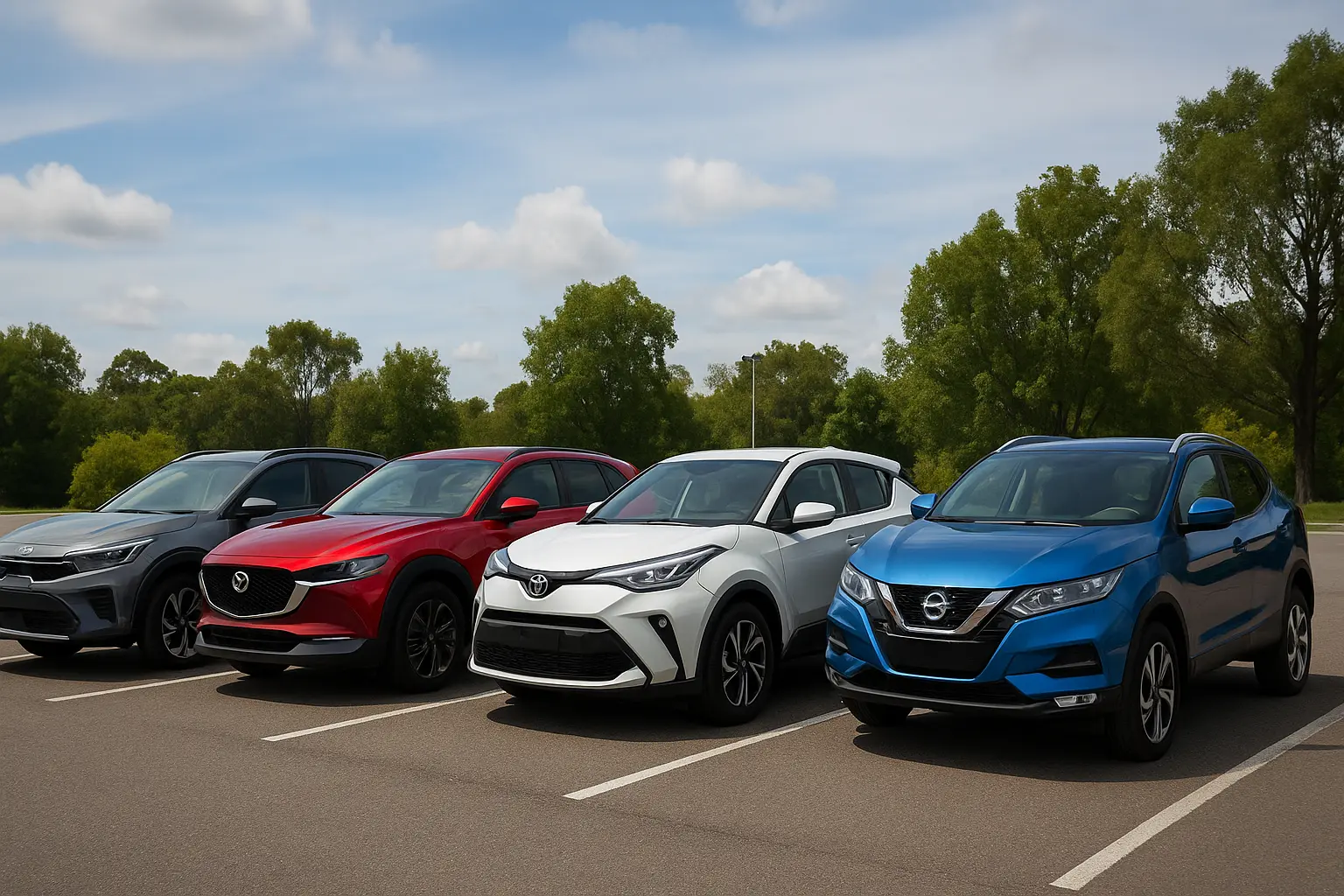
The Rise of Compact SUVs in Australia
Compact SUVs have surged in popularity because they deliver the sweet spot between practicality and price. They offer:
- Higher driving position for better visibility on city and highway routes.
- Fuel efficiency closer to hatchbacks.
- Compact size for easier parking and manoeuvring in urban areas.
- Smart tech and safety features once reserved for luxury vehicles.
Australian buyers love versatility — and that’s exactly what these vehicles offer. Brands like Toyota, Mazda, Kia, Hyundai, and Subaru are continuously refining their compact SUV lineups, ensuring you get the best balance between comfort and capability.
Key Buying Factors for Compact SUVs
Before diving into the top models, let’s look at what you should consider when choosing the right compact SUV for 2025.
1. Fuel Efficiency
As petrol prices continue to fluctuate, efficient engines — including hybrids — are a major selling point. Many new compact SUVs now achieve below 6L/100km, while hybrid and mild-hybrid options can go even lower.
2. Interior Space
Compact SUVs might be smaller, but manufacturers are getting creative with interior packaging. Look for clever boot space, split-fold rear seats, and ample legroom.
3. Technology & Connectivity
From Apple CarPlay and Android Auto to digital dashboards and adaptive cruise control, tech integration is key in this segment.
4. Safety Ratings
Always check for a 5-star ANCAP rating, especially if you’re using the SUV as a family car. Features like lane-keep assist, blind-spot monitoring, and autonomous emergency braking are now standard in many models.
5. Price and Running Costs
Australia’s compact SUV market offers solid value between $30,000 and $45,000 drive-away. Factor in servicing intervals, fuel type, and warranty coverage for long-term savings.
Top Compact SUVs in Australia 2025
Below is a curated list of standout compact SUVs available or upcoming in 2025. Each one is evaluated for design, efficiency, and all-round performance.
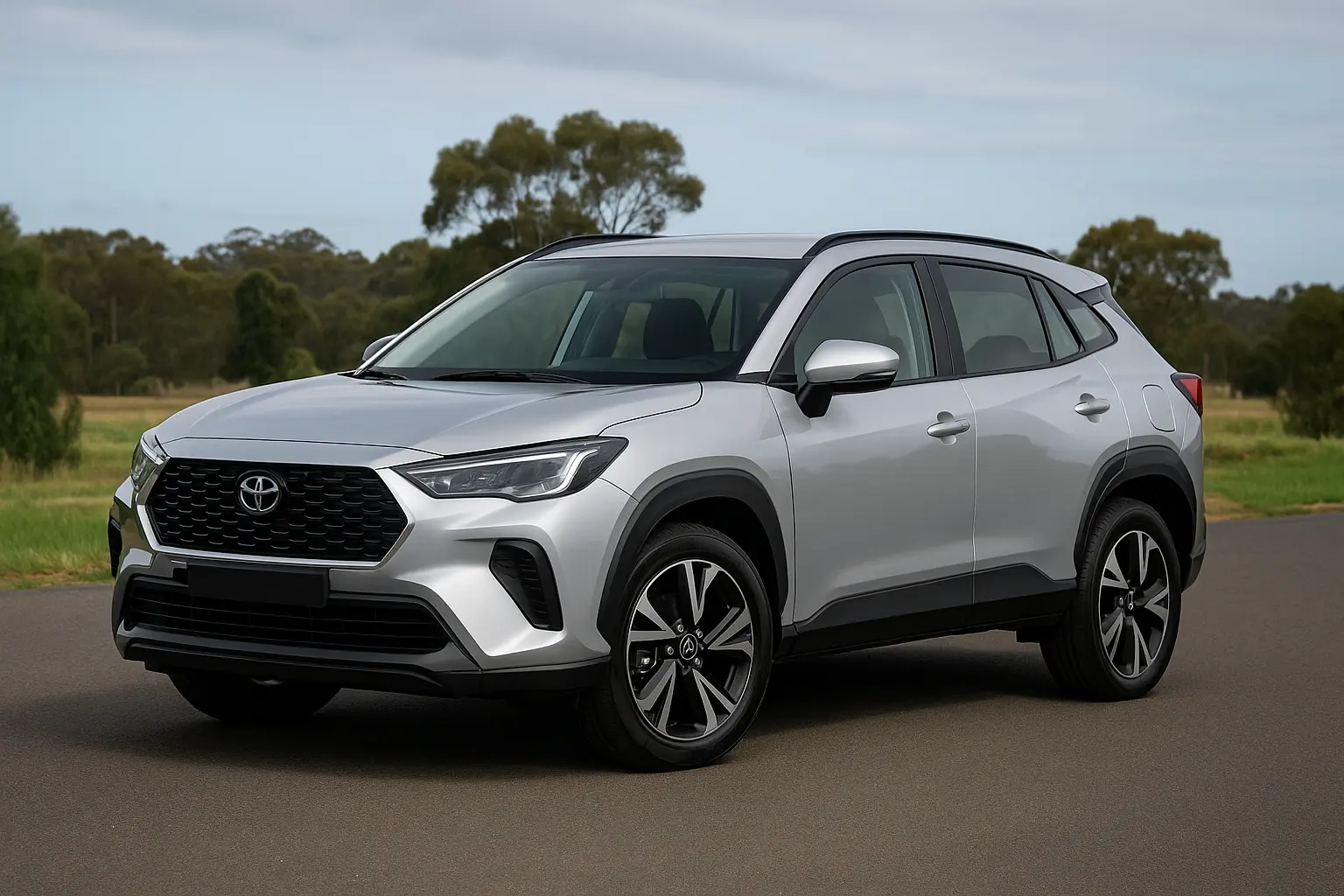
Toyota Corolla Cross
The Toyota Corolla Cross continues to dominate the Australian compact SUV space in 2025. Building on Toyota’s hybrid success, it’s an ideal option for city commuters and eco-conscious buyers alike.
Highlights:
- Engine Options: 2.0L petrol or 1.8L hybrid
- Fuel Economy: 4.3–6.0L/100km (hybrid vs petrol)
- Safety: 5-star ANCAP with Toyota Safety Sense
- Interior: Spacious cabin with high-quality finishes
- Tech: Wireless smartphone connectivity and digital cluster
Why It Stands Out:
The Corolla Cross offers unbeatable reliability and low running costs. It’s perfect for buyers who want hybrid efficiency without compromising on practicality.
Mazda CX-30
Mazda’s CX-30 has carved a niche for itself as one of the most premium compact SUVs without the premium badge. With beautiful design, sharp handling, and superior cabin quality, it feels more upmarket than its price suggests.
Highlights:
- Engine Options: 2.0L or 2.5L petrol; mild hybrid available
- Fuel Economy: 6.3–6.9L/100km
- Driving Experience: Dynamic handling with G-Vectoring Control Plus
- Interior: Near-luxury quality with minimalistic design
- Warranty: 5 years/unlimited km
Why It Stands Out:
The CX-30 blends elegance with driver engagement. It’s a great pick for those who want refinement and fun behind the wheel.
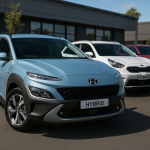
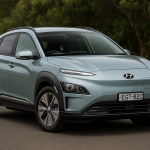
Hyundai Kona (2025)
Completely redesigned for 2025, the Hyundai Kona brings a futuristic look and loads of tech upgrades. With petrol, hybrid, and electric options, it caters to every type of Aussie driver.
Highlights:
- Engine Options: 2.0L petrol, hybrid, and EV (up to 505 km range)
- Fuel Economy (Hybrid): 4.8L/100km
- Interior: Dual 12.3-inch displays and ambient lighting
- Safety: Enhanced Hyundai SmartSense suite
Why It Stands Out:
Few SUVs offer such variety in powertrains. Whether you prefer fuel-saving hybrids or zero-emission EVs, the Kona line-up covers it all with flair.
Kia Seltos
The Kia Seltos remains a favourite among small families and first-time buyers in Australia. It’s practical, well-equipped, and stylish, offering strong value for money.
Highlights:
- Engine Options: 2.0L petrol or 1.6L turbo AWD
- Fuel Economy: 6.9L/100km
- Cabin: Excellent space and boot capacity (433L)
- Infotainment: 10.25-inch touchscreen with navigation
- Warranty: 7 years/unlimited km
Why It Stands Out:
Kia’s warranty and reliability reputation make the Seltos a safe bet for long-term ownership. It’s great for urban users who value space and tech.
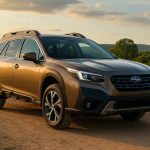
Subaru Crosstrek
Replacing the popular XV, the Crosstrek continues Subaru’s all-wheel-drive tradition in a compact, adventure-ready form.
Highlights:
- Engine: 2.0L Boxer petrol with AWD
- Fuel Economy: 7.2L/100km
- Interior: High-quality materials with supportive seating
- Safety: EyeSight driver assist tech
Why It Stands Out:
Few compact SUVs come standard with AWD across the range. It’s ideal for weekend explorers who occasionally venture beyond the bitumen.
MG ZST
MG has proven it’s not just about affordability — the ZST delivers style, comfort, and surprising quality for its price tag.
Highlights:
- Engine: 1.3L turbo petrol
- Fuel Economy: 6.9L/100km
- Interior: Leather trim and panoramic sunroof (on Essence trim)
- Technology: 360° camera, digital driver display
Why It Stands Out:
With drive-away pricing starting under $30K, the ZST is among the most budget-friendly SUVs that doesn’t feel cheap.
Honda HR-V
Honda’s HR-V blends design finesse with clever space utilisation. Its “Magic Seats” remain unmatched in versatility.
Highlights:
- Engine Options: 1.5L petrol or hybrid
- Fuel Economy (Hybrid): 4.3L/100km
- Interior: Premium finishes and minimalist layout
- Warranty: 5 years/unlimited km
Why It Stands Out:
Ideal for city dwellers, the HR-V’s flexible cabin layout is a lifesaver for carrying sports gear, luggage, or furniture.
Nissan Qashqai
Now better than ever, the Nissan Qashqai combines elegant design with high-end features that rival premium brands.
Highlights:
- Engine: 1.3L turbo mild-hybrid
- Fuel Economy: 6.1L/100km
- Safety: ProPILOT driver assistance suite
- Interior: Dual 12.3-inch screens and Bose audio
Why It Stands Out:
The Qashqai feels like a mini-luxury SUV without the premium price. It’s quiet, efficient, and refined.
Volkswagen T-Roc
Volkswagen’s T-Roc brings European flair with a sporty edge. Its sharp handling and robust build make it a driver’s favourite.
Highlights:
- Engine Options: 1.4L turbo or 2.0L turbo (R-Line)
- Fuel Economy: 6.2–7.3L/100km
- Interior: Premium soft-touch materials
- Infotainment: 8-inch touchscreen with digital cockpit
Why It Stands Out:
For buyers who love precision engineering and solid feel, the T-Roc delivers German quality at a manageable price.
Mitsubishi ASX
The ASX remains a consistent seller in Australia due to its affordability and proven reliability.
Highlights:
- Engine: 2.0L petrol
- Fuel Economy: 7.7L/100km
- Interior: Simple but comfortable
- Warranty: 10 years/200,000 km (conditional)
Why It Stands Out:
While it’s not the newest design, its low maintenance costs and dependable performance keep it relevant in 2025.
Top Hybrid and Electric Compact SUVs
As Australia’s charging network expands, hybrid and electric options are becoming more practical. Here are standout choices for greener drivers:
- Toyota Corolla Cross Hybrid: Benchmark for hybrid efficiency.
- Hyundai Kona Electric: 500+ km range and ultra-modern design.
- Mazda CX-30 M Hybrid: Mild hybrid tech for improved economy.
- Honda HR-V e:HEV: Refined hybrid system ideal for urban driving.
Fuel Efficiency Champions (Real-World Data)
| Model | Type | Fuel Efficiency (Combined) |
|---|---|---|
| Toyota Corolla Cross Hybrid | Hybrid | 4.3L/100km |
| Honda HR-V e:HEV | Hybrid | 4.3L/100km |
| Hyundai Kona Hybrid | Hybrid | 4.8L/100km |
| Nissan Qashqai | Mild Hybrid | 6.1L/100km |
| Mazda CX-30 | Petrol | 6.3L/100km |
Which Compact SUV Suits You Best?
- City Drivers: Go for hybrid or small petrol options like the Corolla Cross or HR-V.
- Small Families: The Kia Seltos or Mazda CX-30 provide comfort and space.
- Weekend Explorers: Subaru’s Crosstrek offers AWD and rugged reliability.
- Budget-Conscious Buyers:MG ZST and Mitsubishi ASX offer unbeatable value.
- Tech Enthusiasts: Choose Hyundai Kona or Nissan Qashqai for their next-gen interiors.
Ownership and Running Costs
Running costs are often overlooked but play a vital role in long-term ownership satisfaction.
Warranty and Servicing
Most brands now offer 5- to 7-year warranties, with some (like Kia and Mitsubishi) going up to 10 years. Regular service intervals are typically every 12 months or 15,000 km.
Insurance
Compact SUVs attract reasonable insurance premiums, particularly for models with strong safety ratings.
Resale Value
Toyota, Mazda, and Subaru hold the highest resale values, thanks to reliability and brand reputation.
Final Thoughts
The compact SUV market in Australia for 2025 is more competitive and diverse than ever. Whether you’re prioritising style, efficiency, or technology, there’s a vehicle that fits your lifestyle perfectly.
From the dependable Toyota Corolla Cross to the futuristic Hyundai Kona, today’s compact SUVs deliver exceptional value, safety, and innovation.
When choosing your next small SUV, think beyond price — consider how you’ll use it, the efficiency you need, and the features that matter most. That’s how you’ll find the perfect blend of affordability, style, and performance for Australian roads.

Leave a comment
Your email address will not be published. Required fields are marked *